





Health Check
Health Checks at TerryWhite Chemmart
Be on the right track with your health. Your TerryWhite Chemmart Pharmacist can facilitate a few simple tests, to assess your overall health and well-being, including:
- Weight
- Waist and BMI
- Blood pressure
- Cholesterol
- Random glucose levels
- Smoking status
- Diabetes risk assessment
- Cardiovascular disease risk assessment
Want even more detail? Ask your Pharmacist about adding on vitamin D and iron deficiency tests.
Staying on top of your weight and seeing the early warning signs is not always easy. At TerryWhite Chemmart we’ve developed a simple way for you to get a snapshot of your health.
Explore health check topics below


Healthy Weight
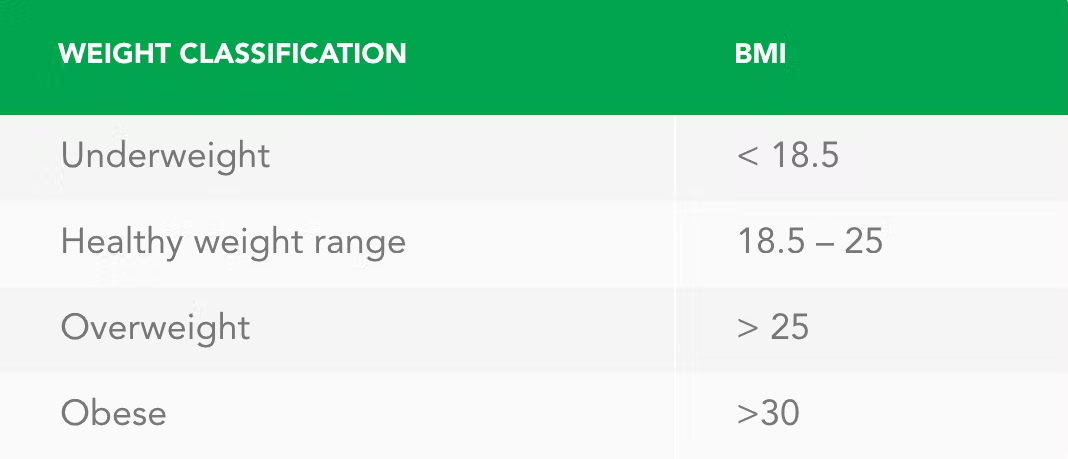
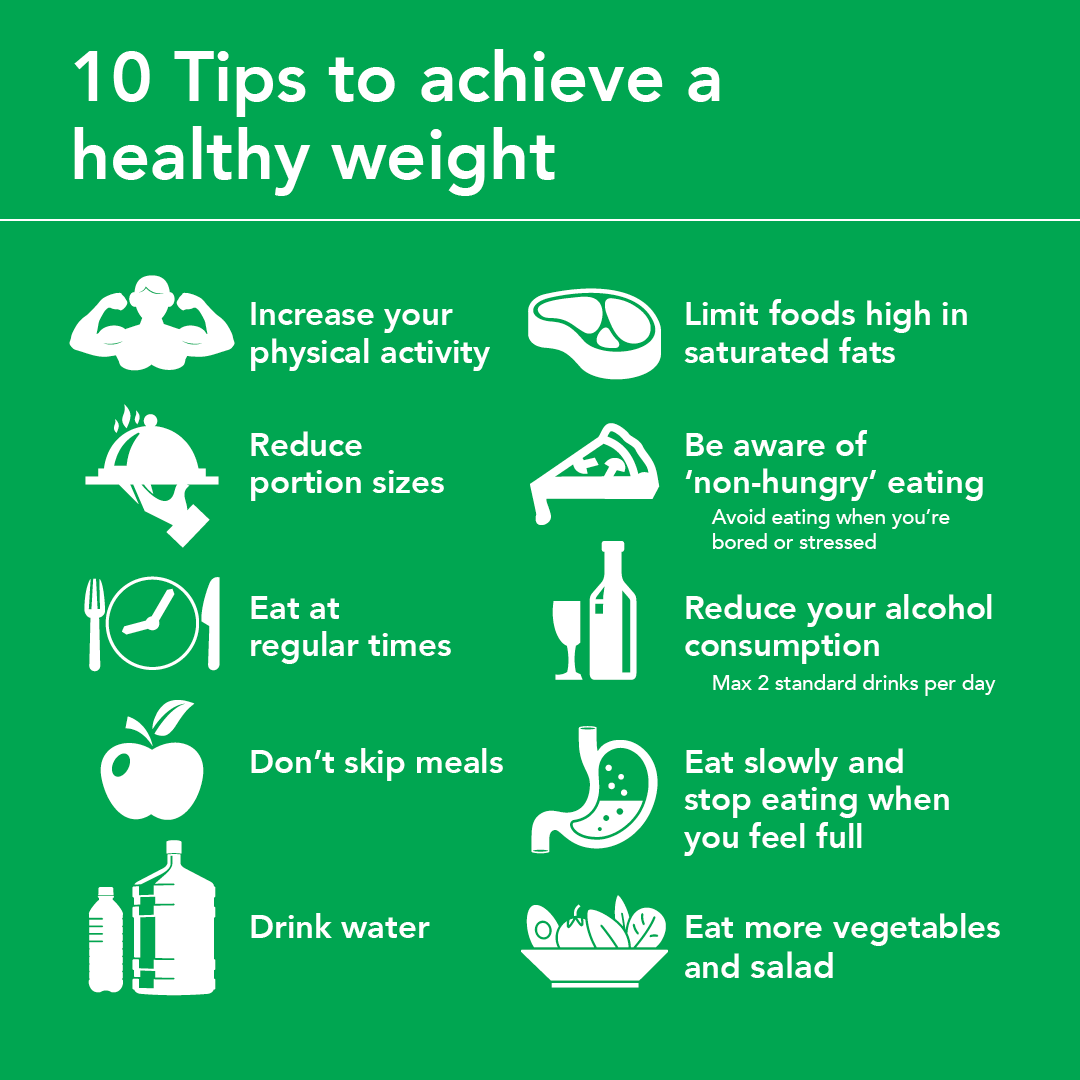
Being overweight or obese and carrying excessive weight around the waist are risk factors for heart and blood vessel disease and diabetes, as well as other health conditions.
During the Health Check, we will check your health by looking at two measures: Body Mass Index (BMI) and your waist circumference. Whilst BMI is a useful way to measure your height and weight ratio, waist circumference is often the preferred measurement for identifying a person’s risk of developing a chronic disease.

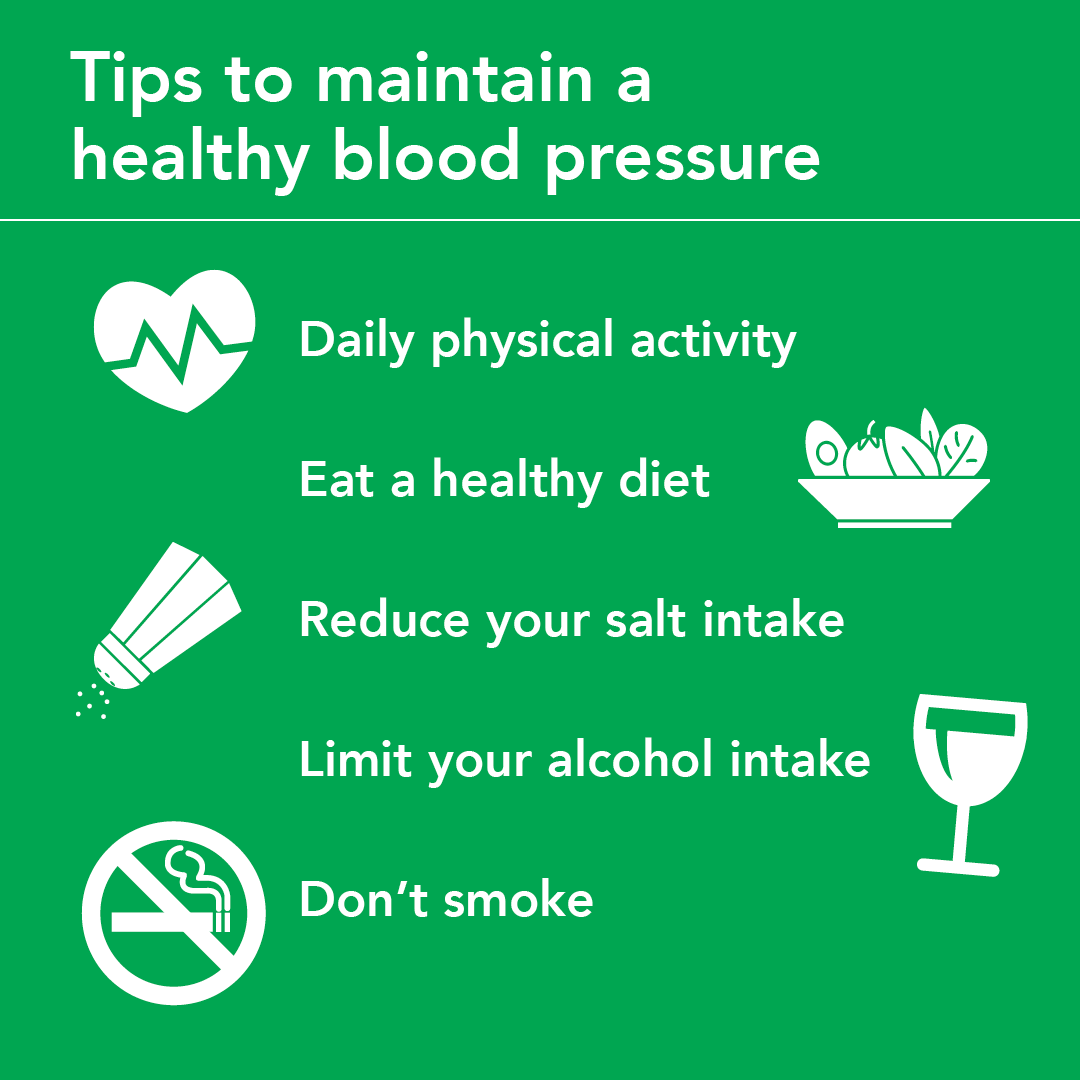
Blood Pressure
Blood pressure is the force of the blood in the arteries as the heart pumps it around the body and is measured as two numbers, e.g. 120/80.
The first number is the systolic measure. It records the pressure in your arteries as blood is pumped out of the heart as it contracts. The lower number is the diastolic measure, which records the pressure of the blood flow as your heart relaxes between beats.
High blood pressure damages the arteries, as your heart has to work harder to pump blood around the body, increasing your risk of a heart attack, stroke and developing eye and kidney problems.
The risk of developing problems linked to high blood pressure increases for people who have diabetes, are smokers, are overweight or have high blood cholesterol.
Your ideal blood pressure will be determined by your doctor, who will also take into account any other risk factors.

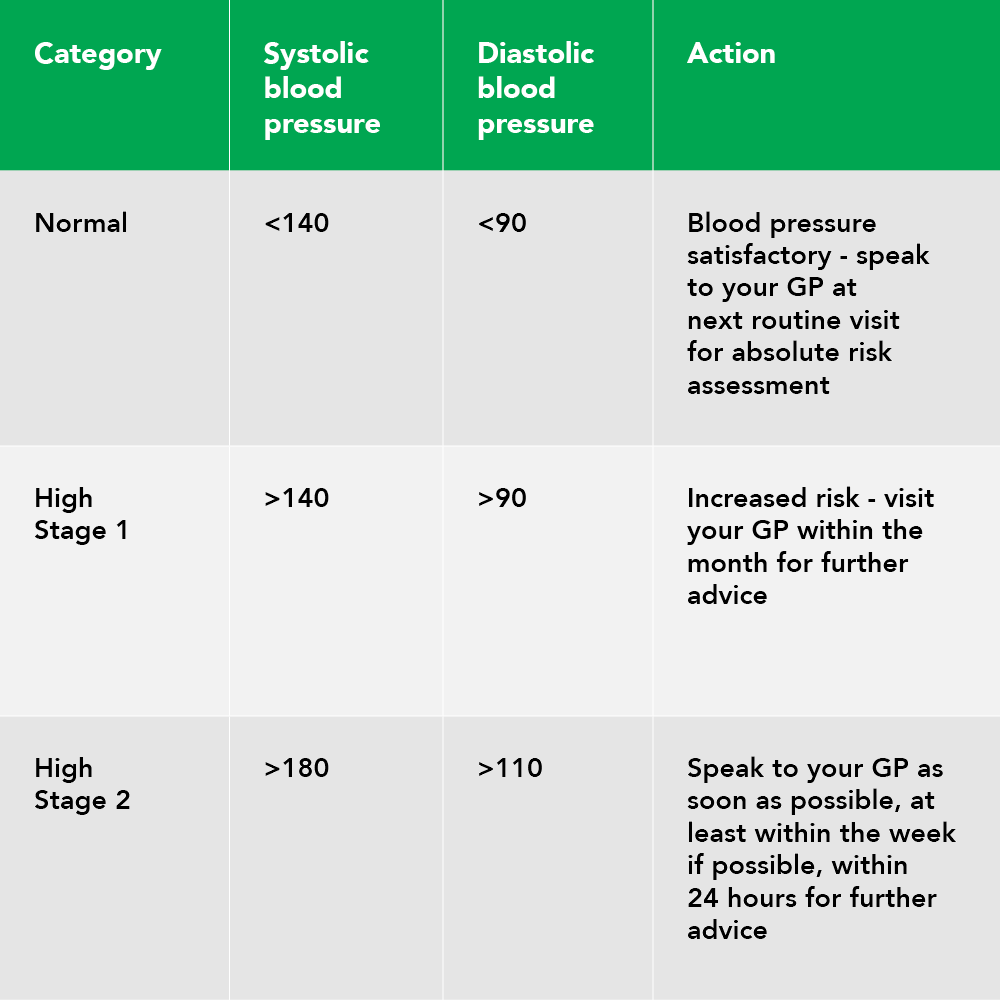
The risk ratings stated in the table above are only indicative and may not reflect your personal circumstance. If you received a result outside the normal or healthy category, please consult your medical practitioner.


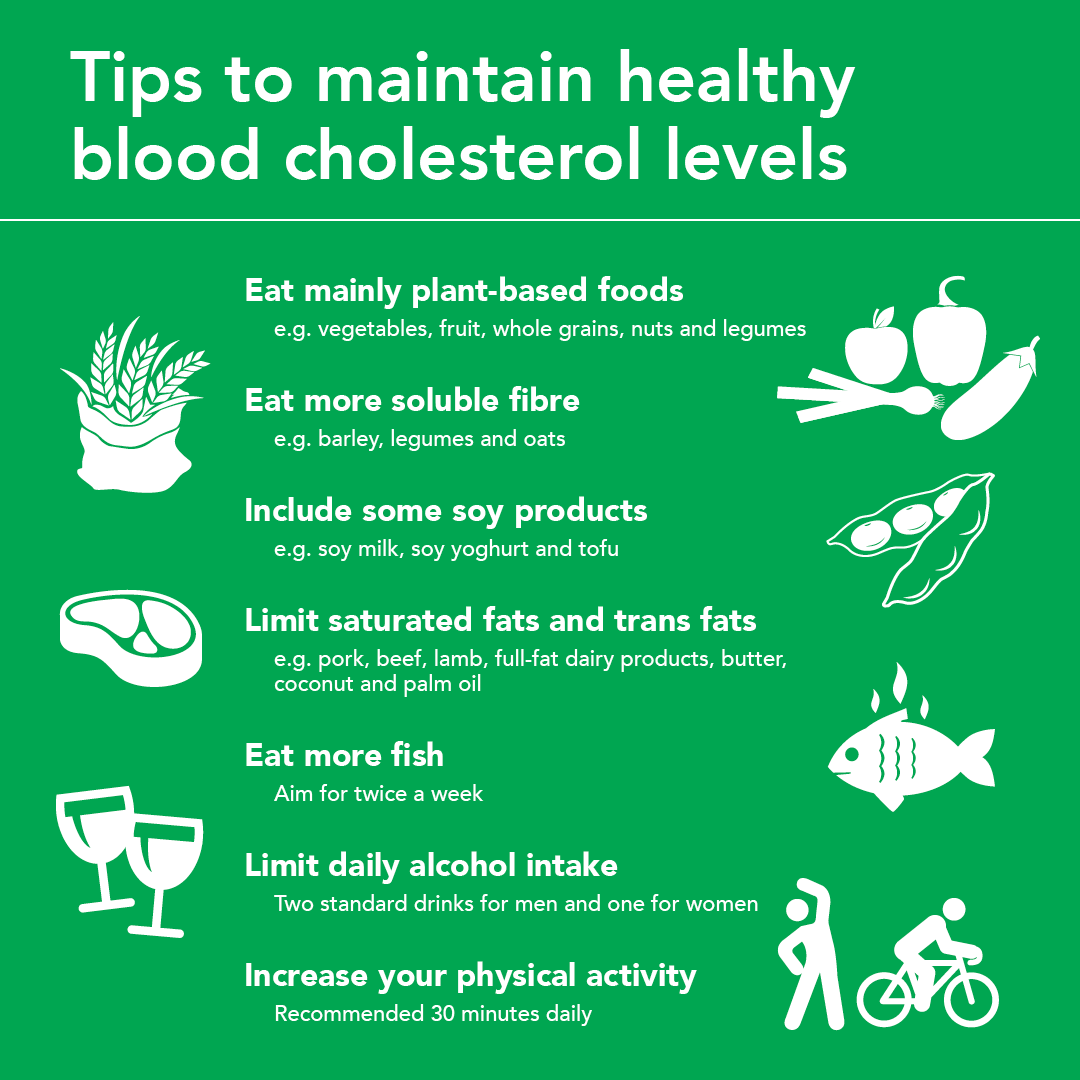
Cholesterol
Cholesterol is a fatty substance that you need for the normal functioning of the body’s cells, however, it can become a problem if there is too much in the bloodstream. There are two types of cholesterol.
High-density lipoproteins or HDL
It is also known as a 'good’ cholesterol as it helps to clear cholesterol build-up from your artery walls and protects against heart and blood vessel disease.
Low-density lipoproteins or LDL
It is also known as a ‘bad’ cholesterol because it clogs and narrows your arteries. High LDL cholesterol is a major risk factor for heart and blood vessel disease.
Your ideal cholesterol level will be determined by your doctor who will take into account any other risk factors.

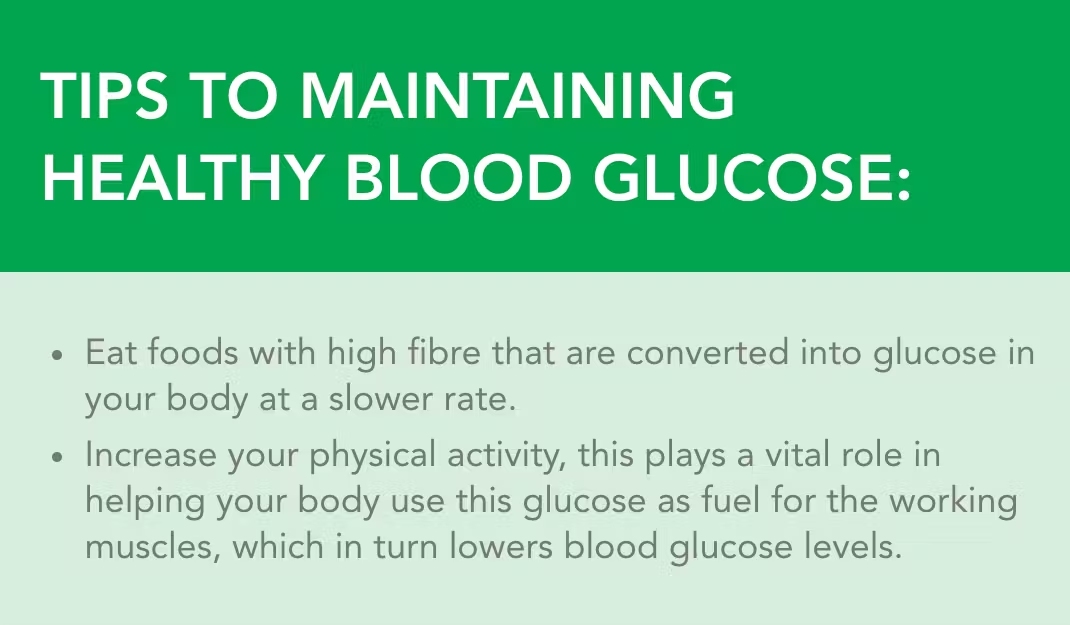
Blood Glucose
Glucose is a form of sugar and comes from the foods you eat. It is the body’s primary energy source and fuels every cell, including those in the brain, heart and muscles. The body works continuously to keep the amount of blood glucose at optimum levels. It produces a hormone called insulin to achieve this, which helps glucose get into the cells that need it for energy.
When a person does not make insulin correctly, glucose remains in the blood, which can lead to diabetes. Random glucose testing measures the levels of glucose in the blood at any given point in time. If the result indicates that a person has higher than expected glucose levels, further tests should be arranged.
Healthy Lifestyle
Alcohol
Excessive alcohol intake increases your risk of high blood pressure, heart and blood vessel disease, liver disease and a range of other health problems.
Action
- Limit alcohol intake to low-risk levels recommended by Australian guidelines.
- For healthy men and women, drinking no more than two standard drinks on any day reduces the lifetime risk of harm from alcohol-related disease or injury.
- Ask your doctor or other health professionals for help and advice on alcohol consumption or visit alcohol.gov.au
Smoking
Smoking causes lung disease, cancer, heart and blood vessel disease and increases the risk of developing diabetes and its complications. There is no safe level of smoking. Your health begins to improve as soon as you stop smoking.
Action:
- Quit smoking
- Avoid second-hand smoke (passive smoking)
If you are ready to quit smoking, your local TerryWhite Chemmart can offer advice, a range of products to assist and tools to control cravings. Speak to a staff member or pharmacist today.
Physical activity
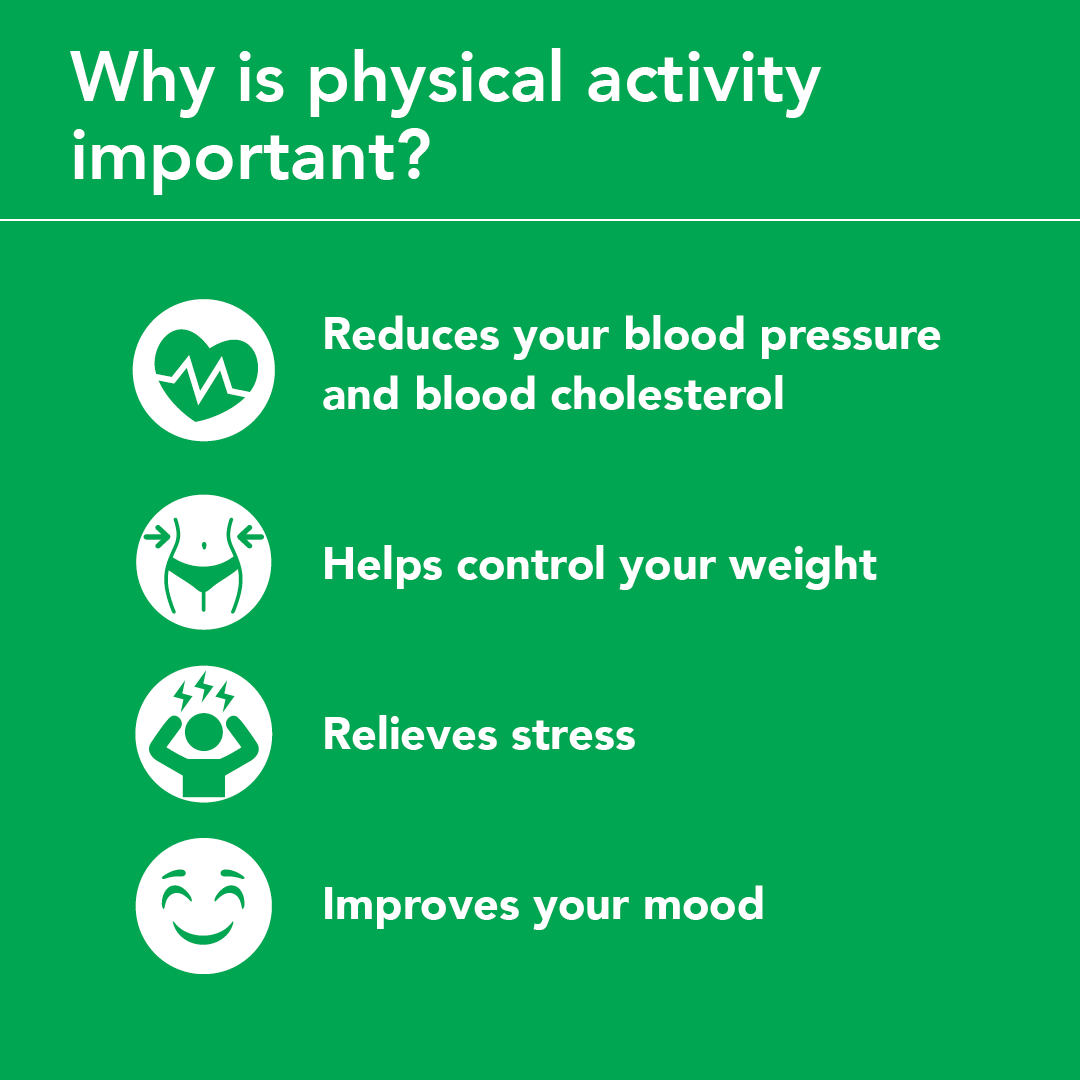
Being active regularly plays an important role in preventing and managing heart and blood vessel disease, diabetes and a range of other chronic conditions, as well as improving your overall health and well-being. In particular, regular physical activity can:
- Lower your blood glucose levels
- Reduce your blood pressure and blood cholesterol
- Help control your weight
- Relieve stress and lift your mood
Action:
- Aim for at least 30 minutes of moderate activity on most days of the week.
- Moderate activity means you are active at a pace that you notice a slight increase in your breathing, but can still talk. Examples include walking fast, cycling, dancing, swimming and aerobics.
- Thirty minutes of activity can be made up of two 15-minute sessions or three 10-minute sessions if this makes it easier to make physical activity a regular part of your day.
- Ask your doctor or other health professional for help and advice on how to increase your physical activity.