






Period pain symptoms
Period pain can feel different from person to person. Common symptoms include:11,5
- Lower abdominal cramps
- A dull ache, heaviness or pressure in the pelvis
- Lower back or thigh pain
- Nausea or vomiting
- Diarrhoea
- Bloating
- Headaches
- Fatigue
Period pain often starts just before or when your period begins and usually lasts for the first few days.11
Severe pain that stops you from going to work, school or doing your usual activities isn't something you simply have to put up with. Speak with your doctor if your period pain is affecting your quality of life.
What causes period pain?
The most common type of period pain is called primary dysmenorrhoea. It happens when chemicals called prostaglandins cause the muscles of the uterus to contract. These contractions help the uterus shed its lining during your period.5,11
There is also secondary dysmenorrhoea, where period pain is caused by an underlying condition. This can include:11,4
- Endometriosis
- Adenomyosis
- Fibroids
- Pelvic inflammatory disease
If your period pain is new, becoming more severe, lasting longer than usual or happening between periods, speak with your doctor.11,4
Period pain vs PMS: what's the difference?
Period pain usually happens just before or during your period and is most commonly felt as cramping or aching in the lower abdomen.11
Premenstrual syndrome (PMS) refers to physical and emotional symptoms that occur before your period. These can include bloating, breast tenderness, headaches, fatigue, irritability and mood changes. PMS symptoms generally ease once your period starts.10
You can experience both PMS and period pain.11
How to relieve period pain
There are several ways to help manage period pain. What works best can vary from person to person.
Pain relief medicines
Anti-inflammatory medicines, such as ibuprofen and naproxen, can help relieve period pain by reducing prostaglandins. They generally work best when started early, such as 1 to 2 days before your period or when symptoms begin, and continued during the first few days of bleeding if needed. Anti-inflammatory medicines aren't suitable for everyone. Your Pharmacist can help you check whether they're appropriate based on your health and any other medicines you take.
Paracetamol may also help with mild period cramps and can be an option for people who can't take anti-inflammatory medicines.
Some pharmacy medicines combine paracetamol and ibuprofen. These products aren't suitable for everyone, so speak with your Pharmacist before using them and always follow the directions on the label.
Heat therapy
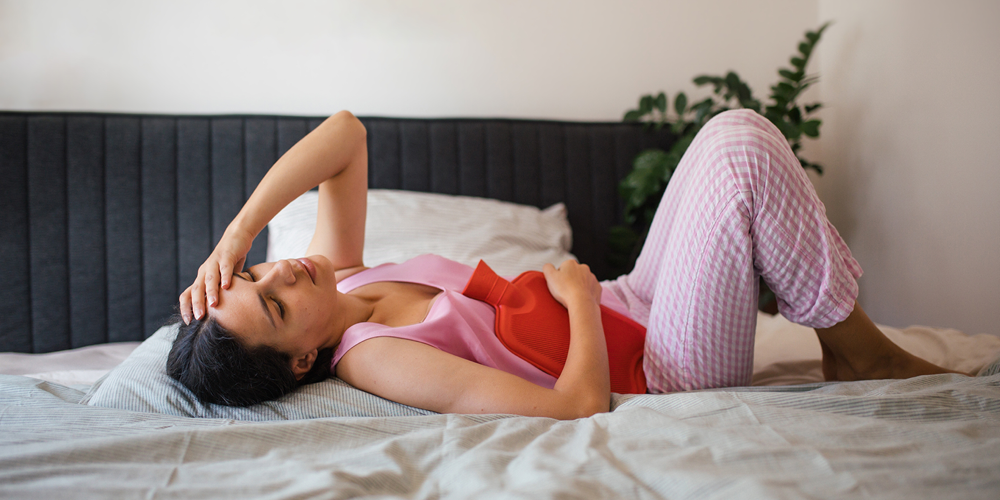
A heat pack or hot water bottle on your lower abdomen, or a warm bath or shower, may help relax your muscles and ease period cramps.
Gentle exercise
Regular physical activity may help reduce period pain. On days when you're uncomfortable, gentle activities such as walking, swimming or yoga may be easier to manage.
Other ways to manage period pain
Some people also find relaxation techniques, such as meditation, breathing exercises or yoga, helpful for managing stress around their period.
Other treatments, including TENS, acupuncture and some supplements, are used by some people, although the evidence for their effectiveness varies.
If period pain continues to affect your daily life, your doctor may also discuss hormonal treatments, such as the contraceptive pill, hormonal IUD or further investigation.
Period pain relief products
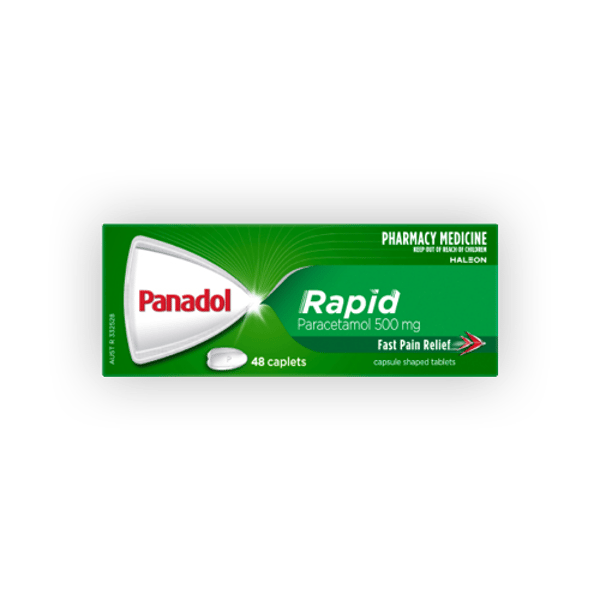
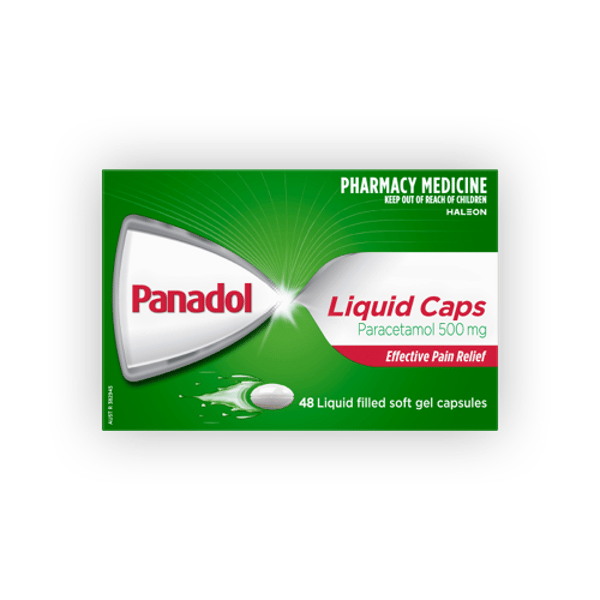
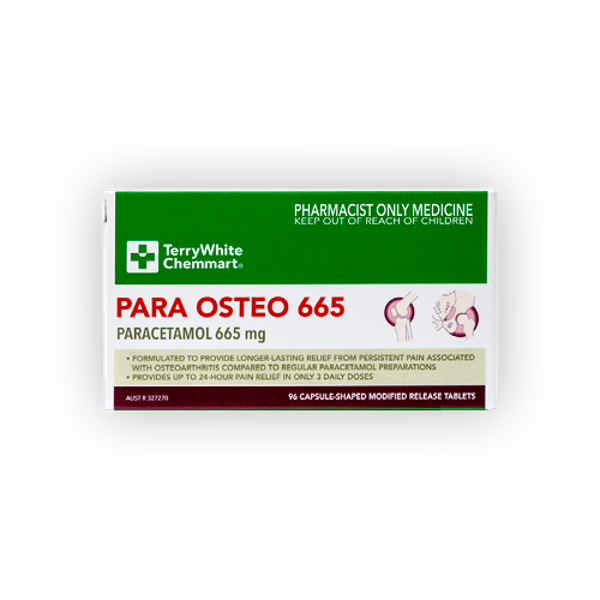
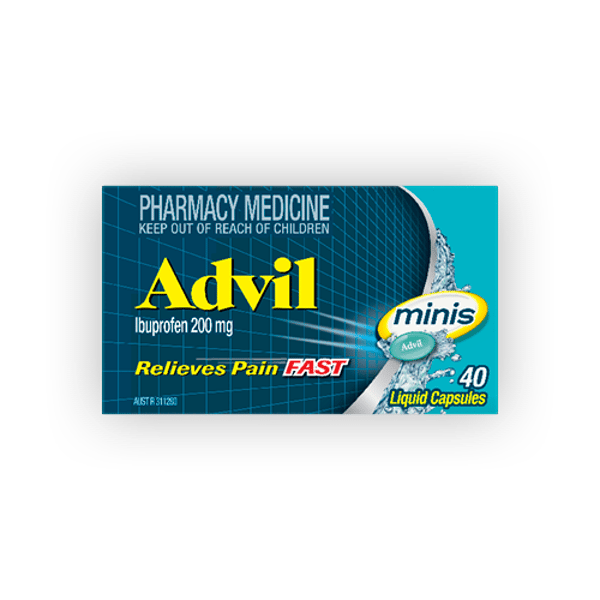
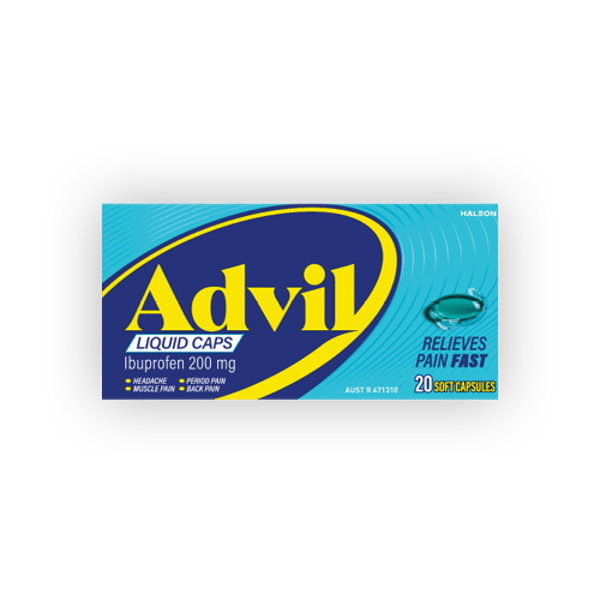
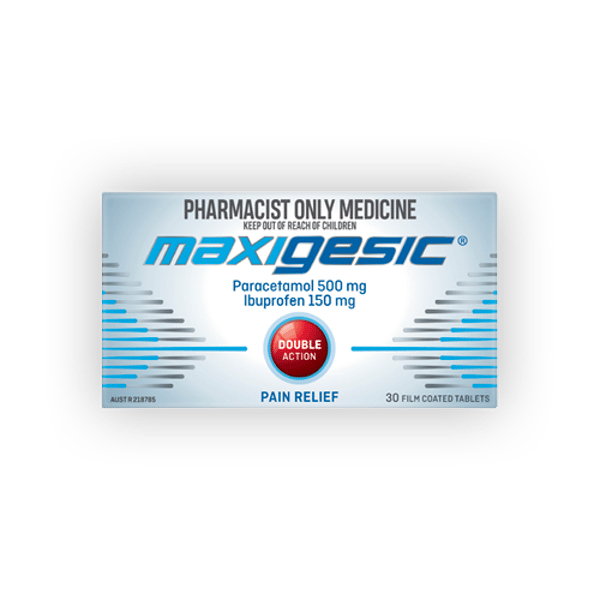
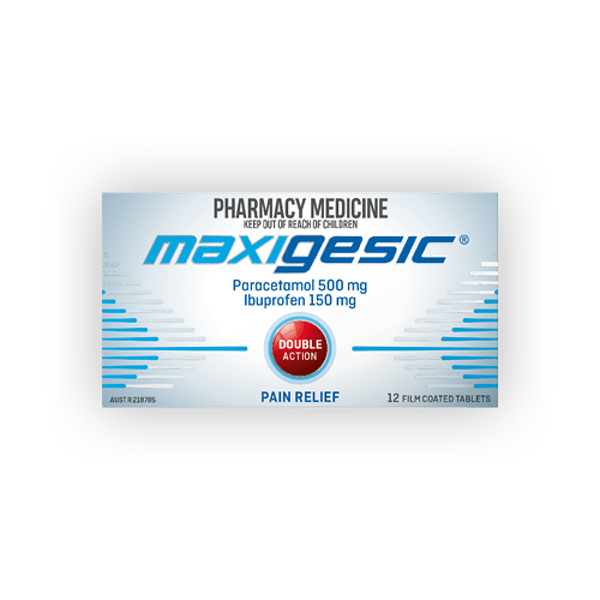
Looking for relief? Explore our range of period pain relief products.
When to seek help for period pain
Some period pain is common. It is generally considered normal if it happens just before or during the first 2 days of your period, does not affect your daily life, and improves with self-care measures such as pain relief medicines or a heat pack.11
It is important to see your doctor if your period pain is stopping you from doing your usual activities, or if it impacts your daily life, school or work.5,1
You should also see your doctor if you notice any change in your period pain, pain during sex, or pain between periods.11 Sometimes period pain is caused by an underlying condition, such as endometriosis or adenomyosis, which your doctor can check for.11
Related health information


Disclaimer
General advice only, this information should not replace the information provided to you by your healthcare professional. If symptoms are severe or persist, please speak to your healthcare professional. Information current as of date of publishing.
Resources
*https://www.womens-health-concern.org/help-and-advice/factsheets/period-pain/
1https://www.jeanhailes.org.au/health-topics/periods/period-pain/
2https://medlineplus.gov/periodpain.html
3https://www.healthline.com/health/why-do-periods-hurt
4https://www.nhs.uk/symptoms/period-pain/
5https://www.healthdirect.gov.au/managing-period-pain
6https://www.cochrane.org/evidence/CD001751_nonsteroidal-anti-inflammatory-drugs-dysmenorrhoea
7https://www.rch.org.au/clinicalguide/guideline_index/Dysmenorrhoea/
8https://menstruationmatters.com.au/pain-relieving-medication-analgesics/
9https://www.healthdirect.gov.au/medicines/brand/amt,1420271000168108/period-pain-relief-apohealth
10https://www.healthdirect.gov.au/premenstrual-syndrome-pms
11https://www.healthdirect.gov.au/painful-periods
12https://journals.plos.org/plosone/article?id=10.1371/journal.pone.0231201
Period Pain
Period pain refers to the discomfort or pain that women experience during their monthly menstrual cycle, as the uterus contracts to shed its lining.* It can affect women from their early teens through to menopause.
It is very normal to experience period pain, with common symptoms including cramping and heaviness in the pelvic area, intense spasms, as well as pain in the lower back, stomach or legs.1
Pain is usually at its worst when bleeding is heaviest, and often lasts for the first 48-72 hours (2-3 days) of a period.3
Period pain is a universally accepted part of womanhood, but understanding how it works and what treatment is available might make that time of the month just a little bit easier.
Period pain symptoms
Period pain is experienced differently by each woman and can vary in intensity between different periods.
Pain often starts when bleeding begins, however, some women also experience pain several days before a period begins.
Some women experience mild or no discomfort, while others will experience severe pain which can be debilitating and disruptive to daily life. The most common symptoms women experience during a period include:
- Abdominal cramps
- Bloating
- Lower back pain
- Nausea
- Diarrhea
- Headaches
Is period pain and PMS the same?
No, they are different. Pre-menstrual syndrome, or PMS, is the physical and mental symptoms experienced in the 1-2 weeks before a period. PMS causes different symptoms (including some that overlap with period pain), such as weight gain, bloating, irritability and fatigue.2
If your symptoms are extreme, last longer than your period, or differ from normal, it is recommended you see your GP.
Period cramps
Cramps are a very normal part of periods. Abdominal cramping can occur when chemicals called prostaglandins trigger the muscular walls of the uterus (womb) to contract or tighten.4
Every month during a woman’s menstrual cycle, a series of events result in the activation of prostaglandins – they encourage the uterus to contract further to help shed the lining of the womb, further increasing the level of pain.
Not all women cramp during periods, however it’s a very common symptom.
How to treat period pain
Period pain is never fun, but there are several ways to help cope with and ease the discomfort of period pain:
Non-steroidal anti-inflammatory medications (NSAIDs), such as ibuprofen or naproxen, are recommended as they inhibit the production of prostaglandin, thereby targeting the cause of period pain.
It might be useful to take these medications a few days before your period is due to reduce and help control pain symptoms.
Speak to your pharmacist about what may be right for you, for the following:
- Contraceptive medication or devices – there are several different contraceptives available that contain hormones that can reduce the severity of period pain and regulate periods.
It is essential to consult with a GP to discuss available options, the pros and cons, and what may be right for you. - Over-the-counter (OTC) pain relief medication, such as paracetamol
- Hot water bottle or heat pack applied to the area of discomfort
- Warm bath or shower
- Wear loose-fitting clothing
- Gentle exercise – such as yoga, swimming or walking. Exercise is thought to release endorphins (feel-good hormones)
- Alternative therapies – meditation, acupuncture or TENS (transcutaneous electrical nerve stimulation) may assist with reducing period pain.5
Lifestyle changes
may assist in the long-term management of period pain symptoms, and contribute to a greater quality of life overall.
- Quit smoking – it’s believed smoking reduces the supply of oxygen to the pelvic area, which can make period pain worse*
- Reduce alcohol consumption
- Eat fresh fruit and vegetables
- Cut down on ‘junk foods’ – or foods high in fat, salt and sugar
- Self-care – find time for relaxing or enjoyable activities that can take your mind off period pain and help elevate your mood. You might read a book, bake, watch a movie, take a bubble bath, light a candle, or practice yoga.
When to seek help
Period pain is a completely normal part of life, but sometimes the assistance of a GP may be needed.
If your pain is extreme, doesn’t go away with the use of pain relief, or if you are experiencing new or different symptoms to those commonly associated with period pain, it may be an indication of something more serious.
It is recommended you seek the assistance of a GP immediately, who can help.
While it’s an expected part of life for most women, there are lots of ways to help make your period easier. At TerryWhite Chemmart, we are here to support you during your period (and every other day and week in the month) with expert advice and a range of products to help manage the symptoms of period pain, so you can get back to seizing the day.
Speak to us today about how we can help you manage your period with the right support.
Disclaimer
General advice only – this information should not replace the information provided to you by your healthcare professional. If symptoms are severe or persist, please speak to your healthcare professional. Information current as of date of publishing.