



Eight tips for your period pain toolkit (plus how to know when to seek support)
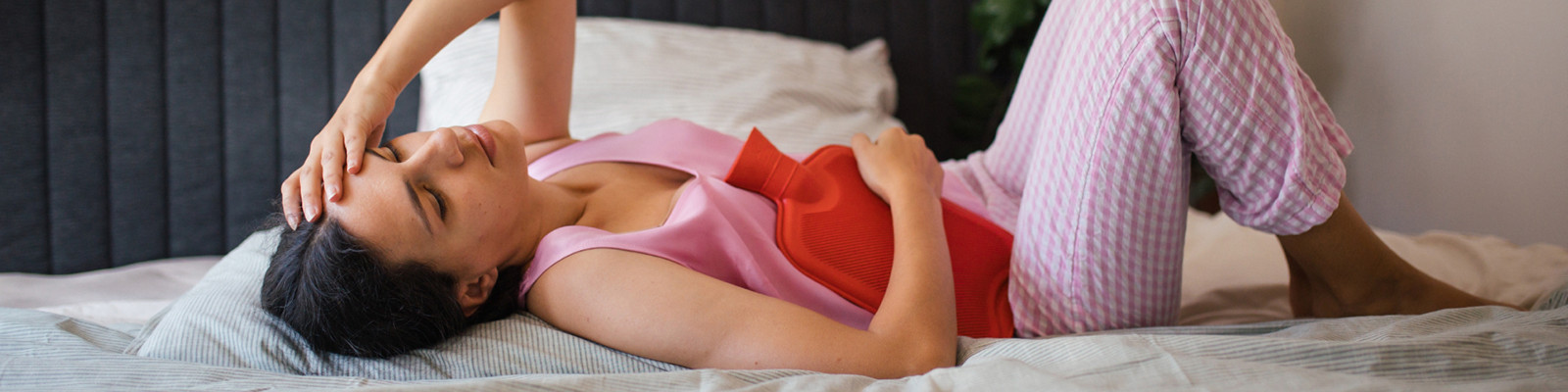
When it comes to managing period pain, a holistic approach combining dietary, lifestyle and self-care techniques with medicines where necessary is key. It's also important to know when to seek help for pain which is causing you stress or concern. So what can you do about period pain, what’s “normal” and when should you talk to your GP to rule out a secondary condition such as endometriosis?
1. Stay well-nourished
Avoid processed foods and focus instead on simple, anti-inflammatory options rich in Omega-3s (salmon, walnuts, linseed), vitamin D (trout, tuna, egg yolk) and vitamin E (nuts, seeds, spinach, broccoli) may ease symptoms.1
2. Easy on the sugar and salt
When sugar cravings hit, swap cakes and lollies for Greek yoghurt with honey, frozen berries or a square of dark chocolate. Meanwhile, reducing salt can help reduce fluid retention and abdominal bloating.4
3. Try herbal teas
High caffeine levels can contribute to irritability and cramping.4 Try herbal options; ginger, cinnamon, fennel seeds and dill which can help relieve symptoms. 2,3
4. Exercise
Turn to gentle movement such as walking, swimming and stretching to increase blood flow and release endorphins. Like yoga? Try child’s pose, reclining twist and cat-cow, which can be particularly helpful for relieving menstrual pain.
5. Heat therapy
Take a warm shower or bath, or apply a heating pad, wheat pack or hot water bottle to your lower abdomen or lower back. Heat increases blood flow, relaxes muscles and reduces cramping.
6. Stress management
Incorporate meditation, deep breathing or guided imagery into your daily routine so the pressure isn’t on when your period comes.
7. Sleep
Prioritise good sleep hygiene in the lead-up to your period, as fatigue makes it more difficult to manage pain and discomfort.
8. Supplements
Vitamins B6, B1, vitamin E, vitamin D, magnesium, calcium and zinc are associated with relieving some unpleasant symptoms of PMS.4 Talk to your Pharmacist about your symptoms and whether these could help you.
Know when to seek help
Ask your Pharmacist if you need additional support. They can also refer you to a doctor if your pain could be related to a secondary condition such as endometriosis. Talk to your doctor if your period pain:5
- Starts two or more days before you start bleeding
- Means you are consistently taking time off work or study
- Can’t be managed by pain medications
- Other considerations include if you experience pelvic pain during sex, when going to the toilet or if your blood family members also have or had very painful periods

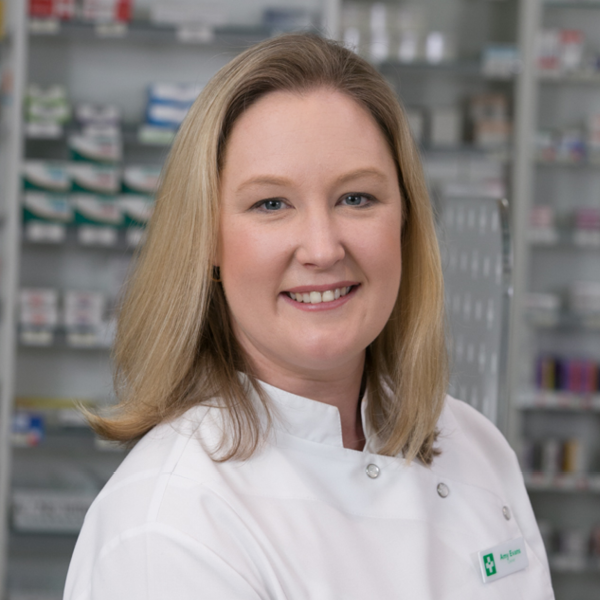
Amy Evans
TerryWhite Chemmart Pharmacist
Rouse Hill, NSW
Sources:
1 https://public-health.uq.edu.au/article/2024/01/got-period-pain-or-cramps-what-eat-and-avoid
2 https://www.sciencedirect.com/science/article/pii/S2213398422001944
3 https://www.healthline.com/health/womens-health/menstrual-cramp-remedies#home-remedies
4 https://www.thewomens.org.au/health-information/periods/healthy-periods/exercise-diet-periods
5 https://www.endozone.com.au/painful-periods
General advice only – this information should not replace the information provided to you by your health care professional. If symptoms are severe or persist, please speak to your health care professional. Information current as of date of publishing.
What is the National Immunisation Program (NIP)? And why it matters!
At its core, it’s simply a schedule of vaccinations given at certain times throughout your life. This ensures you receive the best protection against a range of diseases when you need it most.
Is medical weight loss right for you?
Two-thirds of Australians are overweight or living with obesity, and it’s the second leading risk factor contributing to ill health and death in this country.