




Features of a Power Toothbrush

In these modern times, even standard household objects like toothbrushes are equipped with advanced technology. With features such as built-in timers and different speed settings, it's no wonder that electric toothbrushes keep your mouth overall healthier vs. a regular manual toothbrush. However, skepticism still remains as to whether purchasing an electric toothbrush is really worth it.
Features of a Power Toothbrush
Simply stated, rechargeable electric toothbrushes (or “power” toothbrushes) provide superior plaque removal to regular manual toothbrushes. Because they provide the brushing action for you, many people find using power toothbrushes easier than using regular manual ones. Additionally, with so many different types and features available, it’s easy to find one that suits your specific oral health needs.
In addition to things like your brushing technique, how often you brush and the length of time you spend doing it, experts believe that the type of toothbrush you use will directly affect how well you remove plaque. To decide which type of power toothbrush is right for you, it’s helpful to understand exactly what kinds are available to you and how they differ from one another.
The Three Types of Toothbrushes
The three types of toothbrushes on the market are rechargeable electric (including sonic), regular manual and battery power.
Rechargeable Electric Toothbrush:
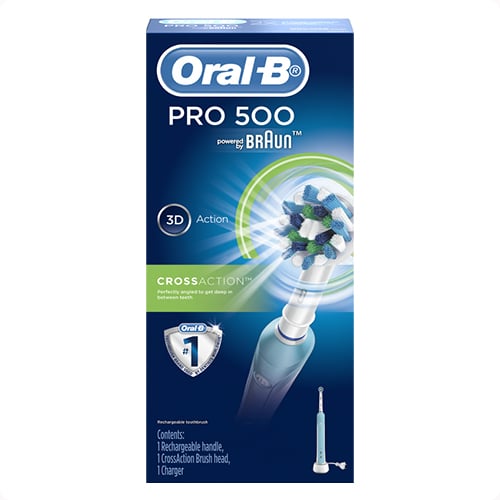
A rechargeable electric toothbrush, also known as a "power toothbrush", is the kind you plug into the wall to recharge, keeping the handle and replacing the brush head every three months. Rechargeable electric toothbrushes differ among the kind of cleaning technology they use, such as oscillating-rotating (3D Cleaning Action) or sonic technology.

Features of a Power Toothbrush
Simply stated, rechargeable electric toothbrushes (or “power” toothbrushes) provide superior plaque removal to regular manual toothbrushes. Because they provide the brushing action for you, many people find using power toothbrushes easier than using regular manual ones. Additionally, with so many different types and features available, it’s easy to find one that suits your specific oral health needs.
In addition to things like your brushing technique, how often you brush and the length of time you spend doing it, experts believe that the type of toothbrush you use will directly affect how well you remove plaque. To decide which type of power toothbrush is right for you, it’s helpful to understand exactly what kinds are available to you and how they differ from one another.
The Three Types of Toothbrushes
The three types of toothbrushes on the market are rechargeable electric (including sonic), regular manual and battery power.
Rechargeable Electric Toothbrush:
A rechargeable electric toothbrush, also known as a "power toothbrush", is the kind you plug into the wall to recharge, keeping the handle and replacing the brush head every three months. Rechargeable electric toothbrushes differ among the kind of cleaning technology they use, such as oscillating-rotating (3D Cleaning Action) or sonic technology.
Regular Manual Toothbrush:
In contrast, regular manual toothbrushes are the basic toothbrushes you're probably accustomed to with a plastic handle and various nylon bristle designs on the brush head. This is the most common type of toothbrush, and it doesn't require any power sources.
Battery Power Toothbrush:
Those who want a dose of power but are weary of electric toothbrushes may prefer battery-powered toothbrushes. While similar in design to regular manual toothbrushes, battery power toothbrushes provide vibration to add some extra cleaning action.
Modifying Brushing Technique
Proper brushing technique varies when using different kinds of toothbrushes. Both regular manual toothbrushes and battery power toothbrushes require you to provide all or most of the brushing action, moving the brush back and forth along all sides of your teeth and gums.
In contrast, rechargeable electric toothbrushes provide the cleaning action, meaning you only need to guide it along all surfaces. Once they get the hang of it, many people find this method of brushing easier. Likewise, people with arthritis or other similar conditions may find using a power toothbrush less painful. Power toothbrushes may also help kids brush their teeth more effectively, but be sure to check the age recommendations on an electric toothbrush before letting your child use it.
Electric Toothbrush Benefits Manual Toothbrushes Don’t Have
Superior Plaque removal:
Oral-B electric toothbrushes which feature a dentist inspired round brush head removes up to 100% more plaque than a regular manual brush, which helps prevent cavities.
Adhering to recommended brushing time:
One of the biggest issues with a manual toothbrush is difficulty adhering to the recommended brushing time of two minutes or following the technique recommended by a dental professional. This results in a less than ideal tooth cleaning. Electric toothbrushes from Oral-B feature two-minute timers to make sure your teeth are getting the dental professional recommended clean. The timer features a 30-second alert that tells you when to switch the area (quadrant) you're brushing. This ensures that every part of your mouth gets the attention it needs to maintain a superior clean*.
Gum Protection:
To protect your gums while brushing, some Oral-B oscillating-rotating-pulsating electric toothbrushes are also designed with a built-in pressure sensor to notify you if you're using too much force while brushing.
Brushing Modes:
Different modes available on electric toothbrushes include deep clean, gum care, whitening, sensitive and tongue cleaning. The gum care setting massages and stimulates the gum tissue. The sensitive option reduces the speed of the brush movement for a gentler cleaning, which might benefit people who have sensitive areas in their mouth. Tongue cleaning settings remind you to clean your tongue and improve the freshness of your breath
Understanding Electric Toothbrush Value
Rechargeable electric toothbrushes tend to have a higher price value than battery power and regular manual toothbrushes, but you can find some for as low as $50 AUD.
Looking at the full spectrum of benefits offered by an electric toothbrush can give you a clear picture of the value it can provide in the long term. For starters, most electric toothbrushes have affordable replacement brush heads, and you can buy different types of brush heads for a cleaning experience customized to your oral health needs.
Another factor to consider is that using an electric toothbrush keeps your mouth healthier vs. a regular manual toothbrush. Getting a superior clean doesn’t have to be cost-prohibitive - Oral-B offers many cost-effective electric toothbrush options. The Oral-B Vitality range or Pro-100 electric brushes are great entry-level options for those who are curious to improve their oral health.
Trying Out an Electric Toothbrush
Keep your oral health goals in mind when choosing an electric toothbrush. Some things to consider include your individual brushing needs and other benefits, in addition to the types of replacement or refill brush heads you prefer.
If you're looking for whiter teeth, consider a model with a whitening mode. While most electric toothbrushes feature similar built-in brushing options, Oral-B electric toothbrushes (as of Smart 1 brush) takes it one step further by using Bluetooth® technology to sync up with your smartphone and provide you with real-time feedback on your brushing habits. One of our most breakthrough features, available with the award-winning Oral-B iO Series, is the revolutionary A.I. Recognition and Position Detection Technology which guides you to cover all the areas of your mouth, so you never miss a zone or section. Choosing the right electric toothbrush for your specific oral health needs helps you achieve better results and a more enjoyable brushing experience.