







Bowel Cancer
What is bowel cancer?
Bowel cancer (also referred to as colorectal or colon cancer) can affect any part of the colon or rectum and usually starts with growths called ‘polyps’ that can develop into cancer if left undetected and untreated. It can affect anyone of any age.
Alarmingly cases of bowel cancer in young people have risen 266% in the past thirty years, and bowel cancer is now the leading cancer killer in 25-44 year olds.
This year alone, around 15,500 Australians will be diagnosed with bowel cancer (including 1,800 people under the age of 50) - around a third of those diagnosed won’t survive it*.
Bowel cancer is the second deadliest cancer in Australia, however, if detected early enough, up to 99% of cases can be successfully treated*.
That’s why it’s important to understand the signs and symptoms of bowel cancer, and what you can do to reduce the risk of developing the disease.

Explore bowel cancer topics below
How does bowel cancer start?
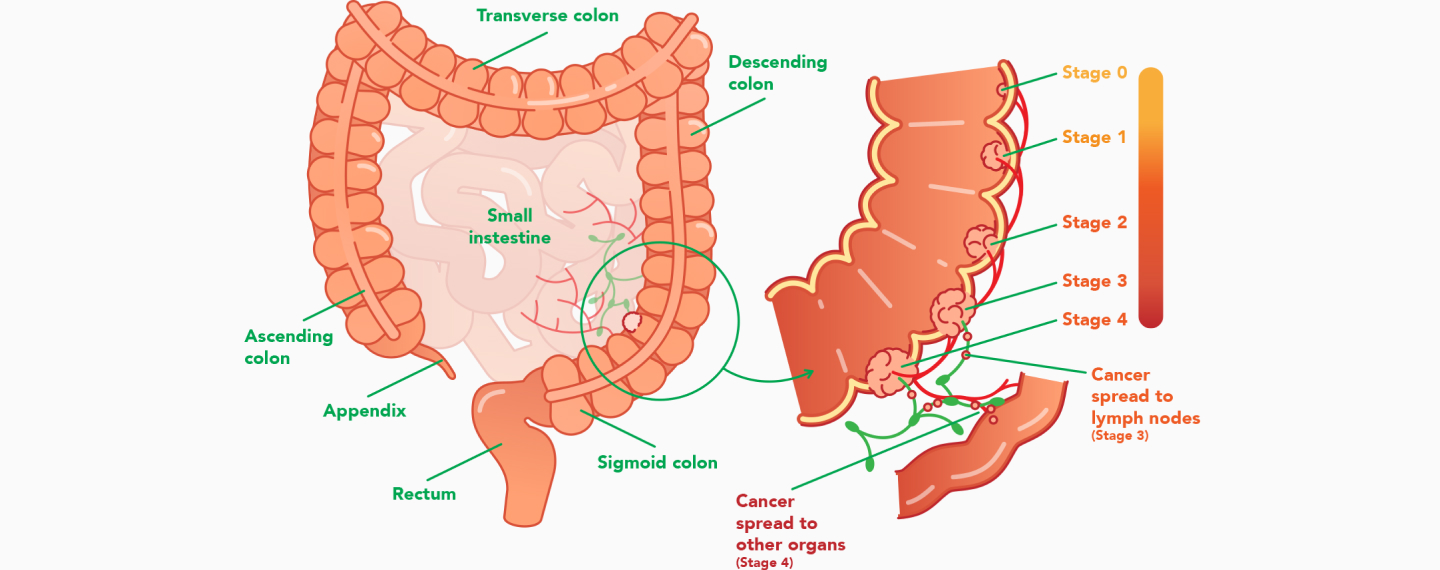
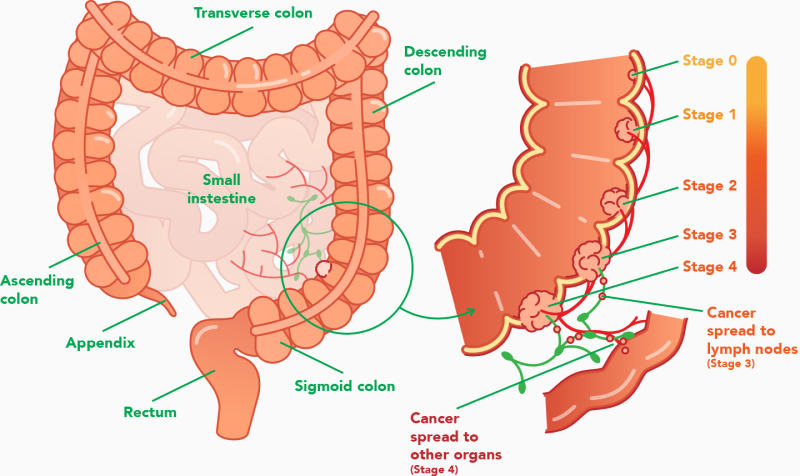
Most bowel cancers start as adenomas or polyps – a benign non-threatening tumour that forms in the lining of the colon or rectum as a result of abnormal tissue growth. Polyps are quite common, affecting between 15-40% of adults, vary in number for each person and are often harmless^.
However, over time, some polyps can turn malignant (ie. cancerous) if left untreated^ and often they won’t cause any symptoms unless they’re large1. Cancerous polyps can sit in the bowel for a long time - often years - before spreading through the bowel wall to lymph nodes and the bloodstream, which carry it to other parts of the body where the cancer metastasizes#.
While not all polyps will develop into cancer, studies have shown that early detection and the removal of polyps, along with regular surveillance can greatly reduce the risk of bowel cancer#.
A big part of preventing bowel cancer comes from knowing the signs and symptoms to look out for and acting early.


Bowel cancer signs and symptoms
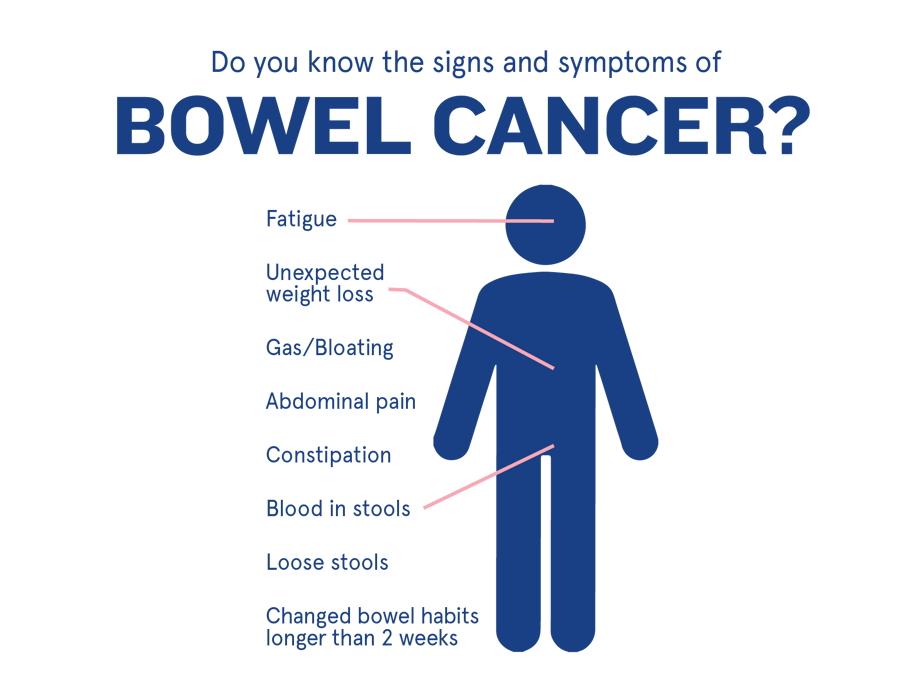
If you experience any of these symptoms for longer than two weeks speak to your GP immediately#:
- Bleeding from your bottom or blood in your poo
- A change in bowel habits for longer than two weeks, such as:
- Going to the toilet more frequently
- Constipation
- Loose or watery bowel movements
- Feeling that the bowel does not completely empty
- Bowel movements that are narrower than usual - Frequent gas pains, bloating, fullness or cramps
- Persistent and severe abdominal pain, which has come on recently
- A lump in your stomach or rectum
- Unexplained feelings of tiredness, breathlessness or a lack of energy
- Unexplained weight loss or vomiting.

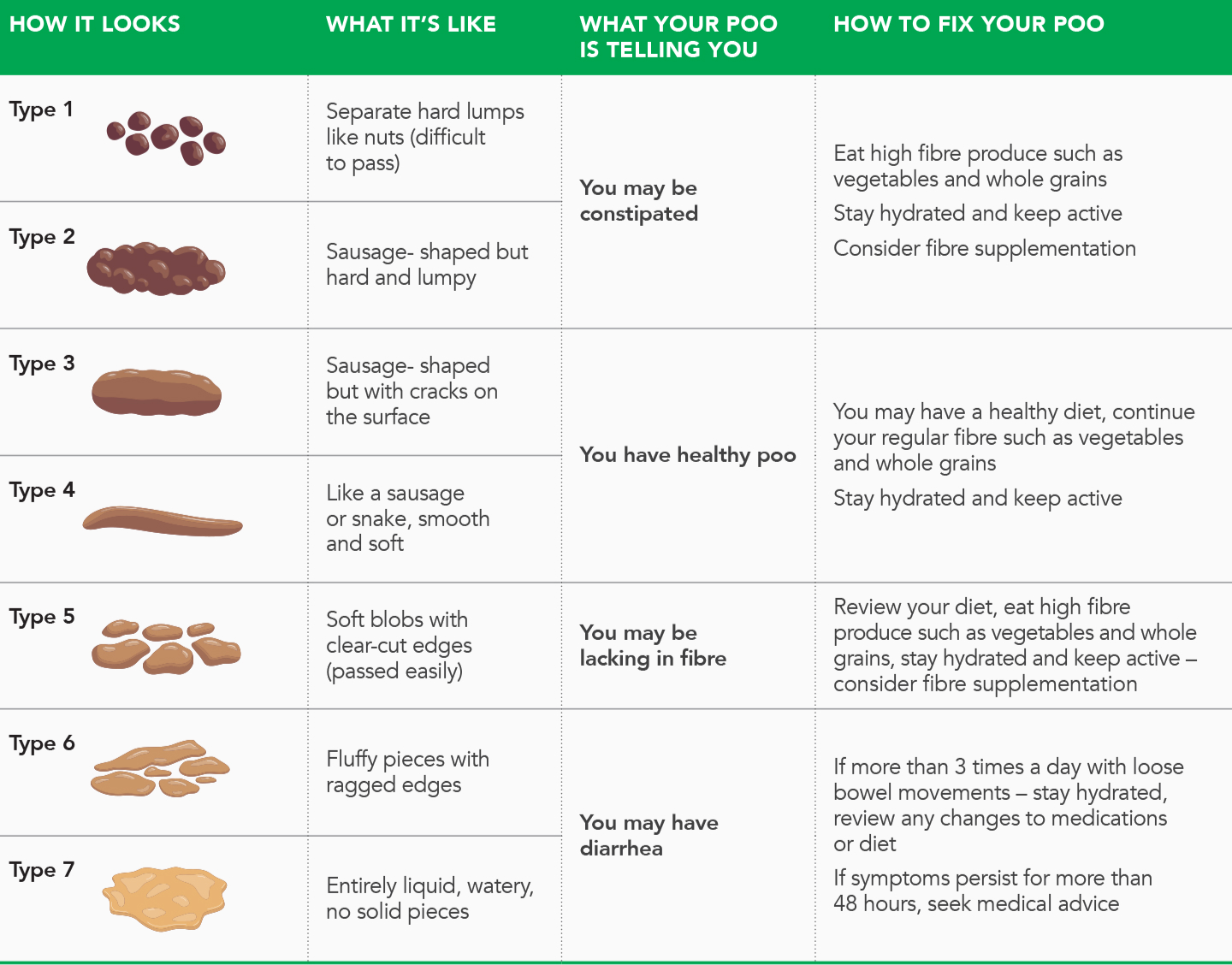
The Bristol Stool Chart, below, outlines types of bowel movements and makes it simple to identify yours and raise concerns with your healthcare professional, if necessary.

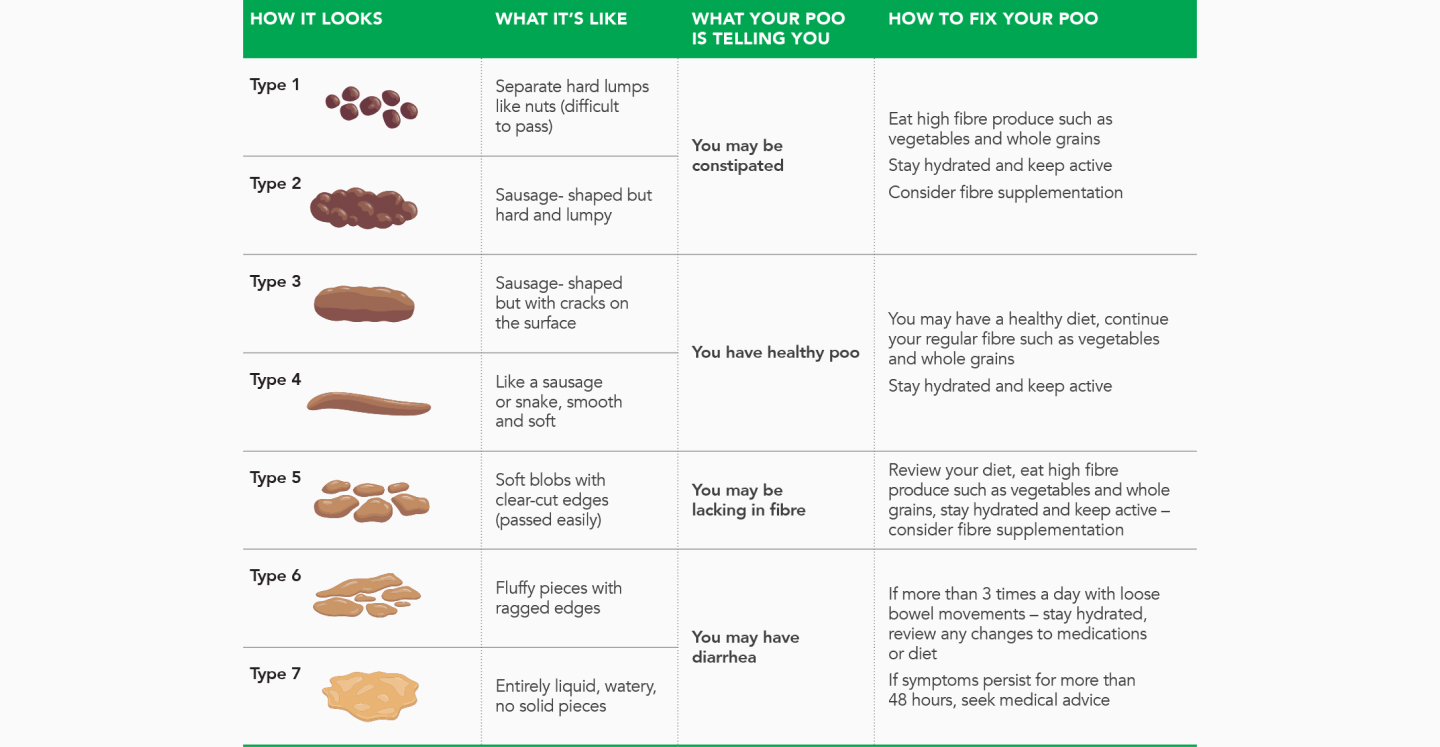

For some people, bowel cancer can be present for many years before showing any symptoms, while others will experience symptoms early on. Recognising what to look for and acting quickly is crucial for the early detection and prevention of the disease. Jodi Lee Foundation has a symptom checker available for download.
Who is at risk of bowel cancer?
Certain people are naturally at higher risk of bowel cancer, and it’s important to be aware of this and pay extra attention to your body if you fall into any of these groups2:
- Age: the older you are, the greater your chance of developing bowel cancer. Risk levels increase four-fold during your 40s and continue to rise sharply and progressively from the age of 50.
- Genetics: if you have a family history of bowel cancer or polyps, you may have a higher-than-average risk of developing bowel cancer.
- Personal Medical History: if you experience inflammatory bowel conditions (e.g. Coeliac Disease or Crohn’s Disease) or have previously had polyps removed, you are at higher risk of developing bowel cancer.
- Lifestyle: certain lifestyle factors can greatly increase your risk of bowel cancer, including a diet high in saturated fats and processed meats, smoking and excessive alcohol consumption. A lack of exercise and obesity can also place you at higher risk.
How to reduce the risk of developing bowel cancer
Detected early, up to 99% of bowel cancer cases can be successfully treated.* That’s an encouraging number! There are several ways you can do this:
- Knowing your family history and understanding if you are at greater risk than others.
- Getting screened regularly increases the chance of early detection. Medical guidelines in Australia recommend at-home screening at least once every two years for people between 45 and 74 years. However, bowel cancer does affect people under age 50 too. We urge all Australian adults to be aware of bowel cancer and to speak to their GP immediately if they have any concerns.
- Making diet and lifestyle changes, such as:2
- Avoid smoking and excessive alcohol consumption
- Maintain a healthy weight range
- Exercise regularly (aim for at least 30 minutes daily)
- Avoid sitting down for too long
- Increase your fibre intake
- Eat a healthy, balanced diet and avoid saturated fats or processed meats
When to seek help
Early detection is crucial, if you experience any of the bowel cancer signs and symptoms for longer than two weeks, have a family history of bowel cancer or are at higher risk of bowel cancer and are concerned about changes you’ve been noticing, speak to your GP immediately.
How TerryWhite Chemmart can help
Your local TerryWhite Chemmart Pharmacist is here to help you manage your health. Discuss your symptoms with us, we can offer health advice and refer you to a doctor when necessary.
Bowel cancer screening
One of the most effective ways to detect bowel cancer early is using a screening test that looks for blood (a common sign of bowel abnormality) in your poo.
This can be done using simple at-home test kits, which some Australians, aged 45-74 are eligible to receive at no cost, through the National Bowel Cancer Screening Program. All you need to do is collect a sample from two bowel movements using the supplied brush or stick, then mail it to a pathology lab using the envelope provided in your kit.
Most test results are returned within 14 days, and if it’s a positive result you’ll be directed to speak to your GP further.


Who is eligible for FREE bowel cancer screening kits?
As part of the National Bowel Cancer Screening Program, Australians aged 45-74 may be eligible for FREE, easy-to-use home kits.
For those who are not eligible, bowel cancer screening kits are available at participating TerryWhite Chemmart pharmacies, the Jodi Lee Foundation, and other non-profit bowel cancer organisations.
About Jodi Lee Foundation
Jodi Lee Foundation is a national not-for-profit organisation, raising awareness on the prevention and early detection of bowel cancer to reduce the impact of bowel cancer in Australia. With a mission to empower everyone to take active steps to lead longer, healthier lives free from bowel cancer.
Want to find out more?
Visit Jodi Lee Foundation website at www.jodileefoundation.org.au

