







Dry Eye
Explore dry eye topics
What is dry eye?
Dry eye (also known as dry eye syndrome) is a condition that occurs when you don’t produce enough tears to lubricate your eyes. It’s estimated that around 77 per cent of the population are affected.1
People with dry eye can’t produce enough tears to keep the eye surface moist, or their tears don’t stay on the eyes long enough.
Every time you blink, a thin film of tears is swept over the eye to prevent it from drying out. Tear film is made up of three layers:
- an oily (lipid) layer on the outside
- a watery (aqueous) layer in the middle
- a mucus layer on the inside
This tear film must remain intact in between blinks to maintain eye comfort and health.
Dry eye can be very uncomfortable and have a significant impact on quality of life, however you can treat and ease the associated symptoms with the help of your pharmacist.
Types of dry eye syndrome
There are two types of dry eye syndrome:
- Aqueous deficiency — this is where you don’t produce enough tears
- Evaporative — this is where you experience increased tear evaporation
It’s possible to have both types of dry eye syndrome.2
What causes dry eye?
Common causes of dry eye3, 4 include:
- ageing – tear production slows as we get older
- menopause
- some medical conditions including Sjogren's syndrome, allergic eye disease, rheumatoid arthritis, lupus, scleroderma, graft vs. host disease, sarcoidosis, thyroid disorders or vitamin A deficiency
- some medications such as oral contraceptives, antihistamines, antidepressants, hormone replacement therapy (HRT), diuretics and drugs for high blood pressure, acne, and Parkinson’s disease
- eyelid problems such as the eyelid turning outward or inwards
- trauma to the eye
- environmental conditions such as exposure to wind, dry air (especially related to heaters during colder months)
- irritants like cigarette smoke, dust or chemicals
- eye surgery procedures (e.g. laser eye surgery or cataract surgery)
- prolonged contact lens wearing
- too much time spent looking at computer screens and other electronic devices
- infrequent blinking
Who gets dry eye syndrome?
Anyone can get dry eye syndrome however it’s more common in women, with almost twice as many women as men experiencing the condition5. It’s also more common in people over 50 years of age, because as we get older, we produce a smaller volume of tears.
Dry eye is common in postmenopausal women (due to hormonal changes) 6. It’s also known to occur in people with rheumatoid arthritis (RA), as inflammation from RA causes abnormalities in the tear glands leading to reduced fluid secretion.7
People of Asian ethnicity are also prone to developing dry eye. 8


What are dry eye symptoms?
Typical symptoms9, 10 of dry eye may include:
- stinging or burning
- watery eyes
- red eyes
- itchy eyes, especially in the corners of the eyes
- feeling as if you have something in your eyes, such as an eyelash or grit
- eyes that feel tired, like you need to close them, or eyes that get tired quicker than they used to
- stringy mucous around your eyes, especially when you wake up
- sensitivity to light
- blurred vision
- difficulty wearing contact lenses
- difficulty driving at night
What is the treatment for dry eye?
There is no cure for dry eye, so treatment is aimed at reducing and managing symptoms. This is either through increasing tear production, maintaining tear film volume, or reducing tear loss. Typical treatments may involve:
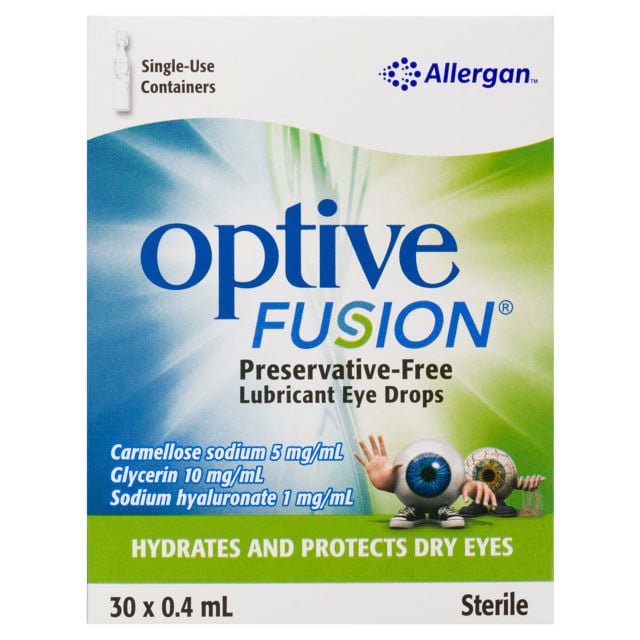
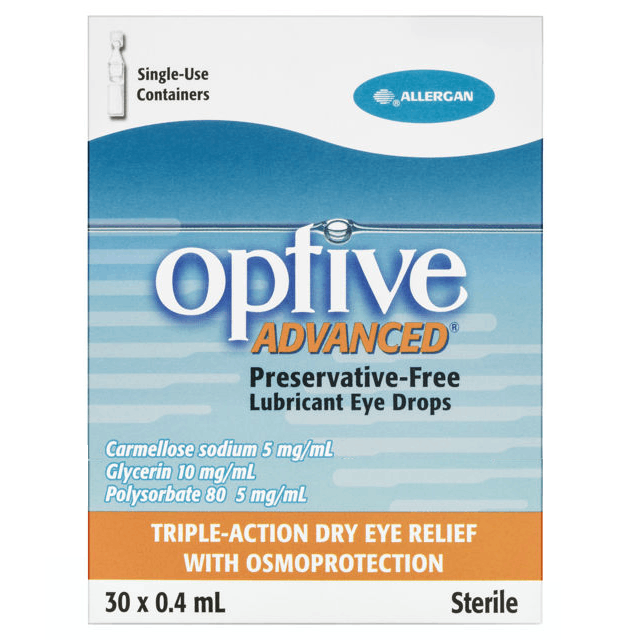
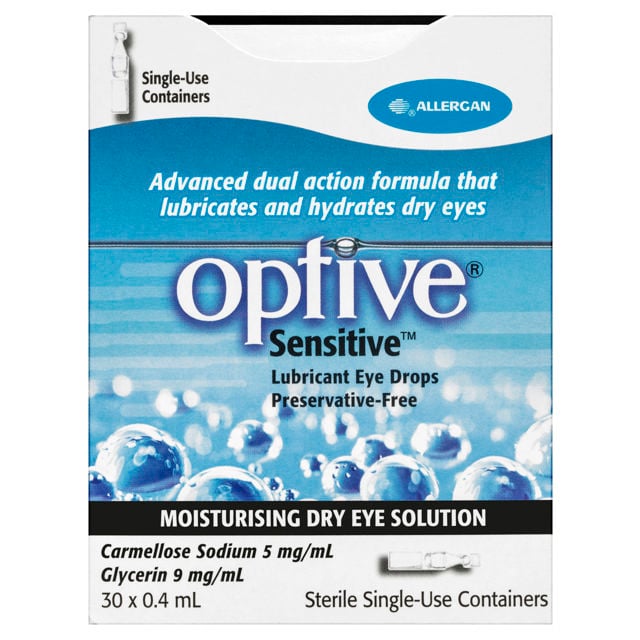
Artificial tears (eye drops) — Drops to increase moisture in your eyes is one of the most common treatments pharmacists and GPs will recommend.
Some work by increasing the oily layer of the tear film, others increase the watery layer while others help relieve the symptoms associated with the condition.
Medications —designed to stimulate tear production.
Lacrimal plugs — These are special plugs that are inserted into your tear ducts to prevent excessive loss of tears. This is a relatively painless and reversible procedure.
Surgery — In some severe cases that don’t respond to other treatment, surgery may be required. This involves the drainage holes in the corners of your eyes being permanently plugged so your eyes can maintain adequate tears.
This will only be referred by a GP, depending on the severity of your condition.
Can I prevent dry eye?
Dry eye is a condition that won’t resolve itself, and symptoms often progressively get worse with age. However, if you do experience this condition there’s a number of things you can do to reduce the symptoms, such as:
- Try to blink more often
- Avoid situations where wind blows directly into your eyes such as hair dryers, car heaters, air conditioners and fans
- Wear sunglasses if outside on a windy day
- Use a humidifier to increase the moisture in the air, particularly during winter when you use indoor heating
- Take regular breaks when working on a computer and position your computer screen below eye level, as this prevents you from opening your eyes as wide, and slows the evaporation rate of your tears
- If you smoke, take steps to quit, and avoid being around other people who smoke
- Speak to your doctor or pharmacist about any medications you’re taking that could be contributing to your dry eye symptoms
When to visit your doctor
Dry eye can significantly impact your life, and make it hard to perform daily activities such as working, reading or driving. If not treated appropriately, dry eye syndrome can also lead to complications such as eye infections and may cause damage to the surface of your eyes.
So, if you don’t get relief from using eye drops and making other lifestyle changes, it may help to speak to your doctor to find out what other options may be available to better manage it.
Products that may help
Always read the label and follow the directions of use



How TerryWhite Chemmart can help
Any number of issues may be contributing to your dry eyes, including lifestyle, underlying health conditions or medication.
At TerryWhite Chemmart, we can help you manage your health conditions with a Medication Review, where one of our pharmacists will review your medication and discuss which medications may be contributing to your dry eye, and how we can best help you manage it.
Book a Medication Review at your nearest TerryWhite Chemmart today.