







Back Pain
If you suffer from back pain, you are not alone. Back pain, particularly lower back pain, is one of the most common forms of pain1, with most Australians likely to experience it at some point in their lives.
It can feel like an ache, tension or stiffness in the back that is usually caused by the way bones, discs, tendons, muscles, nerves and ligaments interact.1
Back pain can affect the neck (cervical spine), upper back (thoracic spine) and lower back (lumbar spine) as well as the sacrum and tailbone (coccyx).2 There is a number of reasons you may experience back pain, but it is most commonly brought on by a sudden movement, fall, injury or medical condition.
For many people, back pain may improve or disappear within three to six weeks (sometimes referred to as acute back pain) if treated effectively, while others may develop more persistent back pain lasting for over three months (chronic pain).
Back pain is not just painful to deal with, but extremely disruptive to daily routine, so it is important to understand how to manage it effectively.
Explore back pain topics below
Back problems may include:2
- Pain in the lower, middle and upper back caused by a range of injuries and conditions
- Pain including tingling, numbness and weakness in the legs that starts from the lower back
- Deterioration of the spine caused by wear and tear on the joints
- Pressure on the nerves attached to the spinal cord, which may cause pain
- Neck pain or stiffness caused by disc deterioration
Treatment for lower back pain3
- Maintain routines – employ small tweaks to help you work and do your everyday activities
- Stay active – our backs need to move; remember that gentle activity aids in recovery
- Limit bed rest – more than 1-2 days of bed rest for sudden back pain can slow improvement
- Hot/cold packs and topical rubs – these are applied to the affected area to help provide relief from pain and inflammation
- Medication – use over-the-counter medications such as paracetamol and anti-inflammatories as necessary for you, to help you continue your daily routine, rather than to mask pain
- Be present – explore mindfulness, relaxed breathing, distraction and listening to music
Should I see my doctor about my lower back pain?
Your Pharmacist can help you manage symptoms and make lifestyle changes to manage short-term lower back pain.
However, see your doctor immediately if you experience:3
- Incontinence or poor bowel control
- Numbness around the back passage, genitals or both legs
- Unsteadiness when walking
- Unexplained weight loss
- Night sweats, chills, fevers, vomiting or constant night pain
Back Pain Causes
Several factors that can contribute to back pain include:
- Poor work practices
- Incorrect lifting techniques
- Changes to work environment, such as working from home (during COVID-19) and not having the same ergonomically supportive equipment
- Poor posture
- Being overweight
- Lack of exercise
- Pregnancy
What can I do about lower back pain?
While common, lower back pain is not normally a cause for concern. As much as possible, it’s important to continue to use holistic strategies that allow you to continue to go about your day-to-day life.


Types of back pain
Short term back pain
Most short-term (or acute) back pain usually lasts anywhere between a few days to a few weeks. For those suffering from short term back pain, trying the below treatment measures for the first 2 to 3 days may assist with pain relief.
- Apply ice packs to the area of back affected for 20 minute periods, every 1-2 hours. Make sure the ice is wrapped in a cover, and not applied directly to the skin
- Avoid ‘HARM”: Heat, Alcohol, Re-injury and Massage for the first few days, as this is likely to increase inflammation and swelling
- Avoid unnecessary, strenuous activities
- When resting, lie in a comfortable position, supported by pillows if necessary
- Keep moving, as movement aids the healing process. Walk as much as you feel comfortable doing, gradually increasing the distance covered. Initially, this may not be far and may require the use of crutches or a walking frame
- Take appropriate pain relief medications. We encourage you to speak to your local TerryWhite Chemmart pharmacist about what pain medication may be right for you.
- Speak to your Physiotherapist about recommended exercises to suit your condition which may assist returning mobility and core strength, thereby reducing some of the pain experienced
If your back pain symptoms persist, visit your GP, pharmacist or health care professional for advice on how to better manage the pain.

Chronic back pain
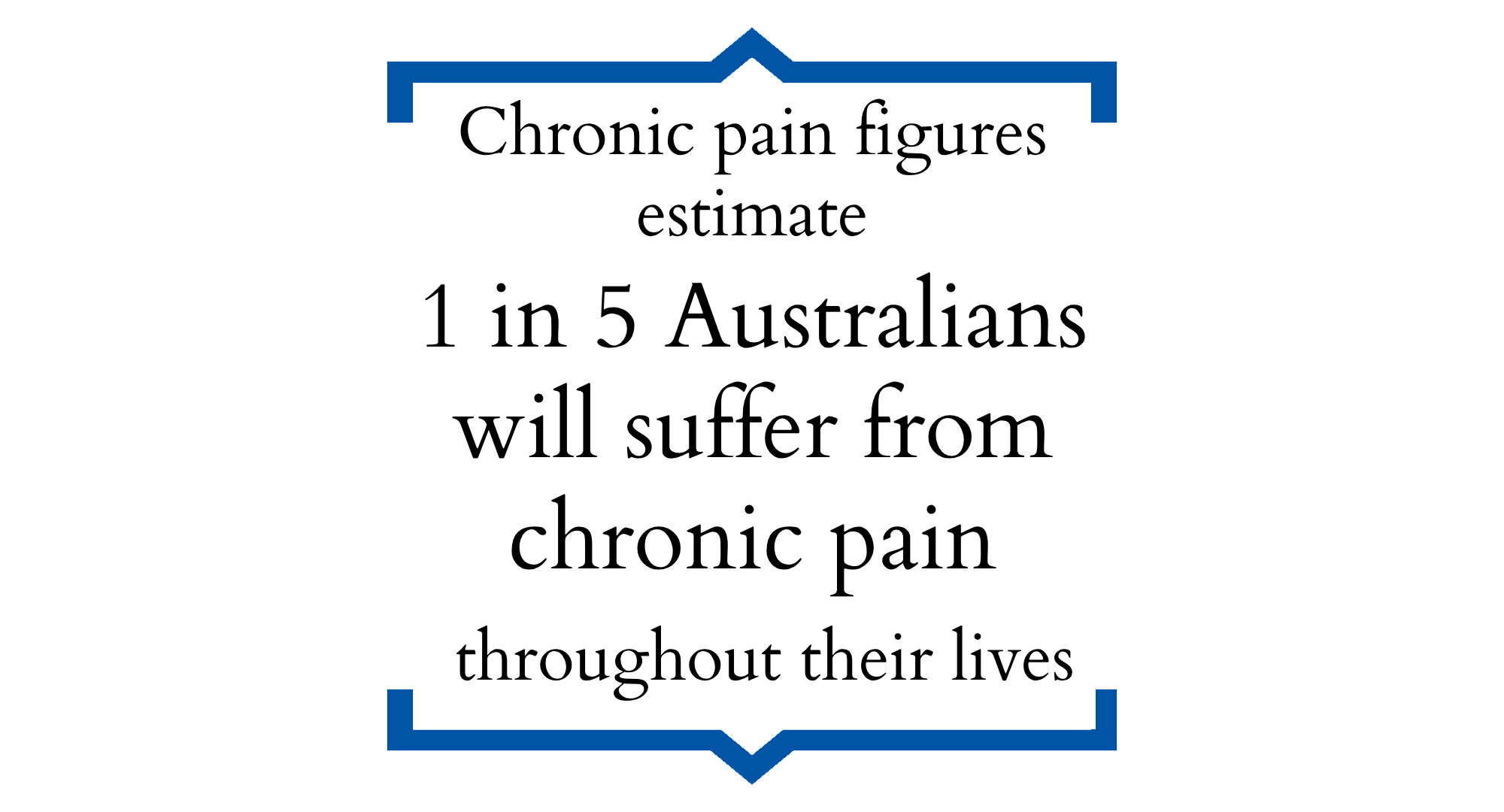
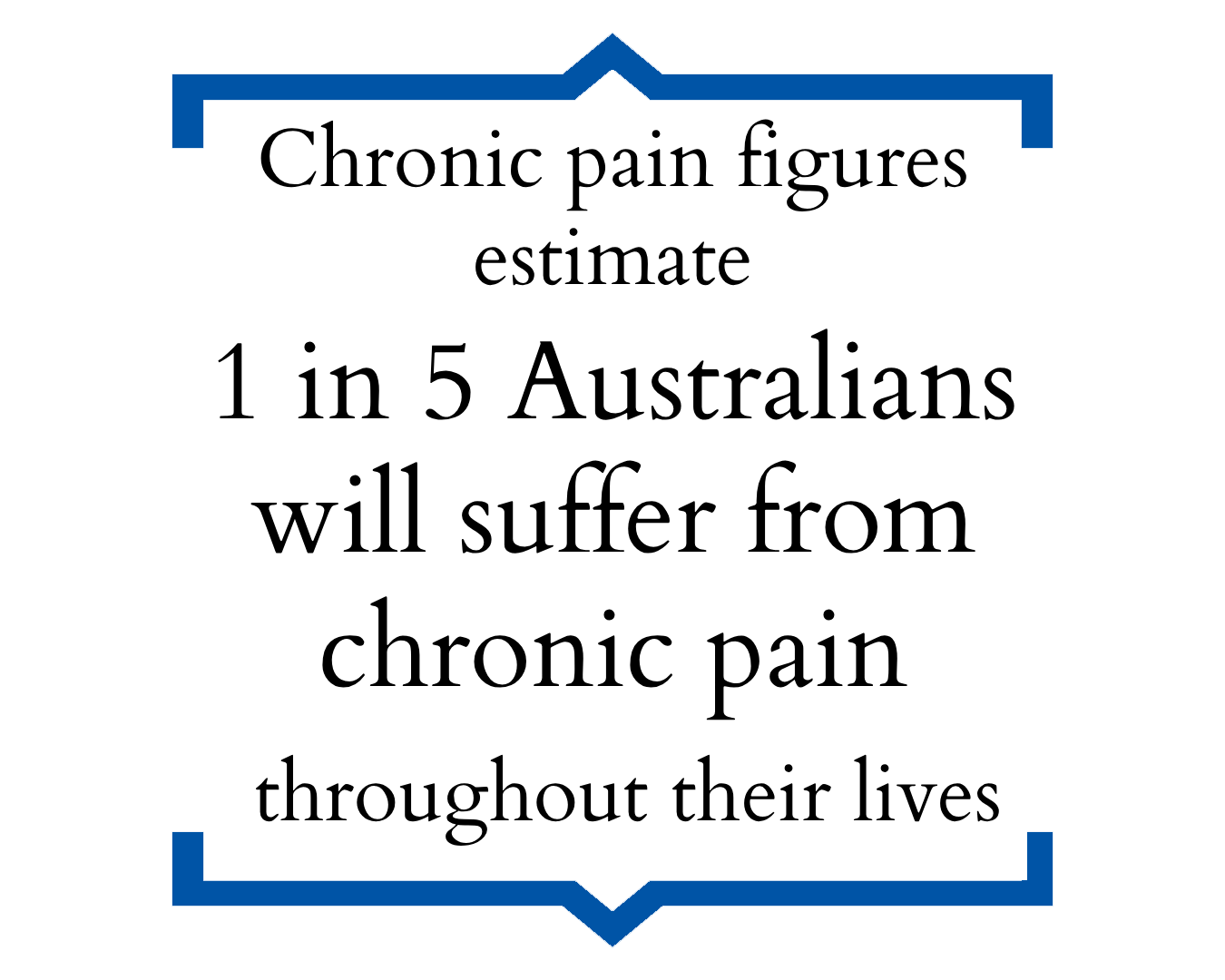
Chronic back pain refers to daily pain persisting for longer than three months and is a leading cause of disability in Australia and worldwide. Chronic pain is reported as Australia’s third most expensive health problem³, with figures estimating 1 in 5 Australians will suffer chronic pain throughout their lives.³ Crucial to effective chronic pain management is early detection and diagnosis.
Chronic back pain symptoms can include:
- Pain
- Spasms
- Stiffness in the back
- Pain, tingling and/or numbness in the legs or feet
Treatment for Back Pain
The most effective way to manage persistent back pain is through multidisciplinary pain management (medicated and non-medicated options) combined with self-management. Medicines prescribed to reduce pain intensity are the most common form of treatment for chronic back pain in the short term. It may also be beneficial to consider acupuncture, weight loss, massage and physiotherapy, as these can all play a role in helping to manage your pain.
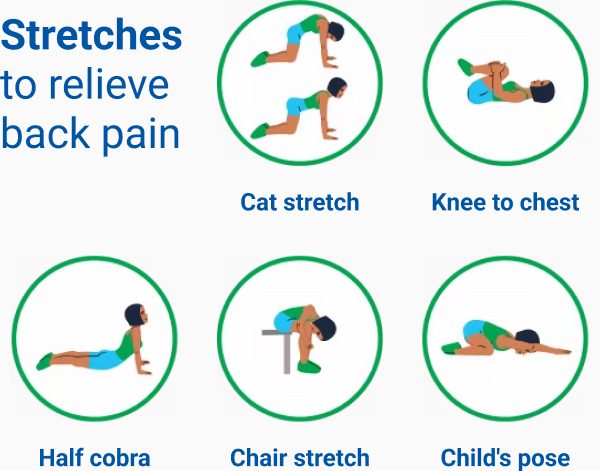
It is important to be actively involved in managing your back pain. This means, rather than only medication or placing a heat pack on the pain area, you should take an active approach incorporating the following tips:



Tips for improving your posture when working from home
Like most Australians affected by the Coronavirus epidemic, many of us have adjusted to changed work and lifestyle conditions, including working from home (WFH).
While this may sound like a simple transition, working long hours without regular office equipment such as standing desks, ergonomic chairs, and large monitors may be impacting our overall posture, and adding pressure or strain to our back.
Practicing better posture habits and making a few slight modifications to a work from home set-up can make all the difference. Read more information below on what you can do at home to improve your posture.
More Information
Posture at Your Desk

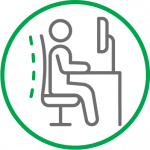
Maintain a gentle sway in your back, bend elbows at 90 degrees, knees should be bent at 90 degrees with feet flat on floor. Position chin parallel to ground, draw chin back and tuck slightly and open your shoulders.
Mouse & Keyboard


Consider purchasing an external mouse and keyboard. If working on a laptop, it’s difficult to maintain correct posture without these additions to aid in mobility.
Lumbar Roll

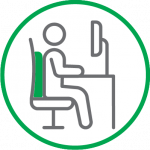
For chairs that don’t have lower back support, it’s crucial to support your lumbar spine with cushioning. Ask your physiotherapist or pharmacist about positioning and use of a lumbar roll.
Screen Position

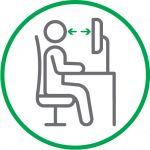
Position your screen at eye level, using a laptop stand, or something to prop it up.
Posture App


Use a posture app. There’s a number of apps you can download that provide tips to help maintain good posture.
Stand up Every Hour

Stand up every hour. Doing this regularly pulls you out of a static position and gets your muscles and joints moving.
Regular Stretching

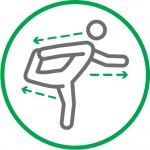
Take regular breaks to stretch using our exercises mentioned above.
At TerryWhite Chemmart, our pharmacists are trained in managing all types of back pain and are here to offer holistic help and support to aid you in managing it.
Contact your local TerryWhite Chemmart pharmacist or GP to find out the pain solution that may be right for you.
How TerryWhite Chemmart can help
Sources:
1https://www.painaustralia.org.au/about-pain/forms-of-pain/back-pain
2https://www.aihw.gov.au/reports/chronic-musculoskeletal-conditions/back-problems/contents/what-are-back-problems
3https://www.sahealth.sa.gov.au/wps/wcm/connect/a61c510049e4d938b3aefb3a89b74631/Advice+for+Managing+Low+Back+Pain-RAH-AlliedHealth-20220301.pdf?MOD=AJPERES&CACHEID=ROOTWORKSPACE-a61c510049e4d938b3aefb3a89b74631-nZcUg.Y
Disclaimers: