





I’m in perimenopause. Why is my skin drier?

Perimenopause is the life stage (usually 4 – 6 years) leading up to the final menstrual period (menopause). Several symptoms are typical during this time, including dry, irritated or itchy skin.1,2 In general, skin that feels more like “winter skin” is reported.
Tracy’s story
Tracy started experiencing perimenopause about two years ago. For her, dry skin has been a major symptom of her perimenopause journey; however, at first it wasn’t clear that perimenopause had begun. This was because her other symptoms were easy to attribute to her lifestyle. “I just thought I was busy; with kids, running around with them. Once I linked it together, it started to make sense,” she says.





Help for dry skin
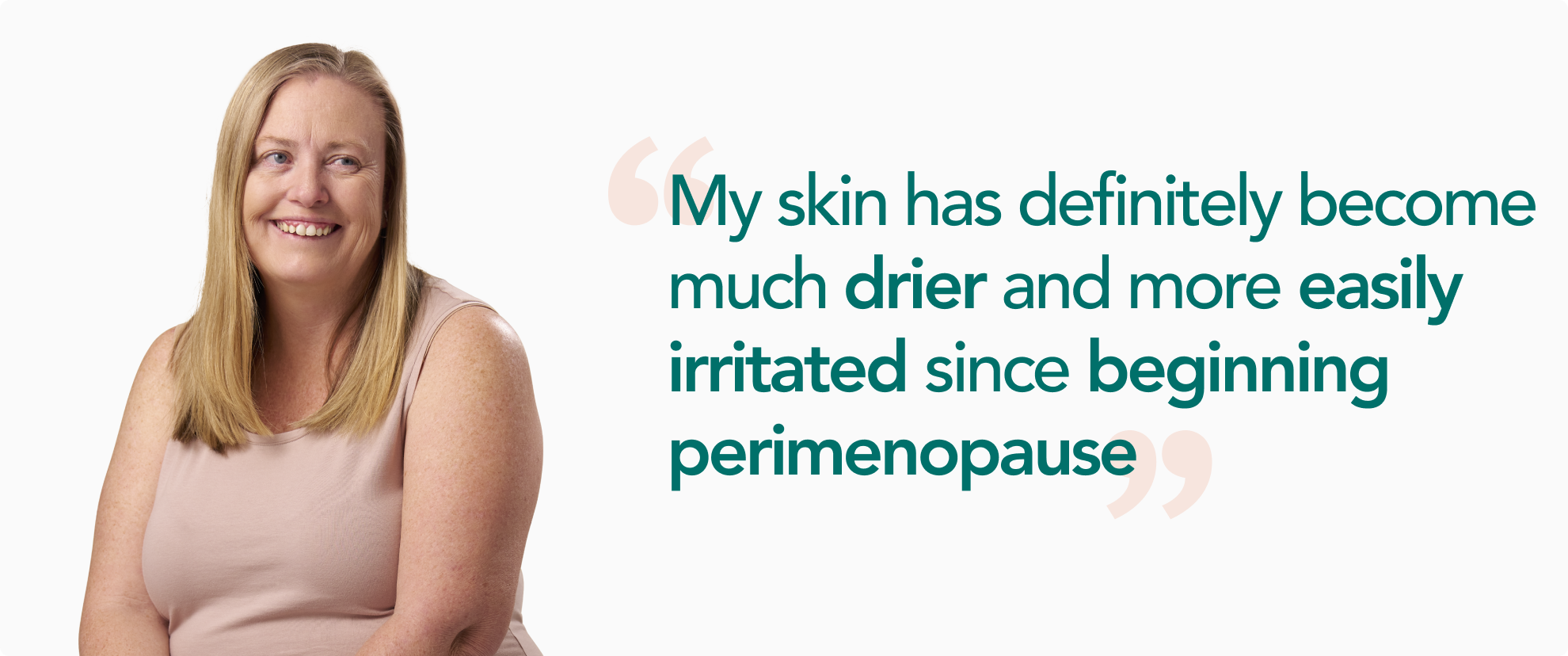
Dry or irritated skin can be more noticeable on particular parts of the body. For Tracy, it mostly affects her arms and hands. “My skin has definitely become much drier and more easily irritated. I now need to pay attention to what I’m using on my skin.”
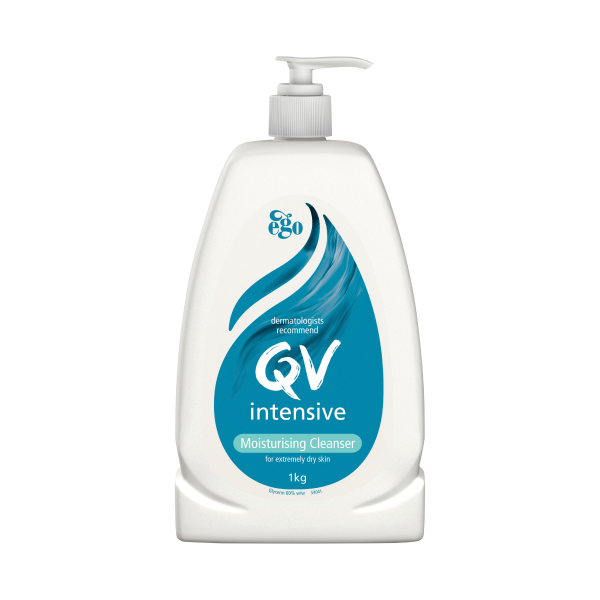
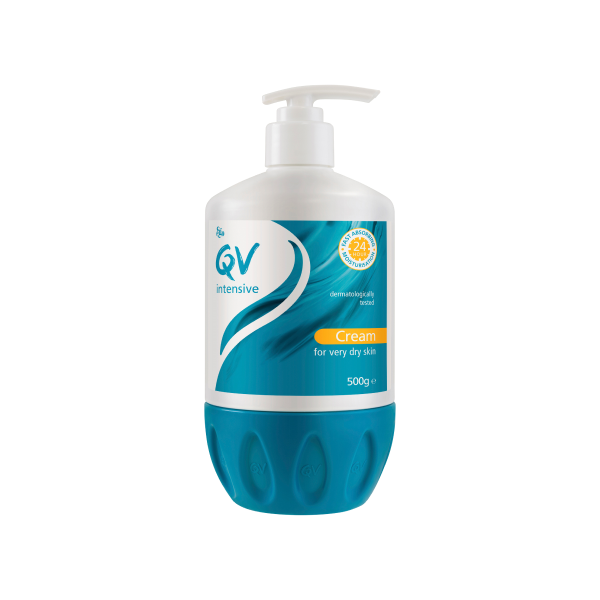
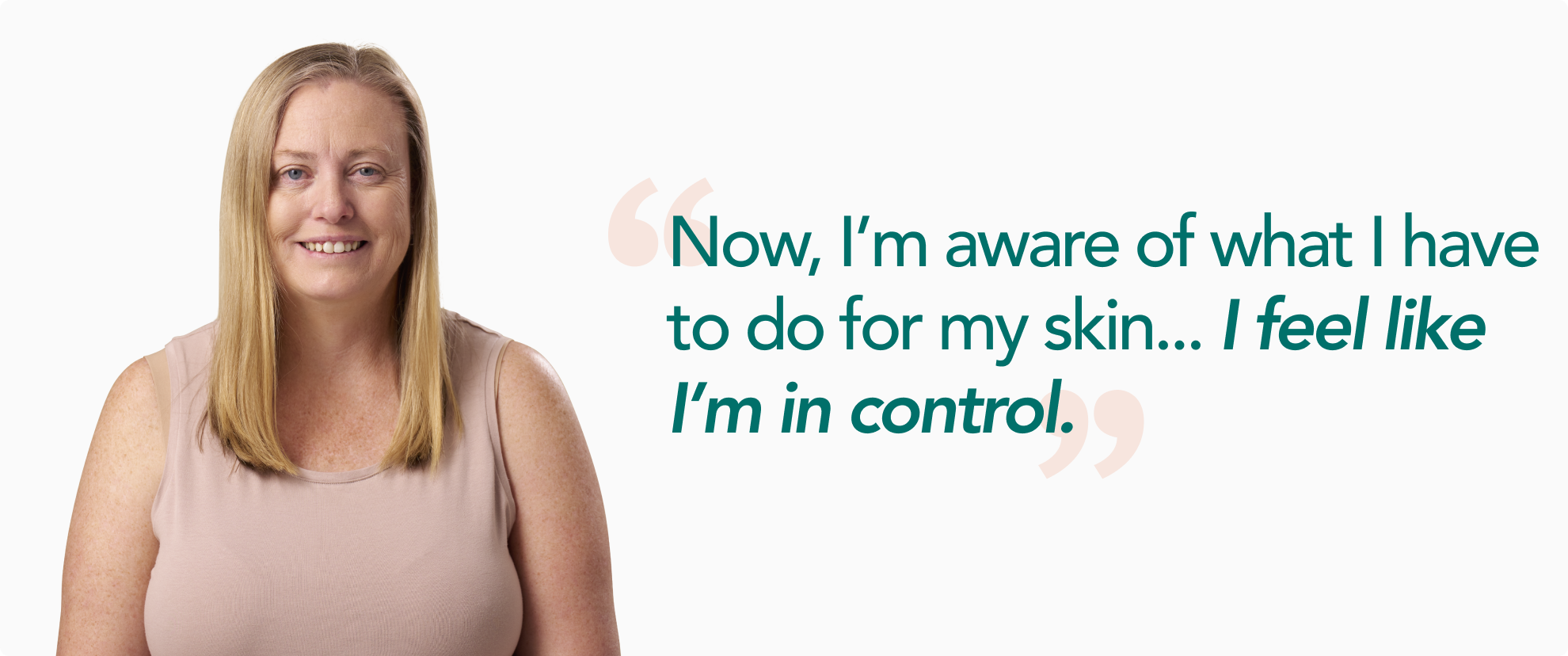
A combination of moisturising cream and hydrating body wash can help manage perimenopausal skin – giving your skin additional instances of hydration, rather than simply relying on a lotion. Daily use is important. Tracy remembers how before perimenopause, she didn’t have a consistent regime. “It wasn’t a routine thing, I did it when I remembered. I definitely need to moisturise more than I used to. Now it’s a daily routine.”
Tip:
Remember that lotions, creams and ointments aren’t exactly the same. Richer, more intense creams may be more helpful, or even ointments if your dry skin is particularly bad.
What about other symptoms of perimenopause?
Mood swings, poor sleep, tiredness, poor concentration, forgetfulness, brain fog, low energy and feeling stressed about things that wouldn’t have been a problem before can all be experienced during perimenopause.
If she could go back in time, Tracy says she’d be more curious about her symptoms and continue to ask for further opinions from her healthcare team. “Why are my symptoms happening?” I would ask myself. “I was just putting it aside and not taking notice of why it was happening. I just thought I was really busy, running around with the kids, just stressed.



Tracy’s tips for perimenopause
- Use moisturising cream plus cleansers and body wash every day
- Form your support team
- Be curious about your symptoms
- Keep asking questions of your healthcare team
- Think of your life experiences holistically when considering your symptoms
- Chat to others about their experiences
- Be there for your friends
What else can I do to help my symptoms?
Keep moving
- This builds lean muscle and helps us maintain our core and balance. This improved strength and balance help prevent falls, which in turn, lowers the risk of fractures as we age
- It’s a mood-booster (exercise creates a natural dopamine hit that makes you feel more positive)
- Combine movement and socialising – try catching up over a walk or making a regular swim session with a friend
Nourish yourself
- Post menopause we need fewer kilojoules each day, so try to focus on nutrient-dense foods full of protein and fibre.
- he Mediterranean diet is a good general example to turn to when you need inspiration (it’s generally low glycaemic index and full of whole grains, legumes, olive oil, fish, seafood, nuts and fruit).
Think long-term
It’s all about the big picture. If you’re feeling a tad overwhelmed, cultivate a habit of naming your emotions, and focusing on what needs are not being met. Instead of “I am the worst, I ruin everything,” try “I’m feeling overwhelmed right now and need a moment to process things.”
Remember that all major changes come with some degree of emotional upheaval. Menopause is a natural time of life, it will pass and there are people and healthcare support which can help you.