




Let’s learn about caring for acne-prone skin
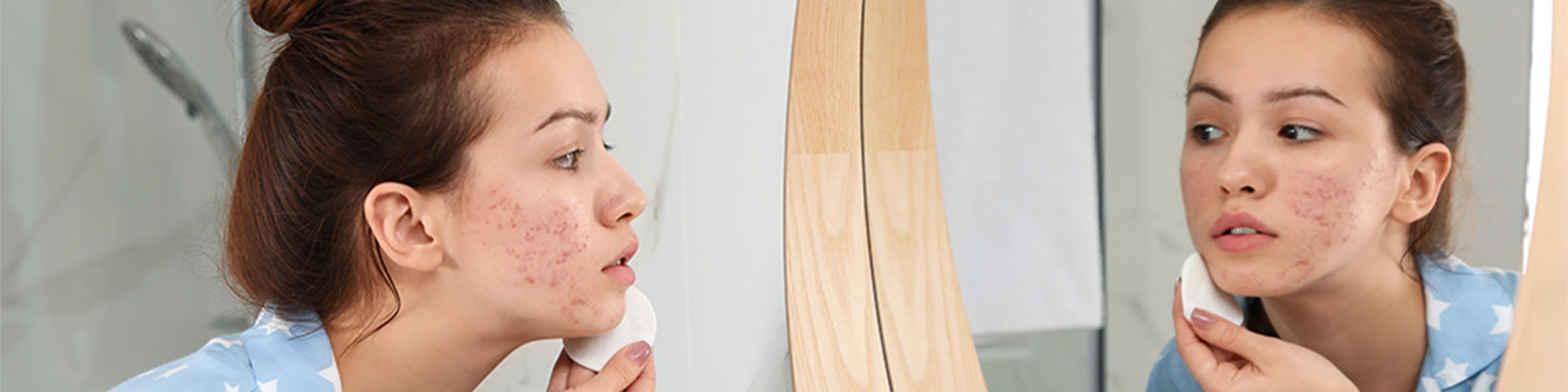
No one asks to have acne, but the fact is that it does affect some 85% of people aged 12-24. Adult acne, pregnancy and stress-related acne are also on the cards for some of us. Knowing how to treat your breakouts starts with understanding what type of acne you have, what to look for in products and who is available for support.
What can acne look like?
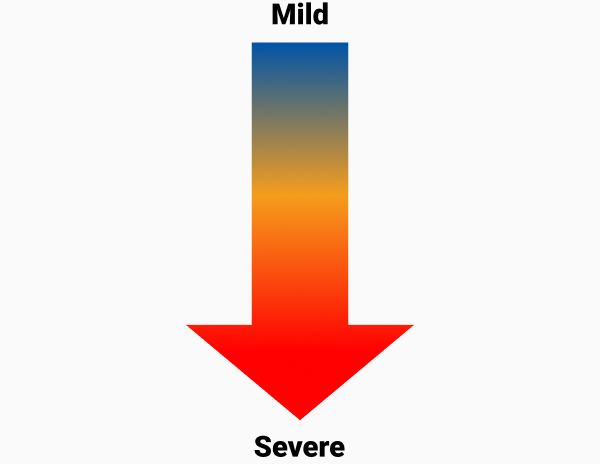
Acne has several different presentations, ranging from mild to severe.

Blackheads
A blocked pore with a dark “plug”
Whiteheads
These are small bumps under the surface of the skin, with a white or yellowish centre
Papules and pustules
Papules look red and inflamed; when they are raised up with pus, they are called pustules
Nodular and cystic acne
Severe acne presenting with nodules and cysts; lesions deep within the skin
Blackheads
A blocked pore with a dark “plug”
Whiteheads
These are small bumps under the surface of the skin, with a white or yellowish centre
Papules and pustules
Papules look red and inflamed; when they are raised up with pus, they are called pustules
Nodular and cystic acne
Severe acne presenting with nodules and cysts; lesions deep within the skin
How can I care for acne-prone skin?
Maintaining a good skincare routine is important. Ask your Pharmacist for advice on choosing products that are correct for you.
Look for a cleanser that is:
- Designed for acne-prone/sensitive skin (it will be gentle)
- Soap free and pH balanced (to avoid drying out your skin)
- Easy to rinse off (so it won't leave residue)
- Free from scrubs/particles (to avoid irritation)
Look for a moisturiser that is:
- Designed for acne-prone/sensitive skin (it will be gentle)
- Non-comedogenic (meaning it won’t block pores)
- Hydrating without oiliness
Look for an SPF 50+ that is:
- Gel, liquid or spray (these are best tolerated by acne-prone skin)
- Non-irritating/hypo-allergenic (to limit the chance of causing a reaction)
- Non-comedogenic
Your Pharmacist may talk to you about these ingredients and natural options to help control mild acne:
- Benzoyl peroxide
- Salicylic acid
- Alpha hydroxy acids
- Azelaic acid
- Glycolic acid
- Zinc
- Tea tree oil
- Colloidal oatmeal
- Vitamin A*

Your toolkit for dealing with acne
Whether for you, a teen or a loved one, there are ways to help relieve the severity of your acne:
- A “can do” attitude – treat acne early, as untreated severe acne can cause scarring
- A simple skincare routine – talk to your Pharmacist to find a cleanser, moisturiser and sunscreen that suit your skin
- Stress management – stress hormones can contribute to breakouts. Tips to limit stress, including exercise, a balanced diet and empathetic social support, go a long way
- Long-term focus – it takes time to know if new products and treatments are effective, wait for 6-8 weeks before coming to a conclusion (if irritation occurs, speak to your Pharmacist)
- Your healthcare team – torecommend appropriate next steps
Who’s in your team?
Take charge of your acne by getting treatment early. Not sure if a doctor’s appointment is necessary? Listen to your gut: If your acne is negatively impacting on your quality of life and self-esteem, it’s time to make an appointment. Here’s how your team can help:
PHARMACIST – Your Pharmacist can suggest over-the-counter creams and cleansers for mild acne.
GP – If further help is needed, your GP can prescribe certain creams and tablets, including retinoids and antibiotics.
DERMATOLOGIST – Following a GP referral, your dermatologist can prescribe specialised medicines for severe acne.
Sources:
- https://www.healthdirect.gov.au/acne#symptoms
- https://dermnetnz.org/topics/nodulocystic-acne
- https://www.healthdirect.gov.au/acne
- https://www.betterhealth.vic.gov.au/health/conditionsandtreatments/acne#self-help-strategies-for-acne
- https://acne.org.au/wp-content/uploads/2020/02/skincare-checklist.pdf
- https://acne.org.au/questions/
- https://acne.org.au/articles/the-science-behind-managing-a-pimple/
- https://acne.org.au/treatments/complementary-therapies/
- https://www.healthdirect.gov.au/acne
* Vitamin A/retinoids are not recommended during pregnancy, talk to your doctor for alternative solutions during this time
Sunscreens are only one part of sun protection. Prolonged high-risk sun exposure should be avoided. Frequent re-application or use in accordance with directions is required for effective sun protection.