





Acne
Most of us who have gone through puberty will be familiar with pimples or acne – infected red spots or painful bumps, that are often around the face, neck shoulders and chest*.
Acne (aka ‘acne vulgaris) is a very common inflammatory skin condition, affecting around 85% of Australians at some point in their life, with 5% experiencing severe acne#.
Acne often occurs during periods of hormonal change (such as puberty), however other contributing factors such as genetics, stress and diet∞ play a part too.
Acne is not just painful but can affect a person’s self-esteem, and in some cases may result in permanent physical scarring.
There are a range of treatments available to help treat acne, however it’s important to understand those which are effective and safe. For this reason, it’s extremely important to seek the help of a health professional when managing acne or other skin conditions.
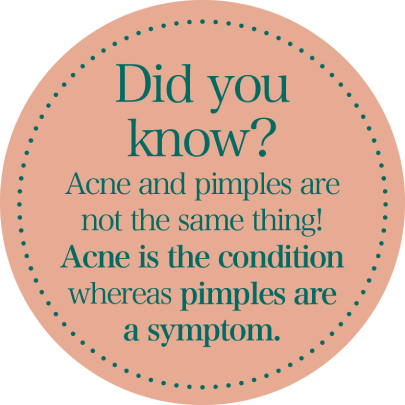
What is the difference between acne and pimples?
Acne is the condition, whereas pimples are a symptom.2

Explore acne topics below
How does acne form?
Our skin is covered in millions of tiny pores that sit at the base of our hair follicles1. Acne occurs when our pores become blocked with an excess of an oily substance, called ‘sebum’ which helps keep our skin waterproof (sebum is produced by the sebaceous gland connected to our pores).
When too much sebum is produced and mixes with dead skin cells, it can form a ‘plug’ beneath the skin’s surface where bacteria multiplies and causes swelling, redness and infection (pus) beneath the blockage∞. This is the pimple appearing.
Acne is different for each person who experiences it and can produce different symptoms or blemishes, depending on the stage of the cycle. Symptoms can include one or more of the following#:
Cystic acne
This is the most serious type of acne, developing when cysts form deep under the skin, appearing as large boils or pus-filled cysts3.
This type of acne tends to be largest in size and deeper within the skin, whereas other types of acne look to rest on the skin’s surface, rather than deep within it.
Cystic acne tends to develop in people with oiler skin, and due to it’s severity can be difficult or not possible to manage with over-the-counter (OTC) treatments3.
If you think you may have cystic acne, it’s best to see a GP or dermatologist who can assess your skin, and prescribe the medication necessary, or combination therapies, needed to help clear your skin.

Whiteheads
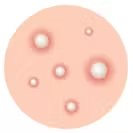
a sebum build-up behind the plug with a white tip that hasn’t opened into the skin. Surrounding skin usually isn’t inflamed or red.

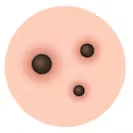
Blackheads
A non-inflamed collection of dead cells blocking the pore that sit at the skin’s surface and may appear like a black tip (note: this is not dirt, just discolouration).

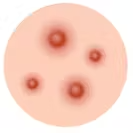
Papules
When a clogged pore becomes infected, it creates a small, pink raised bump on the skin, normally causing the surrounding area to become inflamed, red and sensitive.

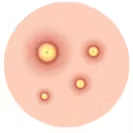
Pustules
It takes a few days for a papule to fill with pus, which appears as a white or yellow tip on top of the pore. The pustule is the ‘classic pimple’.

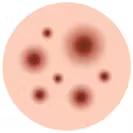
Cysts or nodules
When infection worsens, hardened tissue and pus can cause lumps deeper in the skin and can be very painful.

Scars
Following acne, pockmarked (a depressed scar) and sometimes darkened areas of skin that can remain after pustules have healed. Many cases of acne don’t result in scarring, however in severe and advanced cases, acne scaring can be permanent and disfiguring.
Whiteheads
A sebum build-up behind the plug with a white tip that hasn’t opened into the skin. Surrounding skin usually isn’t inflamed or red.
Blackheads
A non-inflamed collection of dead cells blocking the pore that sit at the skin’s surface and may appear like a black tip (note: this is not dirt, just discolouration).
Papules
When a clogged pore becomes infected, it creates a small, pink raised bump on the skin, normally causing the surrounding area to become inflamed, red and sensitive.
Pustules
It takes a few days for a papule to fill with pus, which appears as a white or yellow tip on top of the pore. The pustule is the ‘classic pimple’.
Cysts or nodules
When infection worsens, hardened tissue and pus can cause lumps deeper in the skin and can be very painful.
Scars
Following acne, pockmarked (a depressed scar) and sometimes darkened areas of skin that can remain after pustules have healed.
Many cases of acne don’t result in scarring, however in severe and advanced cases, acne scaring can be permanent and disfiguring.
Tara's story
Tara has had acne for around six years, since her early teens. She finds her acne is flared up by diet and from the near constant mask-wearing required by her nursing studies. “When it’s bad, I just want to fast-forward to when it clears up. I feel like I’m just waiting for it to move on, whereas you should live in the moment.”
In general, Tara’s acne isn’t as much of a focus for her as it used to be. However, she’s found that receiving unsolicited advice or comments brings it back. She remembers how during lockdown she hadn’t seen friends for a long time, and they immediately pointed out how her acne had gotten worse.



What causes acne?
While there’s no exact known cause, a number of contributing risk factors can trigger or worsen acne, including2:
Hormonal changes or increases - e.g. menstruation, pregnancy, and puberty
Certain medications - Such as birth control or corticosteroids
Diet - An unhealthy diet high in refined sugars, fats or carbohydrates
Genetics - Having parents who had acne can increase the chances of developing acne
Trauma to the area - Squeezing or picking existing pimples or scrubbing your skin too vigorously
Weather - High humidity can worsen acne
Cosmetics - Certain oil-based products such as sunscreen, makeup and hair products can flare up acne
Why shouldn’t you pop pimples?
It might be tempting to pop a pimple when it makes its way to the surface of your skin, but this should be avoided at all costs.
Squeezing a pimple or touching your face breaks the skin barrier (which can allow other bacteria in), and can force bacteria and pus deeper into your pores, causing the area to become more irritated and inflamed1.
The area around a popped pimple area will often scab, and this trauma may result in scarring. Trauma to a pimple (such as picking, poking and squeezing) can also turn a pimple into a boil (a painful, pus-filled bump under skin), which can be very painful.
So, remember not to touch!
Tara’s skincare toolkit
When her acne flares up, Tara goes back to her routine and makes sure she sticks to it. These are her strategies:
- Reduce stress
- Stay with products that work
- Keep skincare simple
- Maintain healthy habits
- Prioritise sleep
- Eat well
- Exercise




How to treat or prevent acne
There are a number of effective treatment options available at pharmacy (some may require a GP prescription) to help prevent, treat and clear up acne∞2.
- Medications (OTC or prescription) containing ingredients that can kill bacteria or help to exfoliate skin and keep pores clear (such as benzoyl peroxide, sulfur, and salicylic acid)
- Oral or topical antibiotics may be used short-term to kill bacteria that cause pimples, and reduce inflammation
- Prescription topical creams, lotions or gels (e.g. retinoic acid or prescription-strength benzoyl peroxide) are often stronger than OTC creams, and some are available as oral tablets
- Some birth control pills or spironolactone can be used to treat women with hormonal acne by helping to regulate hormones
There are also a number of other alternative lifestyle changes and at-home care options to help prevent and manage acne:
- Avoid squeezing pimples or touching your face
- Wash face daily with a mild facial cleanser and warm water to remove excess dirt and oil
- Maintain a healthy, balanced diet and cut down/eliminate dairy or foods high in glycemic load (ie. Aim for a low GI diet)
- Shampoo hair regularly and keep it off face
- Look for oil-free, non-perfumed and water-based makeup, sunscreen and moisturisers, or makeup labelled ‘noncomedogenic’ (non pore-clogging)
- Skin treatments such as dermabrasion and chemical peels may help to improve acne scarring by removing dead skin cells or the top layers of skin4
How to treat or prevent acne
There are a number of effective treatment options available at pharmacy (some may require a GP prescription) to help prevent, treat and clear up acne∞2.
- Medications (OTC or prescription) containing ingredients that can kill bacteria or help to exfoliate skin and keep pores clear (such as benzoyl peroxide, sulfur, and salicylic acid)
- Oral or topical antibiotics may be used short-term to kill bacteria that cause pimples, and reduce inflammation
- Prescription topical creams, lotions or gels (e.g. retinoic acid or prescription-strength benzoyl peroxide) are often stronger than OTC creams, and some are available as oral tablets
- Some birth control pills or spironolactone can be used to treat women with hormonal acne by helping to regulate hormones
There are also a number of other alternative lifestyle changes and at-home care options to help prevent and manage acne:
- Avoid squeezing pimples or touching your face
- Wash face daily with a mild facial cleanser and warm water to remove excess dirt and oil
- Maintain a healthy, balanced diet and cut down/eliminate dairy or foods high in glycemic load (ie. Aim for a low GI diet)
- Shampoo hair regularly and keep it off face
- Look for oil-free, non-perfumed and water-based makeup, sunscreen and moisturisers, or makeup labelled ‘noncomedogenic’ (non pore-clogging)
- Skin treatments such as dermabrasion and chemical peels may help to improve acne scarring by removing dead skin cells or the top layers of skin4
How long does it take to clear acne?
Acne can sometimes go away on its own with time (but be prepared to wait sometimes several years). For those looking for a more immediate solution, there are lots of different treatment options available.
The good news is that most acne treatment is successful, with people normally seeing results in around six to eight weeks. Because everyone’s skin is unique, it can take trial and error to find the right combination of products for the best outcome.
It’s important to be patient and remember there are a range of options available that your pharmacist can assist you with.
When to get help for acne
If you are experiencing regular breakouts or your skin is affecting your self-esteem, you may want to speak with your GP or a dermatologist who can assess your skin, and determine the best treatment plan for you. Acne is a medical condition, so it is best to have it treated by a medical professional rather than a beauty therapist.
How TerryWhite Chemmart can help
Your TerryWhite Chemmart Pharmacist is available to help you manage your acne day-to-day, using a holistic approach combining treatments with lifestyle changes.
If you are experiencing emotional distress or discomfort, consider asking your GP for a referral to a dermatologist, who can inform you about additional treatment options.
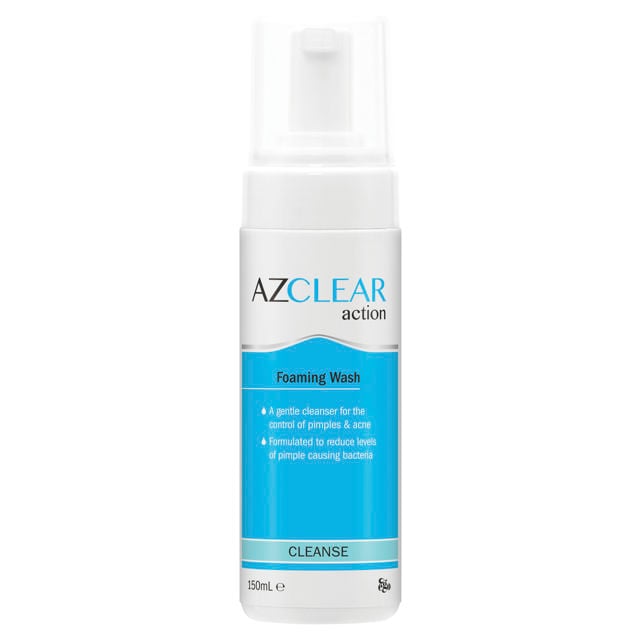
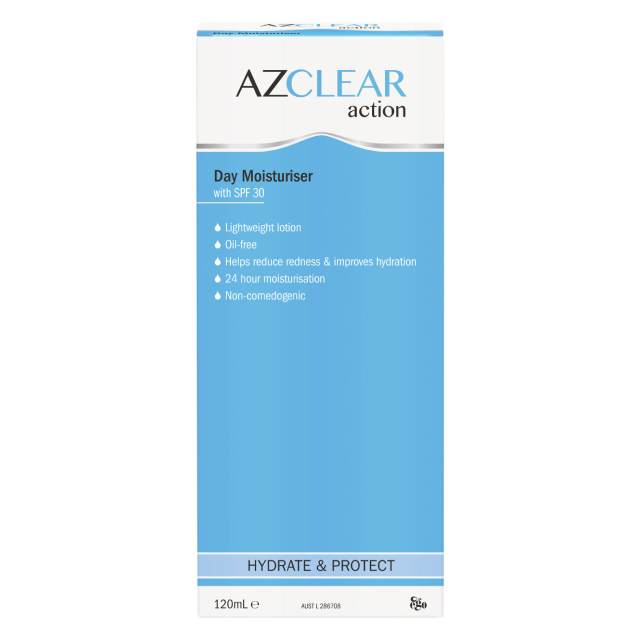
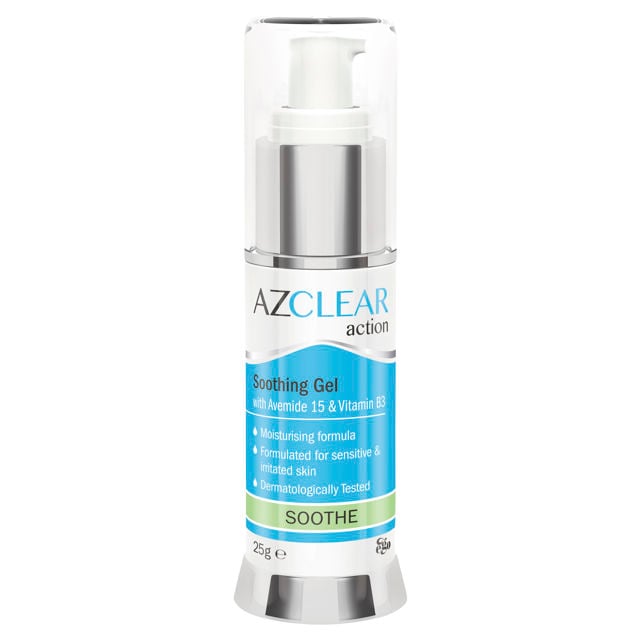
Products that may help
Always read the label and follow the directions of use



Disclaimer
General advice only – this information should not replace the information provided to you by your health care professional. If symptoms are severe or persist, please speak to your health care professional. Information current as of date of publishing.
References