






How the sun damages your skin – and what to do about it

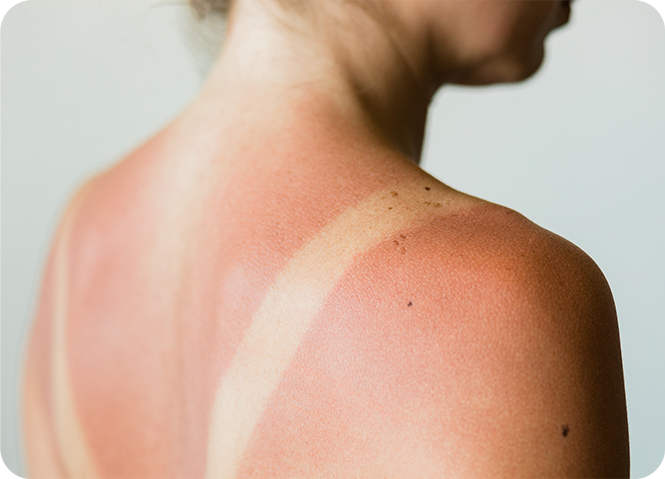
Living in Australia, we all know what sunburn feels like – red, irritated, sensitive skin which heals after a few days. This pain may be temporary, but the long-term impacts of sun-damaged skin can show up later as wrinkles, discolouration, blotchiness and age spots. In fact, up to 90 percent of visible changes to the skin over time are a result of sun exposure – not age itself.¹ Understanding how this happens, and how to protect yourself, can help maintain healthier, more youthful skin.
What causes skin damage?
Sun damage is largely caused by prolonged exposure to ultraviolet (UV) rays, which can be classed as UVA and UVB. UVB rays penetrate the top layer of the skin, causing sunburn and surface-level blemishes. UVA rays go deeper into the skin’s proteins and membranes, contributing to wrinkling and rapid ageing of the skin. Both types of UV rays can damage the skin’s DNA and lead to cancer, including melanoma.² ³

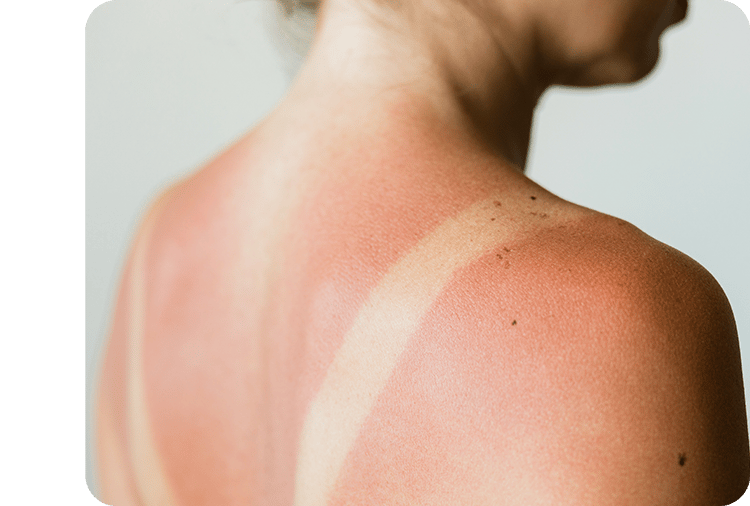
Living in Australia, we all know what sunburn feels like – red, irritated, sensitive skin which heals after a few days.
This pain may be temporary, but the long-term impacts of sun-damaged skin can show up later as wrinkles, discolouration, blotchiness and age spots.
In fact, up to 90 percent of visible changes to the skin over time are a result of sun exposure – not age itself.¹

Understanding how this happens, and how to protect yourself, can help maintain healthier, more youthful skin.
What causes skin damage?
Sun damage is largely caused by prolonged exposure to ultraviolet (UV) rays, which can be classed as UVA and UVB.
UVB rays penetrate the top layer of the skin, causing sunburn and surface-level blemishes. UVA rays go deeper into the skin’s proteins and membranes, contributing to wrinkling and rapid ageing of the skin.
Both types of UV rays can damage the skin’s DNA and lead to cancer, including melanoma.² ³

What are some signs of damaged skin?
Premature ageing
UV rays break down collagen and elastin fibres in the skin, leading to saggy and leathery skin. This results in wrinkles, fine line, and general loss of skin elasticity.¹
Melasma
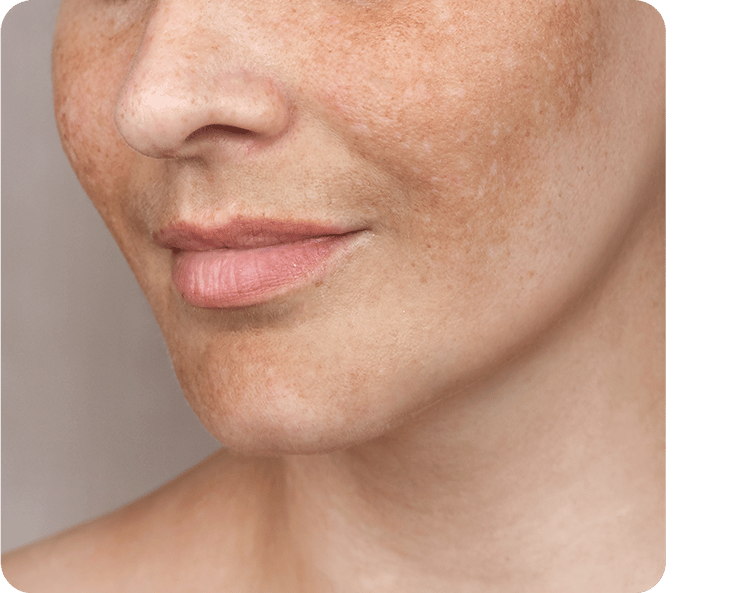
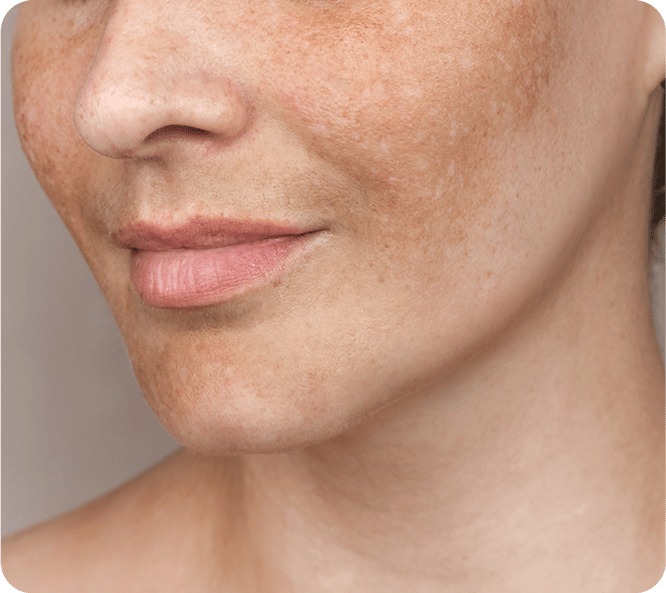
UV rays also affect the cells which control pigmentation, which can lead to melasma – brownish coloured patches which typically appear on the cheeks, forehead, nose and chin.⁴
Uneven skin tone
Blotchy or mottled skin, also known as ‘hyperpigmentation’, is a common symptom of sun exposure. Excessive sun can also permanently affect small blood vessels, leading to red patches.⁵ ⁶

What are some signs of damaged skin?
Premature ageing
UV rays break down collagen and elastin fibres in the skin, leading to saggy and leathery skin. This results in wrinkles, fine line, and general loss of skin elasticity.¹
Melasma
UV rays also affect the cells which control pigmentation, which can lead to melasma – brownish coloured patches which typically appear on the cheeks, forehead, nose and chin.⁴
Uneven skin tone
Blotchy or mottled skin, also known as ‘hyperpigmentation’, is a common symptom of sun exposure. Excessive sun can also permanently affect small blood vessels, leading to red patches.⁵ ⁶
Freckles and ‘age spots’
You aren’t born with freckles – they’re caused by the pigment in cells becoming darker due to sun exposure. Similarly, ‘age spots’ (flat, brown or black spots on the skin) are primarily caused by UV rays increasing melanin production.⁷ ⁸
Enlarged blood vessels
When elastin fibres are broken down by sun exposure, they can no longer hold blood vessels taut, so they enlarge (or sag). They then become visible as red, ‘spider’ veins, usually around the nose and cheeks.⁵
It’s important to remember these signs of sun damage can be more than cosmetic, increasing your risk of certain cancers, including melanoma.⁷

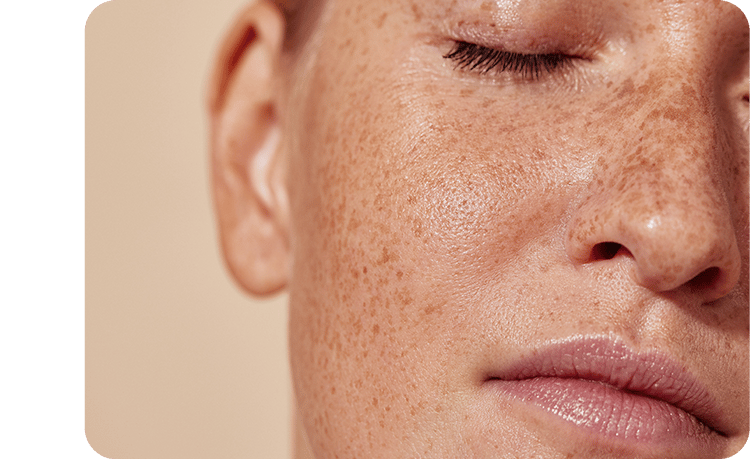

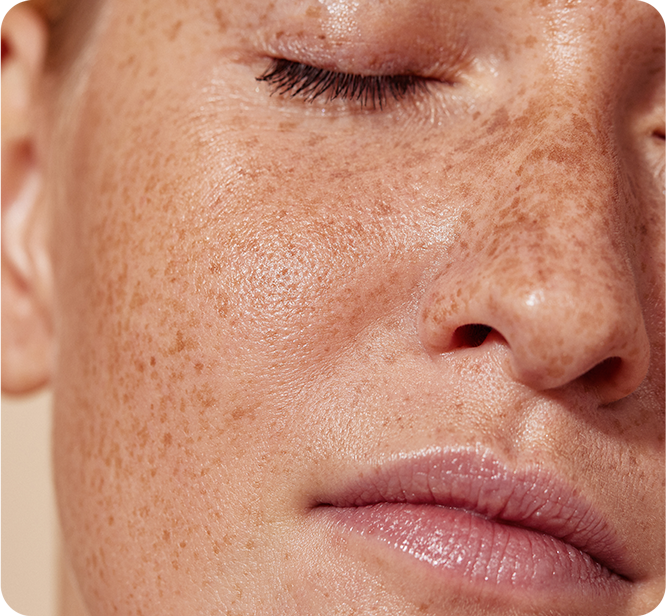
Freckles and ‘age spots’
You aren’t born with freckles – they’re caused by the pigment in cells becoming darker due to sun exposure. Similarly, ‘age spots’ (flat, brown or black spots on the skin) are primarily caused by UV rays increasing melanin production.⁷ ⁸
Enlarged blood vessels
When elastin fibres are broken down by sun exposure, they can no longer hold blood vessels taut, so they enlarge (or sag).
They then become visible as red, ‘spider’ veins, usually around the nose and cheeks.⁵
It’s important to remember these signs of sun damage can be more than cosmetic, increasing your risk of certain cancers, including melanoma.⁷

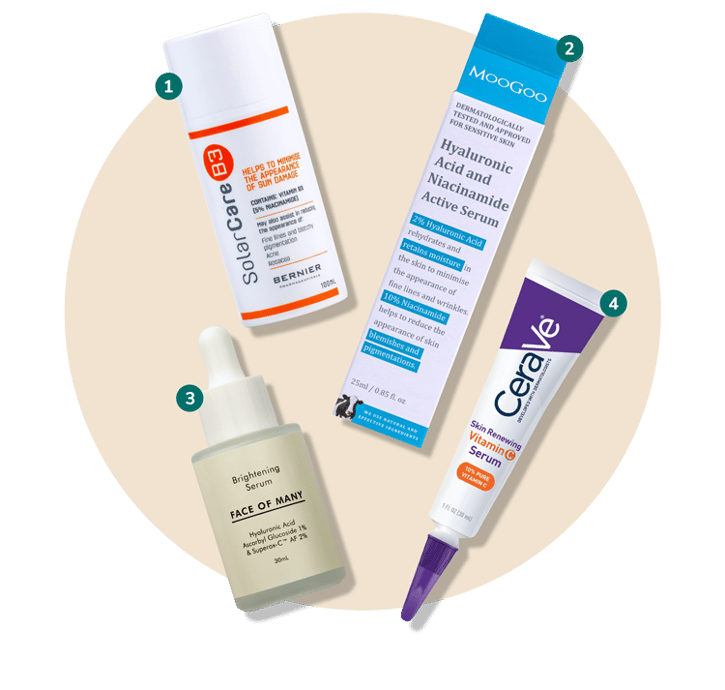
1 SolarCareB3 Pump 100ml
2 MooGoo Hyaluronic Acid with Niacinamide 25ml
3 Face of Many Brightening Serum 30ml
4 Cerave Skin Renewing Vitamin C 30ml
Treatment
As well as limiting sun exposure and remembering to slip, slop, slap, applying certain products to your skin can help minimise the visible signs of damage. Look for products which contain these ingredients:
Niacinamide (Vitamin B3):
This improves the skin barrier function, making it more resilient to UV damage.
Vitamin C
Known for its brightening properties, Vitamin C helps reduce the appearance of dark spots and enhances collagen production.
Antioxidants
Products containing antioxidants like Vitamin E can help neutralise free radicals, reducing oxidative stress on the skin.
Sun care
Enjoying the sun is part of life, but focusing on protection while incorporating products into your daily skincare routine can keep your skin looking happier too
To find out more tips on protecting your skin from sun damage, click HERE.
Treatment
As well as limiting sun exposure and remembering to slip, slop, slap, applying certain products to your skin can help minimise the visible signs of damage. Look for products which contain these ingredients:
Niacinamide (Vitamin B3):
This improves the skin barrier function, making it more resilient to UV damage.

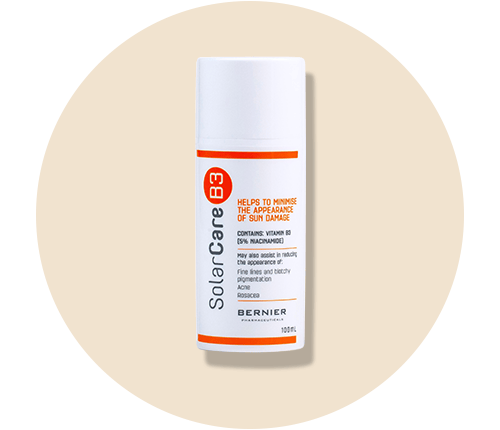
SolarCareB3 Pump 100ml

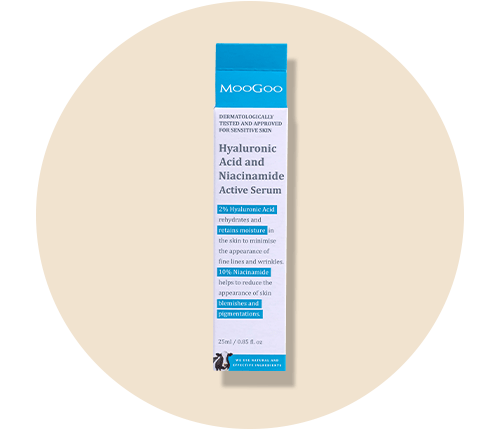
MooGoo Hyaluronic Acid with Niacinamide 25ml
Vitamin C
Known for its brightening properties, Vitamin C helps reduce the appearance of dark spots and enhances collagen production.

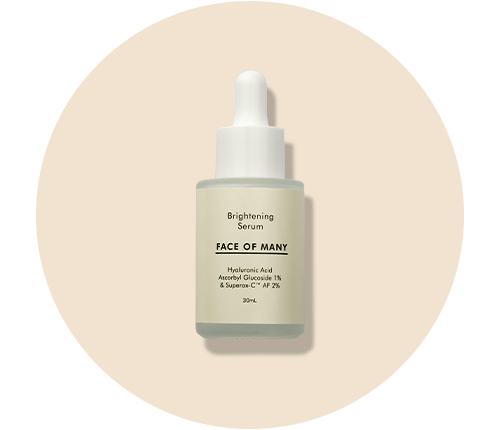
Face of Many Brightening Serum 30ml

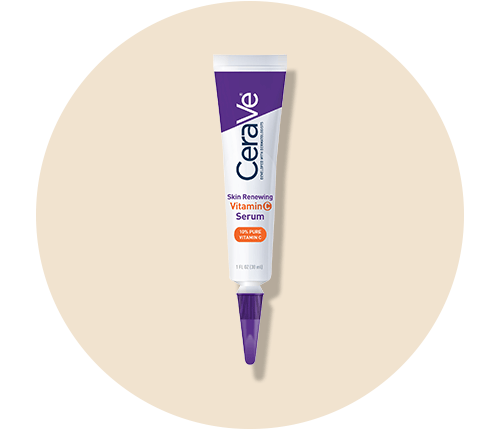
Cerave Skin Renewing Vitamin C 30ml
Antioxidants
Products containing antioxidants like Vitamin E can help neutralise free radicals, reducing oxidative stress on the skin.
Sun care
Enjoying the sun is part of life, but focusing on protection while incorporating products into your daily skincare routine can keep your skin looking happier too!
To find out more tips on protecting your skin from sun damage, click HERE.