






How is diabetes linked to dry eye?



Did you know one of the most common conditions linked to diabetes is dry eye syndrome (DES)? In fact, some research suggests up to half of people living with diabetes also experience frequent dry eye.¹
Having dry eyes is common among people with diabetes as high blood sugar levels can damage the intricate nerves in your eyes, leading to decreased tear production. It can also impact the glands which control the quantity and quality of tears you produce.²
Diabetes also affects the oil glands in our eyelids, and in turn moisture levels, as those glands stop tears from evaporating too quickly after blinking.³
Typical symptoms of dry eye include stinging, burning or itchy sensations, as well as redness, increased sensitivity to light or wind, and excessive tearing – one of the most common yet overlooked symptoms.
While these symptoms may sound like an annoyance more than anything, dry eye can lead to permanent damage like corneal scarring, or even vision loss, if not properly treated.
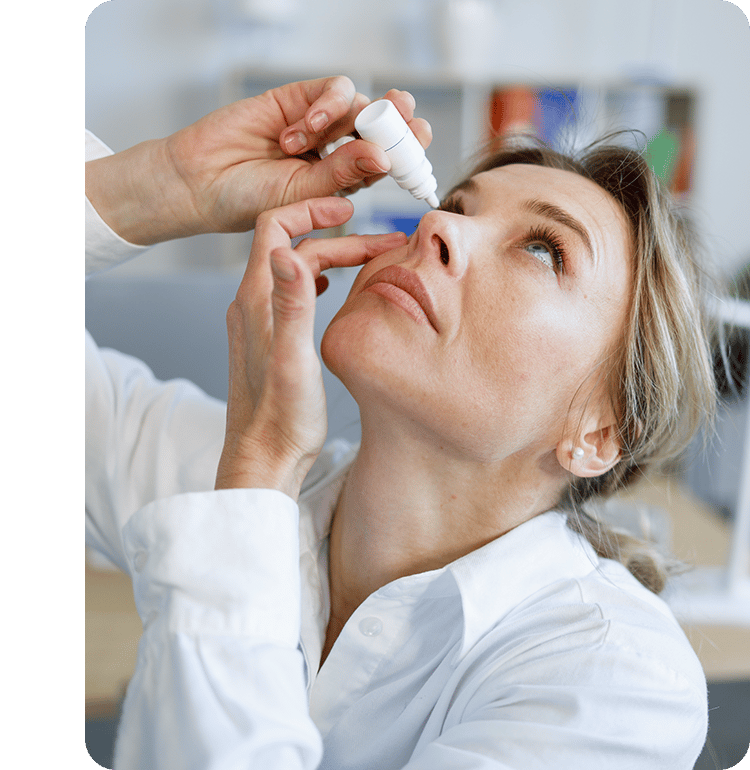
For people living with diabetes and experiencing DES, artificial tears (eye drops) are a great way to supplement natural tear production.
Did you know one of the most common conditions linked to diabetes is dry eye syndrome (DES)? In fact, some research suggests up to half of people living with diabetes also experience frequent dry eye.¹
Having dry eyes is common among people with diabetes as high blood sugar levels can damage the intricate nerves in your eyes, leading to decreased tear production. It can also impact the glands which control the quantity and quality of tears you produce.²
Diabetes also affects the oil glands in our eyelids, and in turn moisture levels, as those glands stop tears from evaporating too quickly after blinking.³


Typical symptoms of dry eye include stinging, burning or itchy sensations, as well as redness, increased sensitivity to light or wind, and excessive tearing – one of the most common yet overlooked symptoms.
While these symptoms may sound like an annoyance more than anything, dry eye can lead to permanent damage like corneal scarring, or even vision loss, if not properly treated.
For people living with diabetes and experiencing DES, artificial tears (eye drops) are a great way to supplement natural tear production.
Some common types of eye drops include:
Lubricating eye drops
Provide quick hydration and relief for general dry eye symptoms
Lipid-based eye drops
Help replenish the tear film’s oily layer, preventing tear evaporation and keeping your eyes comfortable longer
Gel drops
Have a thicker consistency and are excellent for overnight use or more severe symptoms
Preservative-free eye drops
Suitable for frequent use, these drops are gentler and less likely to cause irritation
There are also some self-treatment strategies you can use, such as blinking more often, avoiding exposure to wind, using a humidifier to moisturise the air, and taking regular breaks from your computer or phone.


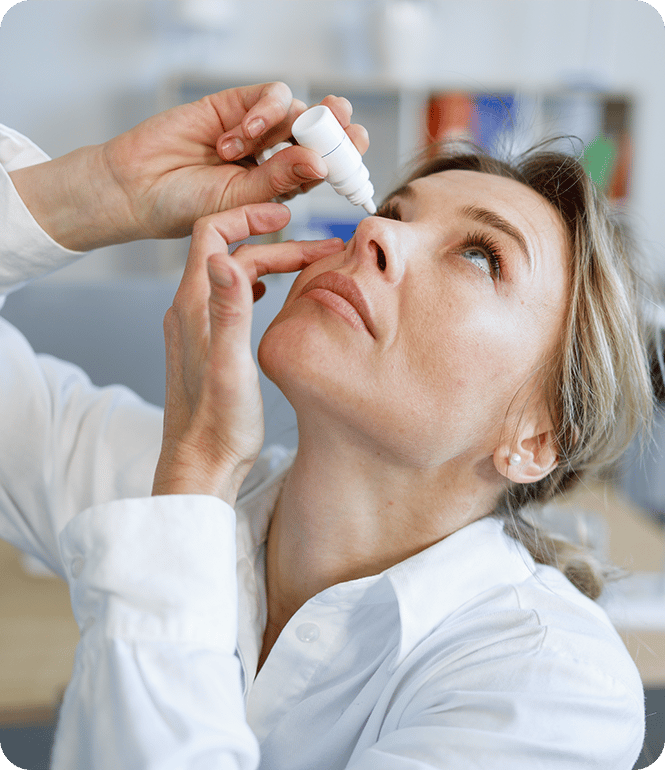
Some common types of eye drops include:
Lubricating eye drops
Provide quick hydration and relief for general dry eye symptoms
Lipid-based eye drops
Help replenish the tear film’s oily layer, preventing tear evaporation and keeping your eyes comfortable longer
Gel drops
Have a thicker consistency and are excellent for overnight use or more severe symptoms
Preservative-free eye drops
Suitable for frequent use, these drops are gentler and less likely to cause irritation
There are also some self-treatment strategies you can use, such as blinking more often, avoiding exposure to wind, using a humidifier to moisturise the air, and taking regular breaks from your computer or phone.