





What’s the connection between hayfever, eczema, asthma and migraines?

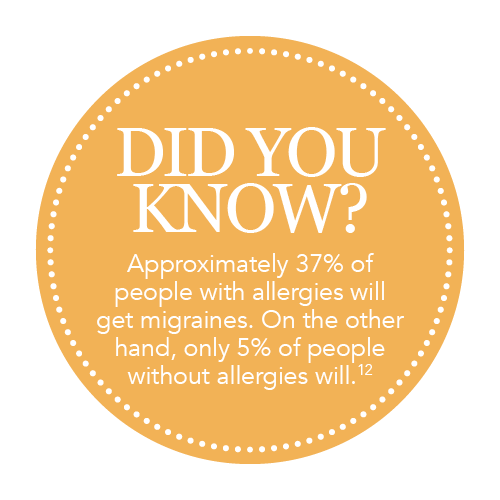
If you have these conditions in your extended family, it’s not necessarily a coincidence. They are interconnected allergic conditions7 which involve an overreaction of the immune system to certain allergens. In addition, asthma is a risk factor for migraine (and vice versa)8 and a link is thought to exist between eczema and migraines.9,10



Ruda Dhahir
TerryWhite Chemmart Pharmacist
Narrellan Town Centre, NSW
If you have these conditions in your extended family, it’s not necessarily a coincidence. They are interconnected allergic conditions7 which involve an overreaction of the immune system to certain allergens. In addition, asthma is a risk factor for migraine (and vice versa)8 and a link is thought to exist between eczema and migraines.9,10

Ruda Dhahir
TerryWhite Chemmart Pharmacist
Narrellan Town Centre, NSW
The role of inflammation
These conditions are all caused to a certain extent by the effect of inflammation on the body. Here are some points to know:
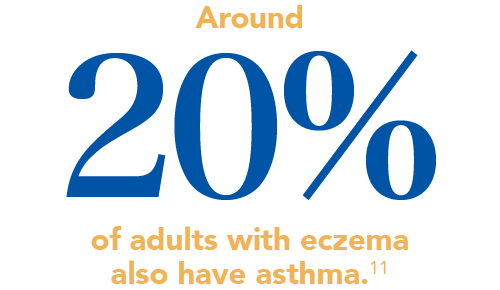
- When the immune system is in overdrive, it leads to inflammation in related areas of the body: the nasal passages (hayfever), skin (eczema) and airways (asthma).
- Inflammation in one area can increase the likelihood of inflaming another.
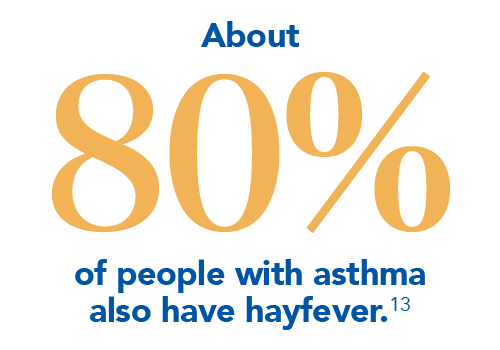
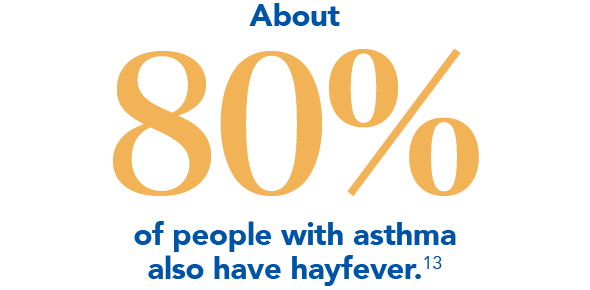
- In fact, 4 in 5 people with asthma also have hayfever1 and up to 40% of babies with eczema and a family history of allergy will develop asthma or hayfever.2
- Eczema is more common if close relatives have asthma or hayfever.3


The role of inflammation
These conditions are all caused to a certain extent by the effect of inflammation on the body. Here are some points to know:
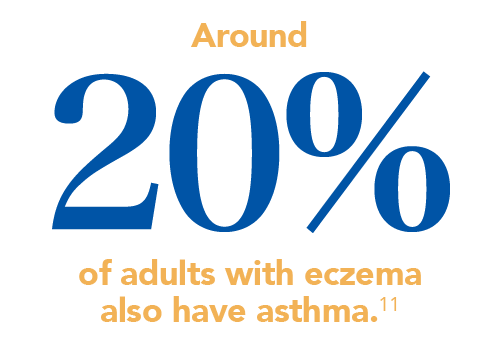
- When the immune system is in overdrive, it leads to inflammation in related areas of the body: the nasal passages (hayfever), skin (eczema) and airways (asthma).
- Inflammation in one area can increase the likelihood of inflaming another.
- In fact, 4 in 5 people with asthma also have hayfever1 and up to 40% of babies with eczema and a family history of allergy will develop asthma or hayfever.2
- Eczema is more common if close relatives have asthma or hayfever.3

What can I do?
Notice your triggers
Allergies associated with both asthma and eczema may trigger a flare-up of symptoms. Allergen testing can help if you are not sure what your triggers are or feel you may have multiple triggers.
Reduce exposure
Tips include avoiding allergens and irritants (hayfever and asthma), washing in warm, not hot, water (eczema) and reducing stress (which can exacerbate allergic conditions and migraines).

What can I do?
Notice your triggers
Allergies associated with both asthma and eczema may trigger a flare-up of symptoms. Allergen testing can help if you are not sure what your triggers are or feel you may have multiple triggers.
Reduce exposure
Tips include avoiding allergens and irritants (hayfever and asthma), washing in warm, not hot, water (eczema) and reducing stress (which can exacerbate allergic conditions and migraines).
Understand product combinations
When managing multiple conditions, it’s important to ensure medications are compatible. Ask your Pharmacist to recommend a combination of products which are safe to use together.
Other prescription medication
Some people may benefit from biologics, a type of prescription medication which can be used to treat stubborn autoimmune diseases.14
Use your healthcare team
Your Pharmacist can help you manage symptoms day-to-day. If you need additional support, talk to your GP about additional options.

Understand product combinations
When managing multiple conditions, it’s important to ensure medications are compatible. Ask your Pharmacist to recommend a combination of products which are safe to use together.
Other prescription medication
Some people may benefit from biologics, a type of prescription medication which can be used to treat stubborn autoimmune diseases.14
Use your healthcare team
Your Pharmacist can help you manage symptoms day-to-day. If you need additional support, talk to your GP about additional options.

The takeaway
If you manage one condition well, you’ll help manage risk factors for others. Not everyone with one of these conditions will develop another. If it does happen, you can take steps to manage symptoms holistically.
General advice only – this information should not replace the information provided to you by your health care professional. If symptoms are severe or persist, please speak to your health care professional. Information current as of date of publishing.
Sources:
1 https://www.betterhealth.vic.gov.au/health/conditionsandtreatments/allergies
2 https://www.migraine.org.au/comorbidities
3 https://academic.oup.com/bjd/article-abstract/190/1/120/7261342?redirectedFrom=fulltext
4 https://www.ncbi.nlm.nih.gov/pmc/articles/PMC9880296/
5 https://www.healthdirect.gov.au/hay-fever
6 https://www.allergy.org.au/patients/skin-allergy/eczema
7 https://www.healthywa.wa.gov.au/Articles/A_E/Eczema-atopic-dermatitis
Other sources:
8 https://www.migraine.org.au/comorbidities
9 https://academic.oup.com/bjd/article-abstract/190/1/120/7261342?redirectedFrom=fulltext
10 https://www.ncbi.nlm.nih.gov/pmc/articles/PMC9880296/
11 https://nationaleczema.org/eczema/related-conditions/
12 https://allergyasthmanetwork.org/news/the-asthma-migraine-connection/
13 https://asthma.org.au/triggers/hay-fever-and-pollen/
14 https://dermnetnz.org/topics/biologics
Sources:
1 https://www.betterhealth.vic.gov.au/health/conditionsandtreatments/allergies
2 https://www.migraine.org.au/comorbidities
3 https://academic.oup.com/bjd/article-abstract/190/1/120/7261342?redirectedFrom=fulltext
4 https://www.ncbi.nlm.nih.gov/pmc/articles/PMC9880296/
5 https://www.healthdirect.gov.au/hay-fever
6 https://www.allergy.org.au/patients/skin-allergy/eczema
7 https://www.healthywa.wa.gov.au/Articles/A_E/Eczema-atopic-dermatitis
Other sources:
11 https://nationaleczema.org/eczema/related-conditions/
12 https://allergyasthmanetwork.org/news/the-asthma-migraine-connection/
13 https://asthma.org.au/triggers/hay-fever-and-pollen/
14 https://dermnetnz.org/topics/biologics

What is the National Immunisation Program (NIP)? And why it matters!
At its core, it’s simply a schedule of vaccinations given at certain times throughout your life. This ensures you receive the best protection against a range of diseases when you need it most.

Is medical weight loss right for you?
Two-thirds of Australians are overweight or living with obesity, and it’s the second leading risk factor contributing to ill health and death in this country.