





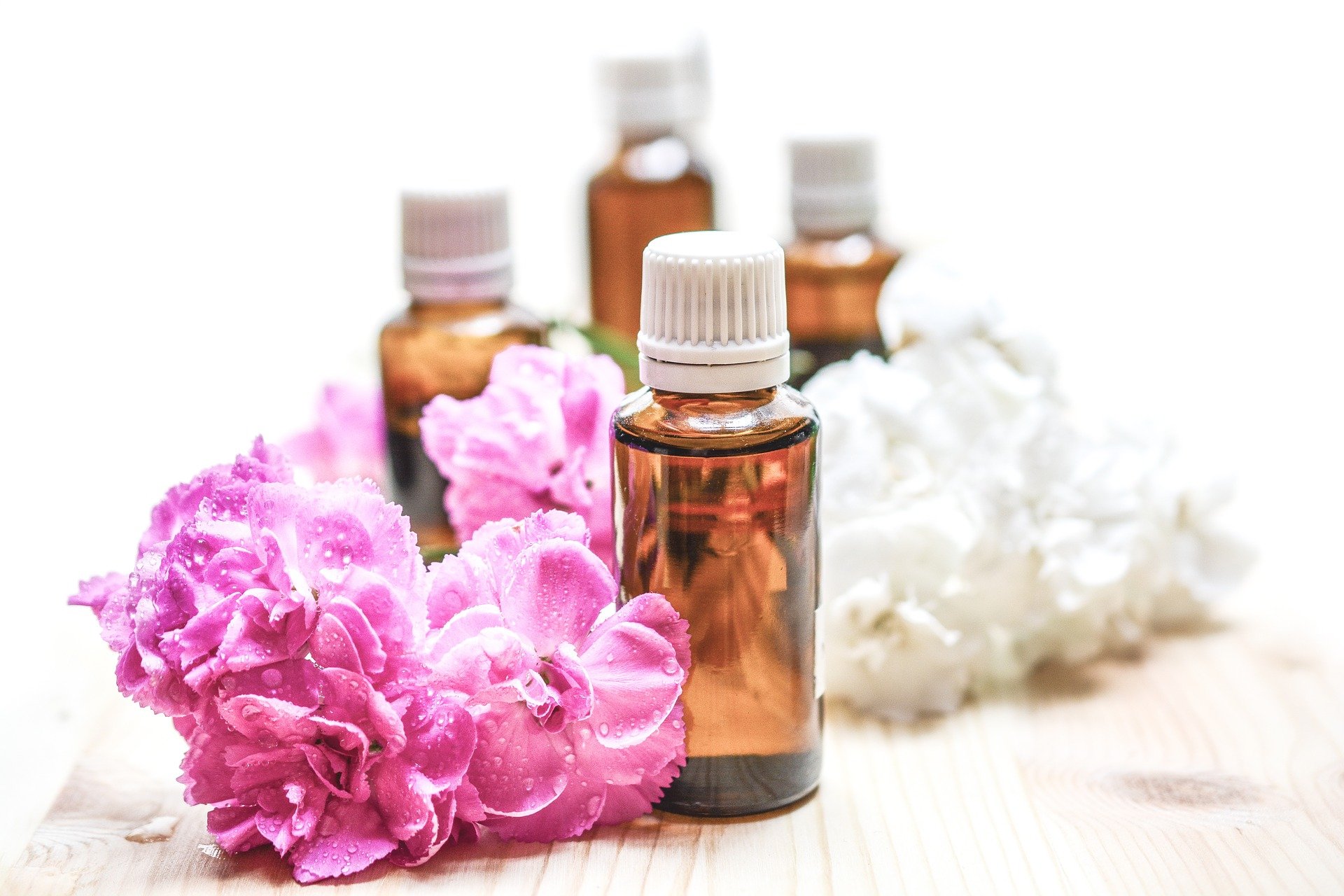
A Guide to Picking the Perfect Perfume

Perfume is one of those wonderful gifts to make someone feel good – and smell even better! But the world of perfume can be tricky to navigate. With so many different options on the market, ranging in smell, volume, applicator type and price – settling on the right one can be as dizzying as the swirl of a wonderful perfume. Brush up on your fragrance facts to help in choosing a splendid scent for yourself – or someone special.
Fragrance Notes

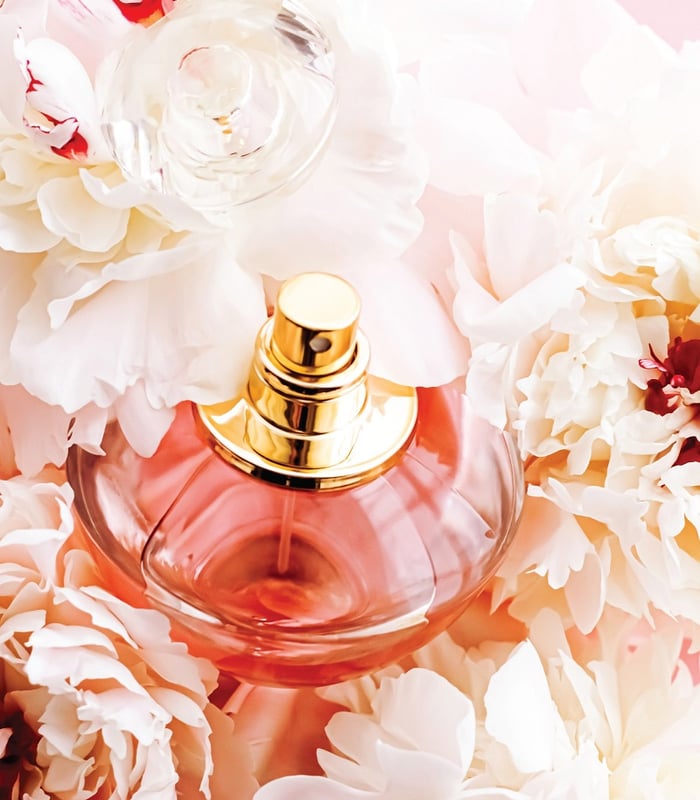
Just like music, a perfume’s scent is made up of a combination of notes. There are three note classes - each with their own purpose that are blended to create a perfume#.
HEAD – the opening
This represents the first impression of the perfume. It generally contains the lightest notes that you’ll notice first when applying. The top notes lure you in, smoothly transitioning into the heart of the fragrance.
HEART – the trail
This is where the fragrance’s personality is enjoyed, once the top notes fade. A perfume’s heart is generally pleasant and well rounded, often containing a smooth combination of floral or fruit notes.
BASE – the print
This is the foundation of the fragrance, and the final notes to appear. These ingredients bind the composition of the fragrance, and linger on the skin to provide a lasting impression. The base notes are the soul and personality of the perfume, often imprinted in the memories of others.
The difference between EDT and EDP?
If you’ve ever wondered what the difference is between EDT (Eau de Toilette) and EDP (Eau de Parfum), we’re here to help in deciphering these, to make your decision a little easier. The main difference between different fragrances comes down to the different amounts of concentrated perfume oils in perfume – or the ratio of essential oil to alcohol/water. The more essential oil present, the more potent the scent and the longer it will last on the skin.
Often, perfumes will come in an EDT or EDP option, providing you the choice of fragrance with higher ratio of essential oil. And while it may seem the obvious choice to go for the EDP if given the option, not everyone loves a strong fragrance – particularly on a hot day or in close spaces (like a lift, or an office). It’s worth understanding all the options before you choose. Here’s some more about both
EDT v.s. EDP
Eau de Parfum
An EDP fragrance usually carries a richer, deeper scent and generally contains between 12-18% essential oil2. This is the ideal choice for those who prefer a scent with longevity, as an EDP may stay on the skin up to 8-10 hours^, and even longer usually on clothing. EDPs are often more expensive than their EDT counterpart, due to the higher concentration of essential oil.
How to apply perfume
While spritzing a perfume comes naturally to most, perfume is activated by body heat and works best when applied to main pulse points – inside the wrist, behind the ear, on the neck, and in the crease of the elbow and knees. Applying it on a pulse point where the skin is naturally warm can help it to heat up and reveal itself. Avoid rubbing it, as this can alter the molecules of the fragrance speed up the scent journey, causing it to smell different1.
Whether you love fragrances with fruity, floral, woody or citrus notes – understanding how each scent comes together can help ensure you find the perfect perfume for you or someone special!

Sources:
1: https://www.clivechristian.com/13-amazing-perfume-facts/
#: http://www.perfume.org/all-about-perfume/what-are-top-notes-heart-notes-and-base-notes-fragrance-notes-explained
^: https://www.acharr.com/what-is-the-difference-between-edt-edp-and-parfum/
2: https://www.theperfumeshop.com/blog/discover/what-s-the-difference-between-an-edt-and-edp

Four tips to travel well – tick these off your list for your next trip
Travelling is about enjoying new experiences, relaxing, and spending time with family and friends – or just getting some much-needed ‘you’ time. Getting sick isn’t on the itinerary.

Hayfever in the family?
If your child lives with an allergic condition, managing their risk factors and treatments is key, whether at home or school.