






Whooping cough epidemic: Are you protected?

Last year, Australia recorded over 57,000 cases of whooping cough – the most since reporting began in 1991, and significantly more than the previous record of 38,000.¹
Also called ‘pertussis’, whooping cough is a highly contagious respiratory infection characterised by severe, uncontrollable coughing fits, and the distinctive ‘whoop’ sound made when breathing in. It poses significant health risks to infants, but affects people of all ages.
Last year, Australia recorded over 57,000 cases of whooping cough – the most since reporting began in 1991, and significantly more than the previous record of 38,000.¹
Also called ‘pertussis’, whooping cough is a highly contagious respiratory infection characterised by severe, uncontrollable coughing fits, and the distinctive ‘whoop’ sound made when breathing in. It poses significant health risks to infants, but affects people of all ages.


Catherine Hughes
Whooping cough is prevalent again in 2025, with well over 10,000 cases recorded before the peak season, mostly in children aged 5-14.¹
Founding Director of Immunisation Foundation Australia (IFA), Catherine Hughes AM, says Australia is in the grip of the largest whooping cough epidemic since the introduction of vaccinations.
“There have been significant improvements in the prevention of the disease in infants and pregnant women, but it remains a serious public health threat in Australia,” she says.
“During COVID, we managed to suppress a range of respiratory infections including whooping cough, through increased hygiene, decreased travel, and wearing masks. Unfortunately, as international travel has resumed, so has the spread of infectious diseases like whooping cough.”
Whooping cough is prevalent again in 2025, with well over 10,000 cases recorded before the peak season, mostly in children aged 5-14.¹


Catherine Hughes
Founding Director of Immunisation Foundation Australia (IFA), Catherine Hughes AM, says Australia is in the grip of the largest whooping cough epidemic since the introduction of vaccinations.
“There have been significant improvements in the prevention of the disease in infants and pregnant women, but it remains a serious public health threat in Australia,” she says.
“During COVID, we managed to suppress a range of respiratory infections including whooping cough, through increased hygiene, decreased travel, and wearing masks. Unfortunately, as international travel has resumed, so has the spread of infectious diseases like whooping cough.”
Riley’s story
Catherine and her husband Greg founded IFA after they lost their son, Riley, to whooping cough.
“He was a healthy and strong baby, but when he was three weeks old he developed a little sniffle,” Catherine said.
“A few days later, he started coughing occasionally, so I called the doctor. He reassured me that Riley was fine, but I couldn't shake the feeling that something was wrong.”
“When he wasn’t interested in his regular feed the next morning, we took him to the children’s hospital. After a day or two in hospital, one of his doctors listened closely to his cough and looked at us, concerned. She told me that she thought he might have whooping cough, and the next day, swab results confirmed that she was correct.”
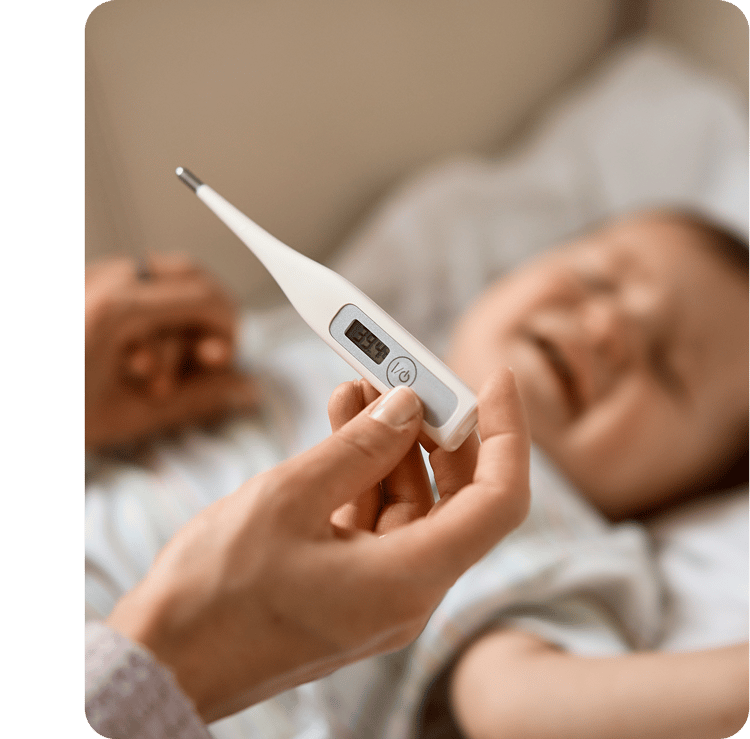
“Riley's condition worsened rapidly. His cough became severe, and he needed oxygen to breathe. He developed pneumonia and was transferred to the paediatric intensive care unit.”




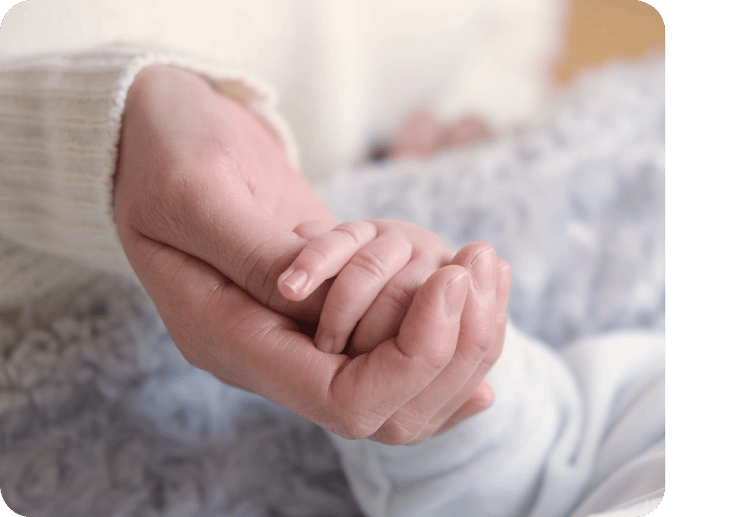
“Riley's death shattered our world. We were heartbroken and lost. But we knew that we had to do something to prevent other families from experiencing the same pain.”
Catherine and Greg started the ‘Light for Riley’ Facebook page in his honour, and later the IFA, determined to improve vaccination rates and help protect other newborn babies like Riley.
“Riley was too young to be vaccinated, but if I had been offered a whooping cough booster during pregnancy, there is a good chance he would still be with us today,” Catherine said.
“He may have lost his fight with whooping cough, but his death has sparked a movement to protect other babies from preventable diseases.”

Riley’s story
Catherine and her husband Greg founded IFA after they lost their son, Riley, to whooping cough.
“He was a healthy and strong baby, but when he was three weeks old he developed a little sniffle,” Catherine said.
“A few days later, he started coughing occasionally, so I called the doctor. He reassured me that Riley was fine, but I couldn't shake the feeling that something was wrong."
“When he wasn’t interested in his regular feed the next morning, we took him to the children’s hospital. After a day or two in hospital, one of his doctors listened closely to his cough and looked at us, concerned. She told me that she thought he might have whooping cough, and the next day, swab results confirmed that she was correct.”
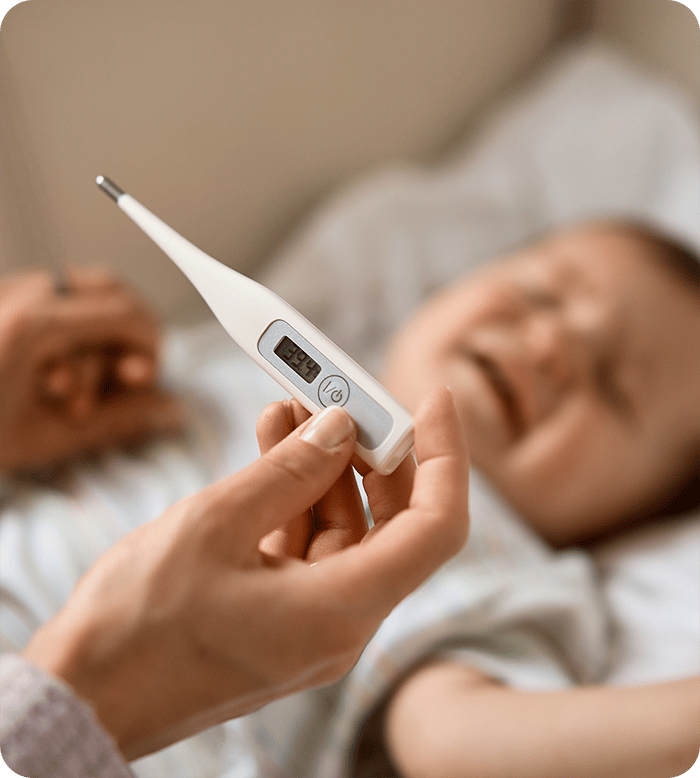
“Riley's condition worsened rapidly. His cough became severe, and he needed oxygen to breathe. He developed pneumonia and was transferred to the paediatric intensive care unit.”

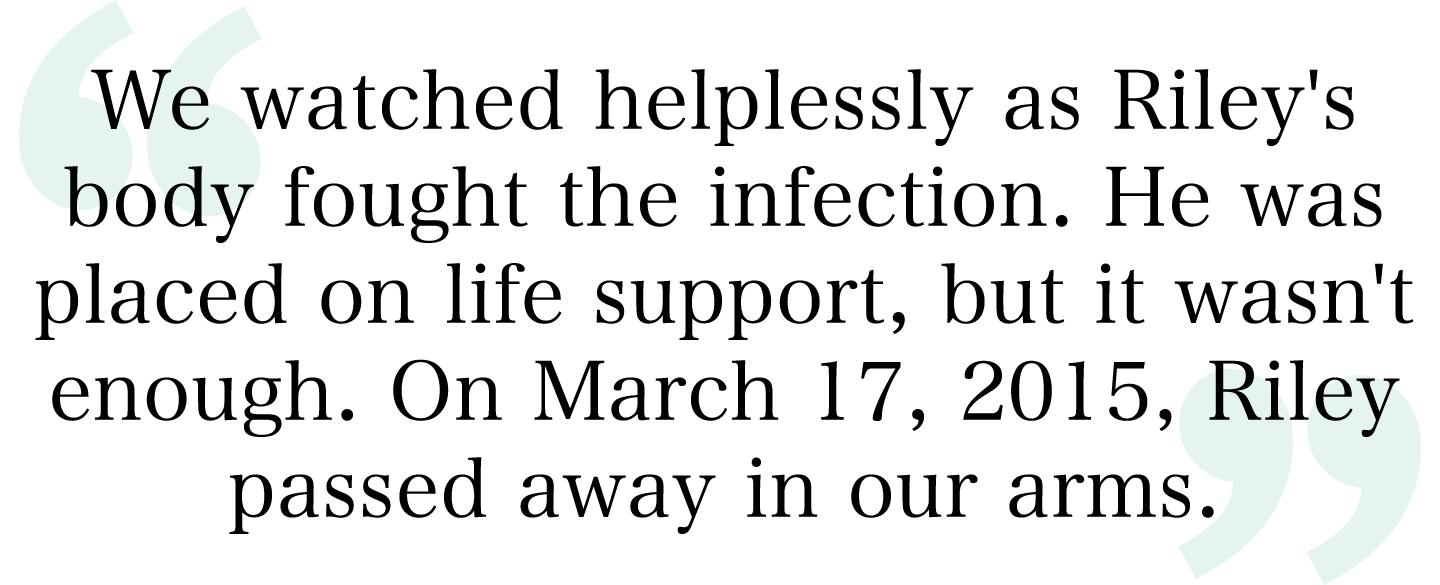
“Riley's death shattered our world. We were heartbroken and lost. But we knew that we had to do something to prevent other families from experiencing the same pain.”
Catherine and Greg started the ‘Light for Riley’ Facebook page in his honour, and later the IFA, determined to improve vaccination rates and help protect other newborn babies like Riley.

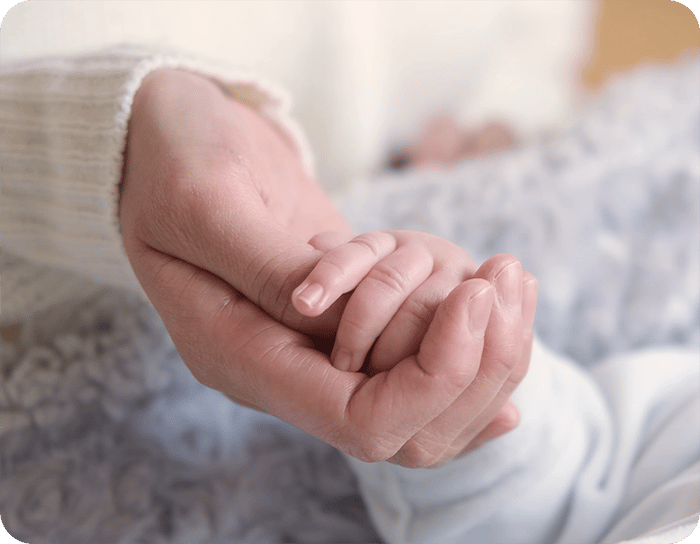
“Riley was too young to be vaccinated, but if I had been offered a whooping cough booster during pregnancy, there is a good chance he would still be with us today,” Catherine said.
“He may have lost his fight with whooping cough, but his death has sparked a movement to protect other babies from preventable diseases.”
Stay protected
The whooping cough vaccination is given as a series to protect against diphtheria, tetanus and pertussis.
Under the National Immunisation Program (NIP), the whooping cough vaccination is part of routine child immunisations from 2 months old, and is now free for pregnant women and adolescents aged 12-13.²
Its effectiveness decreases over time, so a booster is recommended if you haven’t received one in the last 10 years.
“Whooping cough is one of the most infectious diseases in the world, but most adults are not up to date with their vaccinations as they’re unaware about the need for boosters,” Catherine says.
Talk to your Pharmacist for more information on protecting your loved ones from whooping cough.


Stay protected
The whooping cough vaccination is given as a series to protect against diphtheria, tetanus and pertussis.
Under the National Immunisation Program (NIP), the whooping cough vaccination is part of routine child immunisations from 2 months old, and is now free for pregnant women and adolescents aged 12-13.²


Its effectiveness decreases over time, so a booster is recommended if you haven’t received one in the last 10 years.
“Whooping cough is one of the most infectious diseases in the world, but most adults are not up to date with their vaccinations as they’re unaware about the need for boosters,” Catherine says.
Talk to your Pharmacist for more information on protecting your loved ones from whooping cough.