







Thyroid Problems
What is the thyroid?
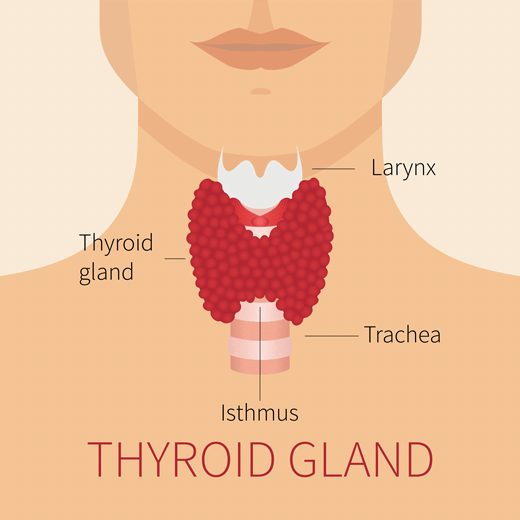
The thyroid gland (or thyroid), is a butterfly-shaped gland found at the front of your throat, below the larynx (voice box) and is made up of two lobes that lie on either side of the windpipe. The thyroid is part of the endocrine system, which is a collection of glands that produce hormones. The endocrine system also includes the pituitary gland which is located at the base of your brain.
The thyroid produces hormones that play an important part in bodily functions, such as heart rate, blood pressure, body temperature and weight. The pituitary gland produces thyroid stimulating hormone (TSH) which in turn stimulates the production of hormones called triiodothyronine (T3) and thyroxine (T4). These hormones are then secreted directly into the bloodstream.
If your thyroid doesn’t work properly, it can contribute to a number of serious health conditions. Around 14% of Australians have a diagnosed thyroid disorder, while 4% (just over 1 million people) have one that is undiagnosed. Thyroid disorders affect 10 times more women than men.1
While thyroid disease is usually a life-long condition that requires ongoing management, there are treatments available to make it possible to live a normal life.


Common thyroid problems
There are two main thyroid problems:
- Hypothyroidism (not producing enough hormone)
- Hyperthyroidism (producing too much hormone)
Because these terms sound very similar, it can be useful to remember the difference by thinking about what the prefixes mean — “hypo” means under or below, while “hyper” means over or in excess.
Different thyroid conditions affect the body in different ways, so signs and symptoms will be different depending on which condition you have.
Hypothyroidism
Hypothyroidism is when the thyroid doesn’t make enough hormone. It’s also known as an underactive thyroid. People with hypothyroidism have a slower metabolism which can result in weight gain. This is the most common thyroid disease in Australia, affecting 1 in 33 Australians. It’s more common in women than men and in people over 60 years of age.2 The most common cause of hypothyroidism is an autoimmune condition called Hashimoto’s disease.
Signs and symptoms of hypothyroidism
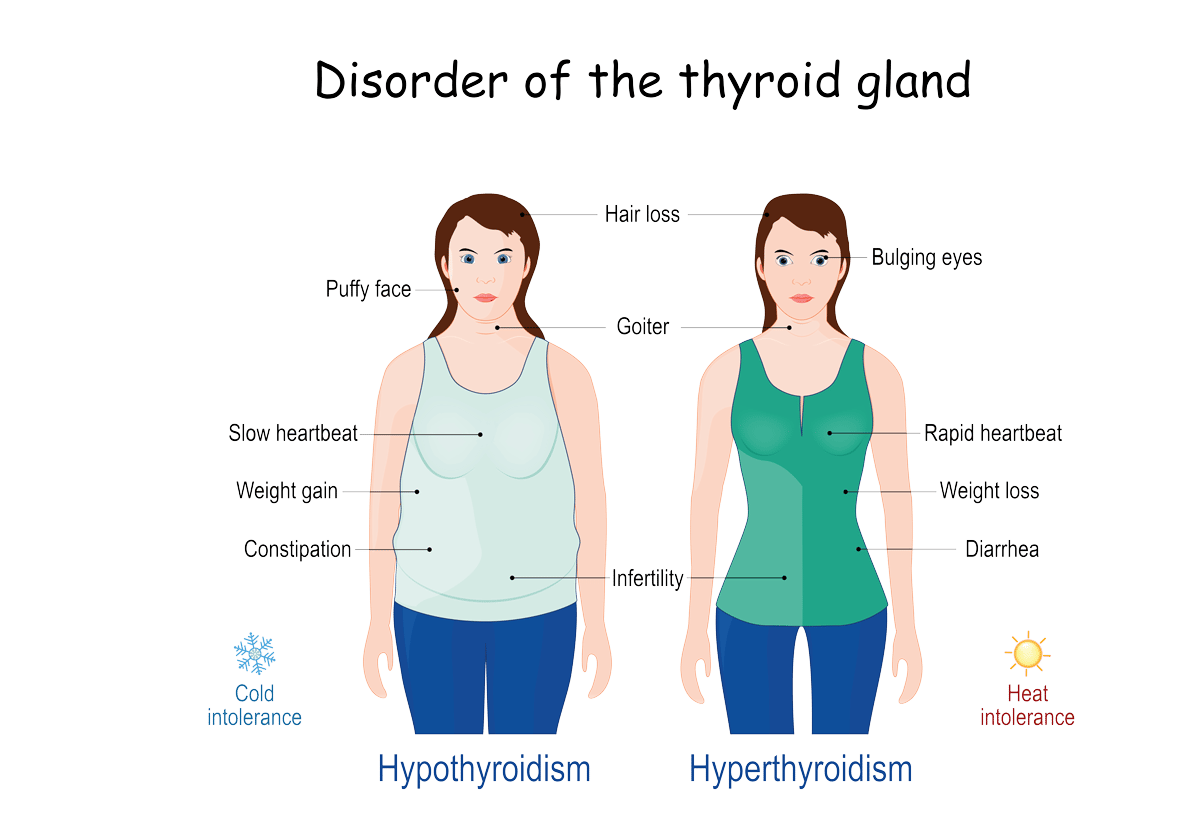
Hypothyroidism can develop over many years, without symptoms. However, when they occur, they may include3:
- weight gain
- feeling tired
- slow heart rate
- muscle pain
- inability to concentrate or memory problems
- headaches
- having dry, cool skin
- being unable to tolerate the cold
- puffy and pale face
- brittle hair and nails, thinning hair
- constipation
- periods that are heavier than normal
- depression
Hyperthyroidism
Hyperthyroidism (also called thyrotoxicosis) is an overactive thyroid gland where the thyroid produces too much hormone. This can cause your metabolism to speed up which can result in unintentional weight loss or a rapid heartrate. It’s estimated that hyperthyroidism affects 3 in 1,000 people.4 The most common cause in Australia is an autoimmune condition called Graves’ disease.
Signs and symptoms of hyperthyroidism
Hyperthyroidism can involve a number of symptoms. Here’s what to look for:
- unintentional weight loss
- feeling anxious or nervous
- heart palpitations
- breathlessness
- feeling tired
- increased appetite
- unable to tolerate heat
- increased sweating
- a visibly enlarged thyroid (goitre) that appears as a lump or swelling in your throat
- tremors or shakiness
- changes in bowel habits or menstrual patterns
- thin skin
- fine, brittle hair
- difficulty sleeping
What causes thyroid problems?
Hyperthyroidism
Conditions that may cause hyperthyroidism include:
- Grave’s disease (an autoimmune disease causing the thyroid to produce too much thyroid hormone)
- thyroiditis
- too much iodine in your system
- nodules or non-cancerous lumps on the thyroid
Who is at risk of thyroid disorders?
Thyroid problems can affect anyone, but there are some people who may be at higher risk, including those who:
- have a family history of thyroid disease
- take medication that is high in iodine or taking too many iodine supplements
- are over 60
- are women
- have had treatment (including surgery or radiation) for a past thyroid condition or thyroid cancer
- have an autoimmune disease such as type 1 diabetes and coeliac disease
- have been pregnant or given birth in the last 6 months
Complications of thyroid problems
Hyperthyroidism
Possible complications for hyperthyroidism9 include:
- Heart problems such as rapid heart rate, atrial fibrillation (disordered heart rhythm) which increases your risk of stroke and heart failure
- Brittle bones and osteoporosis
- Eye problems such as bulging, swollen eyes, sensitivity to light, and blurred vision
- Thyrotoxic crisis — this sudden intensification of your symptoms is a medical emergency that can cause fever, rapid pulse and delirium. Seek immediate medical care if this occurs
When to visit your doctor
If you have noticed any of the symptoms associated with hypothyroidism or hyperthyroidism that you can’t attribute to other conditions, you should speak to your doctor. This is especially important if you fall into the category of someone with increased risk of thyroid disease.
How are thyroid problems diagnosed?
Because symptoms of thyroid problems can be similar to other conditions, a number of tests are usually used to diagnose thyroid issues. These include blood tests (to check your levels of thyroid hormone), imaging tests (usually an ultrasound of your thyroid) and a physical exam.
How are thyroid problems treated?
Treatment for thyroid problems aims to return thyroid hormone levels to normal. The exact treatment will depend upon your condition and what’s causing it. The usual treatment for hypothyroidism is thyroid replacement medication. Treating hyperthyroidism may involve:
- medications that stop your thyroid from producing hormones
- radioactive iodine treatment to prevent your thyroid from making high levels of hormones
- beta blockers which help control your symptoms
- surgery to remove your thyroid
Medication for both types of thyroid problems can take a few weeks to work and usually blood tests are required to check that adequate hormone levels are achieved.
How TerryWhite Chemmart can help
At TerryWhite Chemmart, we can help you manage your health. If you notice any unusual symptoms, speak to one of our pharmacists. We can also provide advice about the best way to take any medication you require, including when to expect to see results, and possible side effects. Our pharmacists will also explain why it’s important to monitor thyroid function when starting medications and why the dosage may need to change.
Book a Medication Review at your nearest TerryWhite Chemmart today.