







The Vicious Cycle of Pain
The experience of persistent pain is exhausting and draining. It can subtly build and intensify. It will not usually easily respond to simple forms of treatment, like over-the counter medications, prescribed medicines and some simple physiotherapy. It can feel very different from every day aches and pains.
Most people experiencing pain say that movement first triggers their pain. The person then thinks and feels that there is damage. To avoid further pain and the risk of damage, the person rests. Unfortunately, over time of not moving and excessive resting, the body becomes deconditioned. This “safety net” behaviour is a normal reaction to ongoing pain but is not helpful for recovery. Excessive activity on “good days” brings about a “flare up” of the pain as the person’s system is already sensitive. The person then excessively rests again, to avoid pain. Over time this pattern leads to a vicious cycle of pain where the person may fear even the simplest activities to avoid further pain. We call this a boom-and-bust cycle! Ultimately the patient does less and less, becomes weaker, stiffer, more isolated, frustrated and guilty, and pain only increases.
The boom-and-bust behaviour that leads you into the vicious cycle of pain is not useful in the longer term and can reinforce pain. Getting help to gradually learn how to pace your activities is essential to managing your pain.
People often ignore
When it comes to movement and exercise, recognise that you probably are doing a bit too much on the good days and not enough on the bad days.
What is Pacing?
Pacing or graded exposure is a fancy term for starting to move slowly and building up as your body gets used to being moved. You gradually increase what you do and your body gets used to this and then wants more. You end up stronger, fitter and being able to do more with less pain.
The Importance of Pacing
Pacing is an important concept and practice that is usually not part of our usual response. Getting help to plan towards moving away from being in a vicious loop of pain and into the more productive goal of slowly pacing up your function will help you to regain control of your life purposefully again.
Helpful tips for pacing
- On a good day, do not do more than the pacing schedule allows
- Have a plan and aim to change only one or two things at a time
- Keep a record of what you’re doing and how much you’re doing – write it down
- Alternate heavier tasks with lighter or less stressful ones
- Do little bits often
- Use one kind of task as a break from another
- Change your body position/posture regularly
- Build up time on a task gradually – start low and increase slowly
- Set your baseline
- Start doing the task at about 20% less when you start paced activities
- Increase the time by up to 10% each week
- On a bad day try to do some activities, but remember to be kind to yourself
- If you have had a flare-up, go back to a level that you can cope with and start pacing it up again

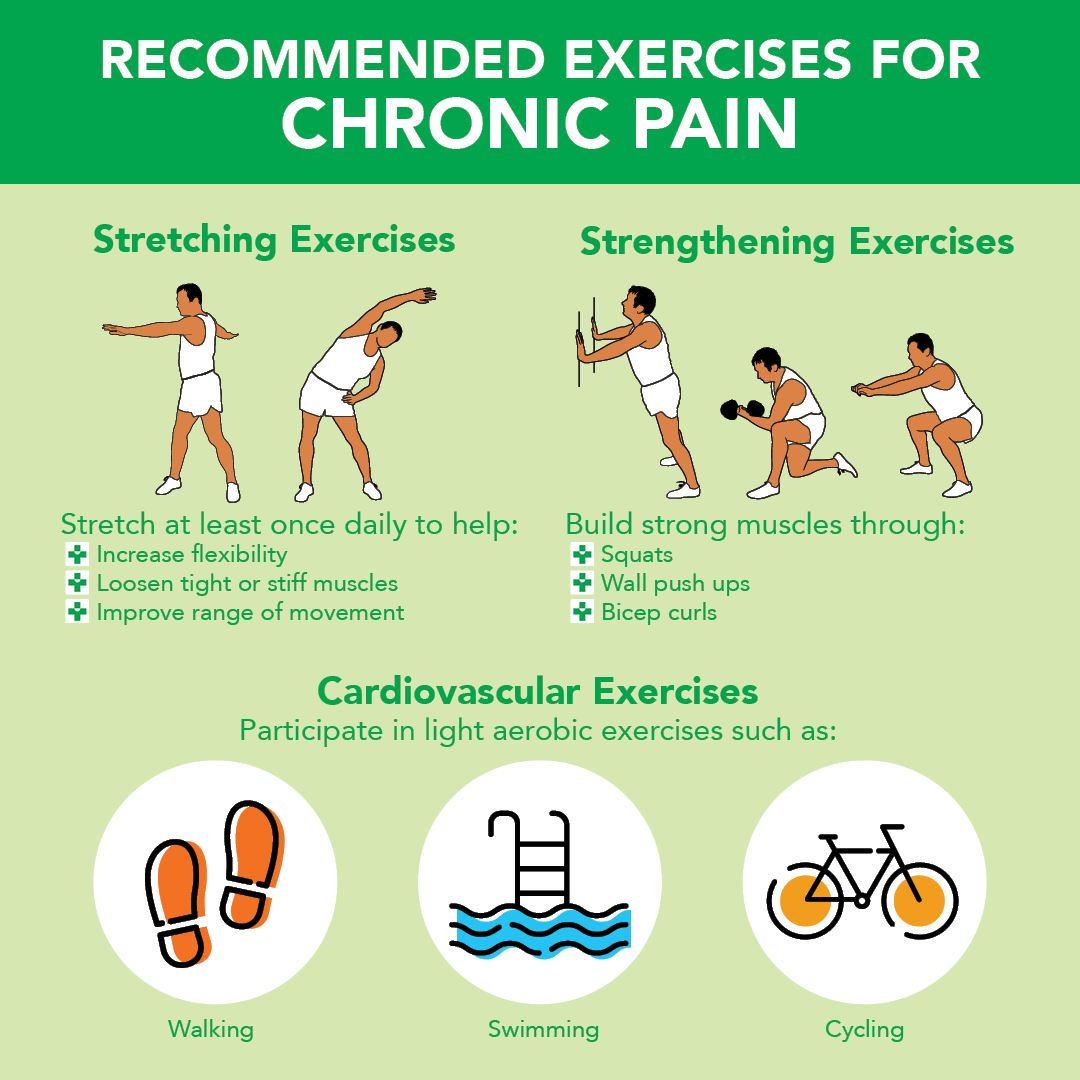
Flare ups during pacing/graded exposure


Physiotherapist Ian Harris
– Principal Coastal Physiotherapist & Sports Injury Clinic
Pain Flare up: a period of intense pain which is felt more severely to the day- to- day chronic pain. They may last hours or days. They can start quickly and without much warning.
- When you start moving, flare-ups do happen in the process (it will happen!).
- Plan for flare-ups.
- The body is capable of a great deal of movement even in pain.
- You will move better when you respect pain as a guideline but not an absolute rule. Remember that a flare up does not equal more damage.
- When you have a flare up, it is often just an opportunity to change and modify things. e.g. perhaps you pushed yourself a little too much so reduce the amount you do next time.
- Don’t beat yourself up over it!
- Speak to your pharmacist in advance about which medications might support you during a flare up.
- Also, consider heat packs and cold packs and even maybe a brace will help you through this flare up far more quickly than what you might have before.
- Try not to stop moving but learn from it.
How TerryWhite Chemmart can help
If you’re experiencing pain, we are here to help. Speak to your local TerryWhite Chemmart Pharmacist about incorporating movement into your daily routine, to help relieve pain and inflammation.
Additional Resources
Daily Yoga
https://itunes.apple.com/au/app/daily-yoga-workouts-meditation-and-fitness-plan/id545849922?mt=8