







Kidney stones
What are kidney stones?
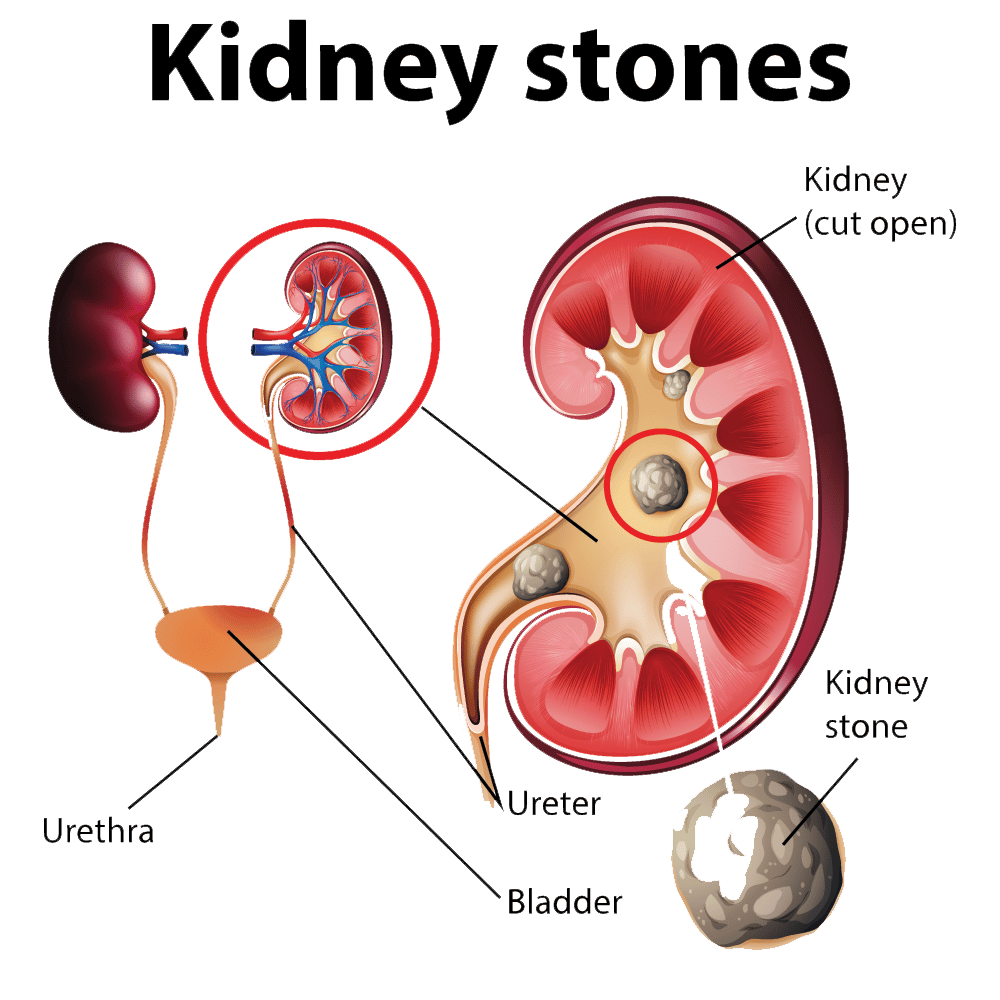
Your kidneys play an important role in filtering blood and removing extra water and waste products (chemicals) that are passed through the body as urine. Sometimes these chemicals can clump together as solid crystals known as kidney stones (also called renal calculi). Kidney stones are one of the most common disorders of the urinary tract. Kidney stones can be of varying shapes and sizes, ranging from the size of a grain of sand to a golf ball.1 Some can be extremely painful and have the potential to block the flow of urine and cause other serious complications.
Anyone can develop kidney stones, but they are more common in men than in women. The lifetime risk of developing them is one in 10 men, and one in 35 women.2 At any one time, 4-8% of Australians will have kidney stones.3
Kidney stone symptoms
Symptoms of kidney stones are not usually obvious unless they move from where they were first formed and pass into your ureters (tubes that connect the kidneys to your bladder).4 If a stone lodges in your ureters it can block the flow of urine, which is when you’re most likely to experience symptoms.
The most common symptom is pain known as ‘renal colic’5. This pain usually occurs in your side and back, just below your ribs and it may6:
- be severe, sharp or gripping
- radiate to the lower abdomen and groin
- come in waves, or fluctuate in intensity
- have a burning sensation when urinating
Other symptoms of kidney stones may include7:
- nausea and vomiting
- blood in your urine
- fever with hot and cold sweats
- cloudy or bad-smelling urine
- small stones that resemble gravel in your urine
- feeling like you need to urinate urgently
- reduced amount of urine flow (flow that stops entirely is a medical emergency)

What causes kidney stones?
There is no single, definite cause of kidney stones but there are several factors that can increase your risk. These include8 9:
- not drinking adequate amounts of water
- high levels of substances such as calcium, oxalate, cystine acid or uric acid in your urine
- underlying medical conditions such as:
o urinary tract infection (UTI)
o diseases of the digestive tract
o inflammatory bowel disease
o hyperparathyroidism
o sarcoidosis
o some cancers
o gout
o high blood pressure
o obesity
- medications such as antiviral drugs, or those to treat kidney disease, cancer or HIV
- eating foods high in salt
- having had previous kidney stones
- having a family history of kidney stones
Types of kidney stones
There are four types of kidney stones. Knowing the type of kidney stone you have may help determine the cause and treatment, and help you reduce the risk of developing further stones in the future. The four types of kidney stones are10:

How are kidney stones diagnosed?
Sometimes kidney stones can be found by chance during tests for other health conditions. However, if your doctor suspects you have a kidney stone, you may undergo several tests which include11:
- urine and/or blood tests
- ultrasound
- CT scans
- X-rays, including an intravenous pyelogram (IVP) where a contrast dye is injected into your bloodstream before the x-ray to evaluate the kidneys, ureters and bladder
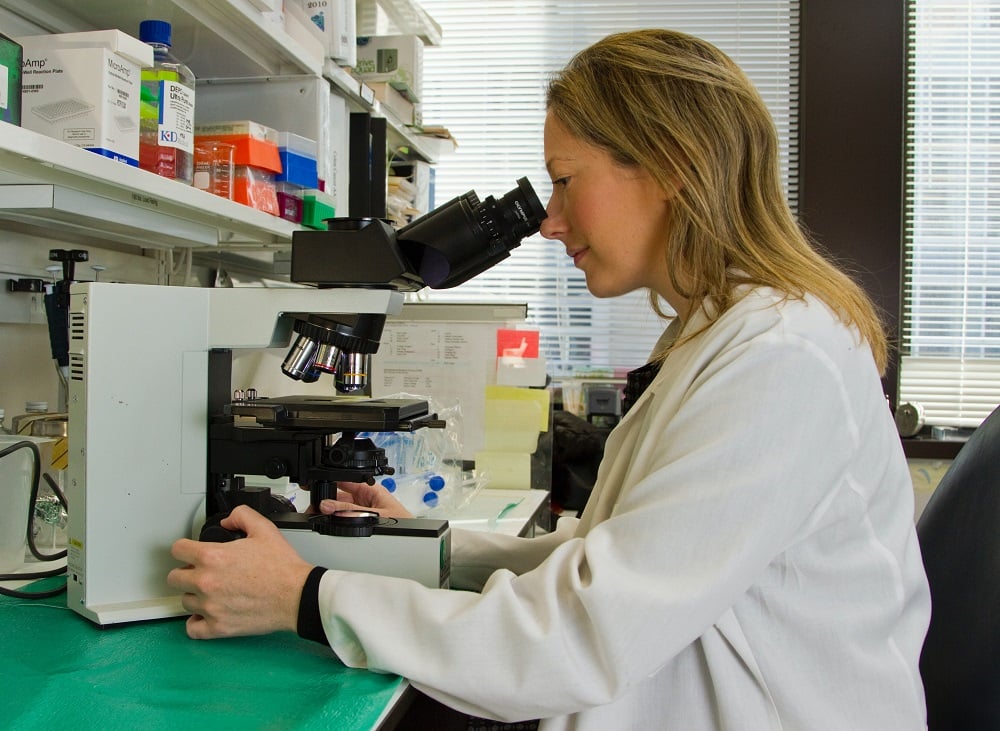
If you pass a stone while urinating, collect it if possible and take it to your doctor for analysis. This can help determine what kind of stone it is, how to treat it and steps to take to help prevent more from forming.
How are kidney stones treated?
Most of the time, kidney stones will pass on their own within three to six weeks12. During this time, you should drink adequate amounts of water to help flush them through. It may be necessary to take pain relief medication during this time, although if the pain is severe, you may be admitted to hospital where stronger pain relief can be given to you.
If stones are too large to pass through, or they block the flow of urine or cause bleeding or an infection, other treatments may be necessary. These include13:
- Ultrasound treatment to break down the kidney stone into smaller pieces so they can pass through. This is usually used for stones that are less than 2cm in size
- A small surgical procedure to remove the stone via a small incision in your back
- A procedure called a ureteroscopy where an instrument (ureteroscope) is inserted through the urethra into the bladder and then into the ureter to where the stone is located. If the stone is small, it may be removed, but if it is large, the stone is broken up into smaller pieces and removed.14
What are the complications of kidney stones?
Kidney stones have the potential to cause some serious complications such as acute kidney injury or chronic kidney disease, which is why it’s important to seek medical treatment if you suspect you have kidney stones.
When to see your doctor
If you notice any kidney stone symptoms, consult your doctor. You should seek immediate medical attention if you have15:
- severe pain that makes it difficult to sit in a comfortable position
- pain with nausea and vomiting
- pain with fever and chills
- trouble urinating
- blood in your urine
Can you prevent kidney stones?
There are several lifestyle changes you can make to prevent the formation of kidney stones, including:16 17
- drinking plenty of fluids, especially water
- limiting drinks that contain phosphoric acid (e.g. cola and beer)
- avoiding UTIs and treating them quickly if you develop one
- limiting your intake of animal protein such as red meat, poultry, eggs and seafood
- drinking fruit juices such as cranberry, orange and grapefruit
- including dairy foods in your diet
- reducing your salt intake
- checking with your doctor before you take calcium supplements
If you have had kidney stones before your doctor may prescribe you medication to be used in combination with lifestyle measures, to prevent further stones from forming. Medication will depend upon the type of stone you had but it may include18:
- calcium stones — medication to increase your urine flow
- struvite stones — long-term use of antibiotics to prevent UTIs
- uric acid stones — medication to reduce uric acid levels and medication to keep your urine alkaline
- cystine stones — medication to reduce the amount of cystine in your urine

How TerryWhite Chemmart can help
Kidney stones can be caused by numerous factors, including medication. At TerryWhite Chemmart we can help you manage your health with a Medication Review, where one of our Pharmacists will review your medication and discuss which ones, if any, may be contributing to your symptoms, and how we can best help you manage them. Our friendly Pharmacists can also provide advice on products that may assist with your symptoms or may refer you to your doctor for further treatment.