







HPV (Human papillomavirus)
Vaccination
What is HPV?
HPV — human papillomavirus — is a group of common viruses transmitted through sexual contact. Around 85% of people will be infected with at least one type of HPV at some point in their lives.1 Some people may be infected more than once. There are over 100 types of HPV, with many of them not causing any problems.2 However, some types can lead to various cancers as well as genital warts. HPV causes:3
- most cases of genital warts and cervical cancer
- 90% of anal cancers
- 65% of vaginal cancers
- 60% of oropharyngeal cancers (cancer of the back of the throat, including tongue and tonsils)
- 50% of vulva cancers
- 5% of penile cancers
Is HPV herpes?
HPV stands for human papillomavirus which is a group of common viruses transmitted through sexual contact. Some types of HPV can cause genital warts.
While herpes (genital herpes) is also a sexually transmitted infection, it is caused by the herpes simplex virus – which is different to HPV.13
How is HPV transmitted?
HPV is spread through sexual contact. It can be spread via penetrative sex or skin-to-skin genital contact (without penetrative sex).4 Condoms offer some protection but are not effective in preventing transmission as they don’t cover all of the genital skin.
The time when men and women are at the highest risk of acquiring an HPV infection is shortly after becoming sexually active.5
You can be exposed to HPV on your first sexual contact. HPV is not transmitted by blood.15
Can males get HPV?
Males can get HPV. The virus causes 90% of anal cancer, around 60% of cancers that affect the tonsils, throat and base of the tongue (oropharyngeal cancer), and about 50% of penile cancers.16
What are the symptoms of HPV?
Most people who acquire the virus won’t exhibit any symptoms. However, if you are affected, symptoms will depend upon the type of HPV you have contracted.
Types 6 and 11 cause around 95% of genital warts. These can appear on areas such as the vagina, penis, anus and scrotum. They are usually painless, but can sometimes be itchy. They may also be:6
- flat or raised
- single or multiple
- clustered together, resembling a cauliflower
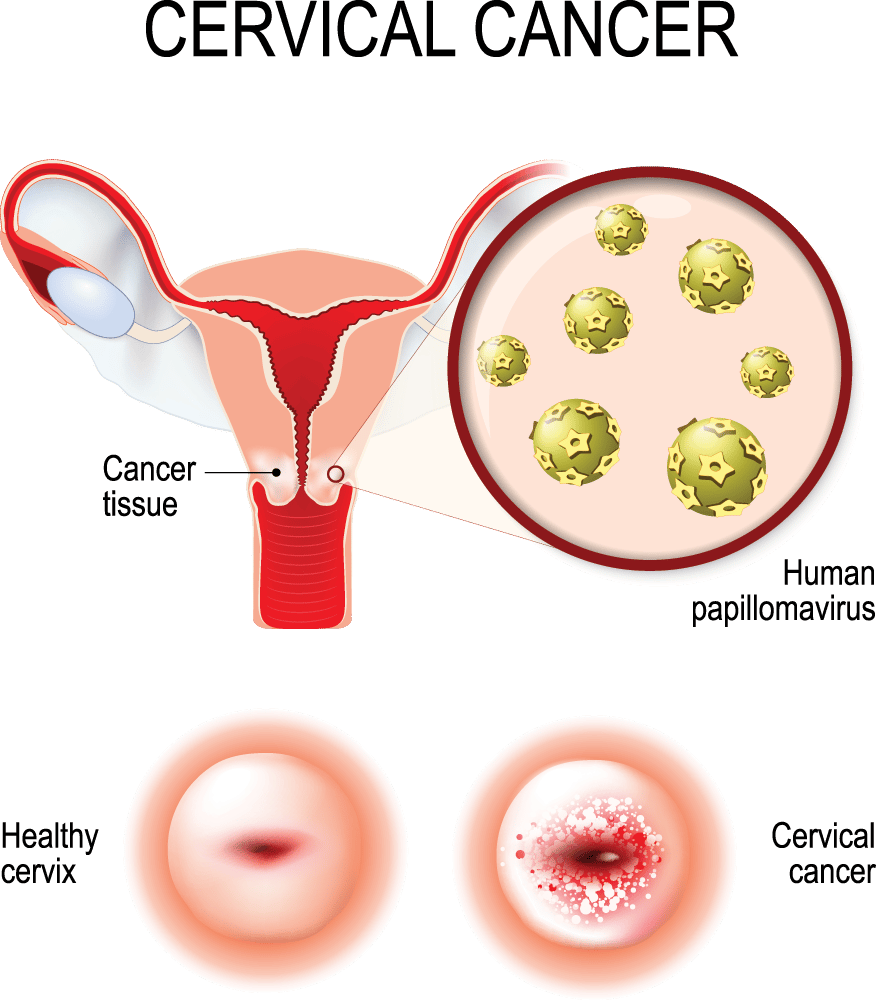
Types 16 and 18 cause up to 80% of cervical cancer in women. These types of cancers can take years to develop and there may not always be symptoms. However, symptoms to be aware of include:
- pain during sex
- bleeding after sex
- abnormal periods, vaginal discharge or bleeding
- pelvic pain
- bleeding after menopause
HPV and cervical cancer
HPV almost always causes cervical cancer, however, it usually takes many years for cervical cancer to develop.7 In women with healthy immune systems, it usually takes between 15 and 20 years, while for women with weakened immune systems, it can take only 5 to 10 years to develop cancer.8
The good news is that cervical cancer can be prevented in 90% of cases through regular screening.9 Under the National Cervical Screening Program, women aged 25-74 years are eligible for a Cervical Screening Test (this has replaced the Pap smear test), which looks for the presence of HPV.
If no HPV is detected, you will be recalled for another test in 5 years. If your test indicates that further investigation is necessary, you will be advised and provided with further details when you receive your results.
Cases of cervical cancer in Australia have decreased significantly since the introduction of regular screening in the 1990s and a national HPV vaccination program in 2007.10
Risk factors for HPV
HPV infection symptoms can appear weeks or even months after exposure, allowing the infection to remain undetected for some time. Anyone who is sexually active is at risk of contracting the virus and should take proactive steps to prevent the infection, such as practising safe sex and receiving the HPV vaccination.

Treating HPV
Currently, there is no treatment for HPV.11
Most of the time, the immune system can clear the vast majority of infections on its own. This can take months or even years, but usually, they go away. In 5% of cases, the virus will persist, but it still may be months or years before it causes any problems (if at all).12
Genital warts caused by HPV may be treated by13:
- a special wart paint specifically for genital warts
- freezing (cryotherapy)
- burning
- laser treatment
- cream designed to boost the immune system and fight the HPV virus
- surgery to remove the warts
If you develop HPV-related cancer, treatment will depend upon the type and extent of cancer.
Does HPV go away on its own?
Most HPV infections go away on their own, but it can take months or years to clear. Sometimes the virus can persist and not cause any problems at all.
If the virus does cause problems, it may be months or even years for this to happen.15
Complications of HPV
The most serious complications of HPV are various types of cancer, particularly those that involve the cervix, genitals, anus, mouth and upper respiratory tract. It’s also possible to develop lesions on your tongue, tonsils, soft palate, or even in your nose and larynx (voice box).14
When to see a doctor
Most of the time there are no symptoms of HPV. However, if you think you have warts, may have been exposed to genital warts, or are worried about an HPV infection, visit your doctor for a check-up.
If you’re a female between 25 and 74 years old, you should also visit your doctor for regular Cervical Screening Tests.

Preventing HPV
While it’s not possible to completely prevent HPV, vaccination can help protect you against the types of HPV that most commonly cause cervical cancer or genital warts. In Australia, there are two types of HPV vaccines — Gardasil 9 and Cervarix.
The best time to get vaccinated against HPV is before you become sexually active. This is because people who have already had sexual contact may have already contracted the virus. Under the National Immunisation Program (NIP), the HPV vaccine is usually given to children aged 12-13 at school.
If you haven’t been vaccinated against HPV, speak to your doctor to determine if vaccination is appropriate for you.
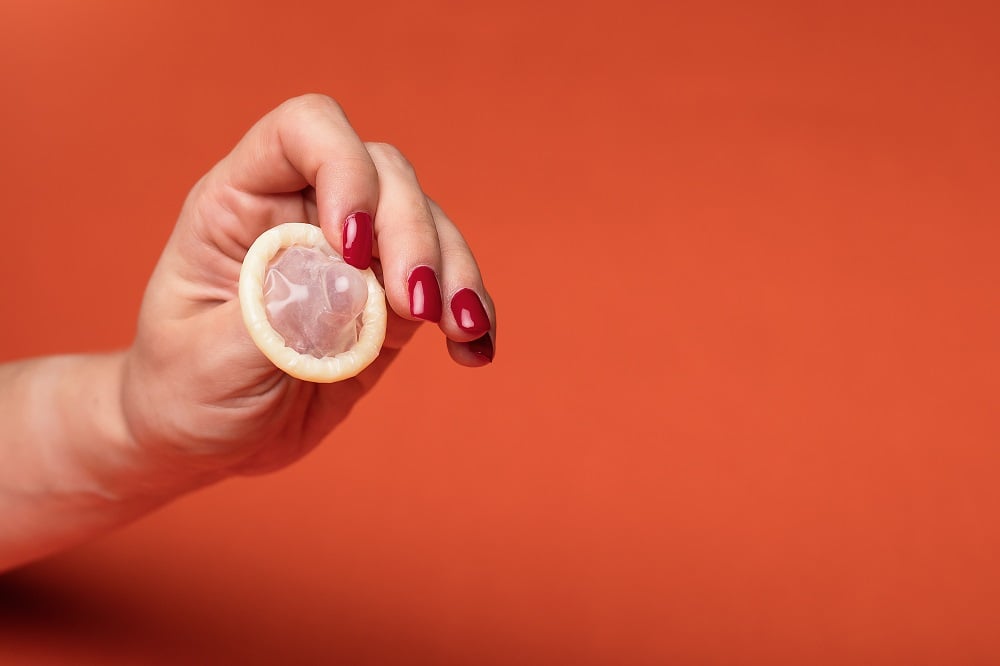
In addition to HPV vaccination, you can also protect yourself by practising safe sex by using condoms or dental dams every time you have vaginal, anal or oral sex. While these don’t always prevent all cases of transmission, they do give you some protection
How TerryWhite Chemmart can help
Disclaimer
General advice only – this information should not replace the information provided to you by your health care professional. If symptoms are severe or persist, please speak to your health care professional. Information current as of date of publishing.
Sources
1The Royal Women’s Hospital, Human papillomavirus (HPV), https://www.thewomens.org.au/health-information/sex-sexuality/sexually-transmitted-infections/human-papillomavirus-hpv
2World Health Organization, Human papillomavirus (HPV) and cervical cancer, https://www.who.int/news-room/fact-sheets/detail/human-papillomavirus-(hpv)-and-cervical-cancer
3HPV vaccine, What is HPV, https://www.hpvvaccine.org.au/parents/parents-what-is-hpv.aspx
4World Health Organization, Human papillomavirus (HPV) and cervical cancer, https://www.who.int/news-room/fact-sheets/detail/human-papillomavirus-(hpv)-and-cervical-cancer
5World Health Organization, Human papillomavirus (HPV) and cervical cancer, https://www.who.int/news-room/fact-sheets/detail/human-papillomavirus-(hpv)-and-cervical-cancer
6Australian Government Department of Health, HPV (Human papillomavirus), https://www.health.gov.au/health-topics/hpv-human-papillomavirus
7Jean Hailes for Women’s Health, What is cervical cancer? https://www.jeanhailes.org.au/health-a-z/vulva-vagina-ovaries-uterus/gynaecological-cancers/cervical-cancer
8World Health Organization, Human papillomavirus (HPV) and cervical cancer, https://www.who.int/news-room/fact-sheets/detail/human-papillomavirus-(hpv)-and-cervical-cancer
9Jean Hailes for Women’s Health, What is cervical cancer? https://www.jeanhailes.org.au/health-a-z/vulva-vagina-ovaries-uterus/gynaecological-cancers/cervical-cancer
10Jean Hailes for Women’s Health, What is cervical cancer? https://www.jeanhailes.org.au/health-a-z/vulva-vagina-ovaries-uterus/gynaecological-cancers/cervical-cancer
11HPV vaccine, What is HPV, https://www.hpvvaccine.org.au/parents/parents-what-is-hpv.aspx
12The Royal Women’s Hospital, Human papillomavirus (HPV), https://www.thewomens.org.au/health-information/sex-sexuality/sexually-transmitted-infections/human-papillomavirus-hpv
13Healthdirect, Genital warts, https://www.healthdirect.gov.au/genital-warts
14Mayo Clinic, HPV infection, https://www.mayoclinic.org/diseases-conditions/hpv-infection/symptoms-causes/syc-20351596
15The Royal Women’s Hospital, Human papillomavirus (HPV), https://www.thewomens.org.au/health-information/sex-sexuality/sexually-transmitted-infections/human-papillomavirus-hpv
16