







Herpes
What is herpes?
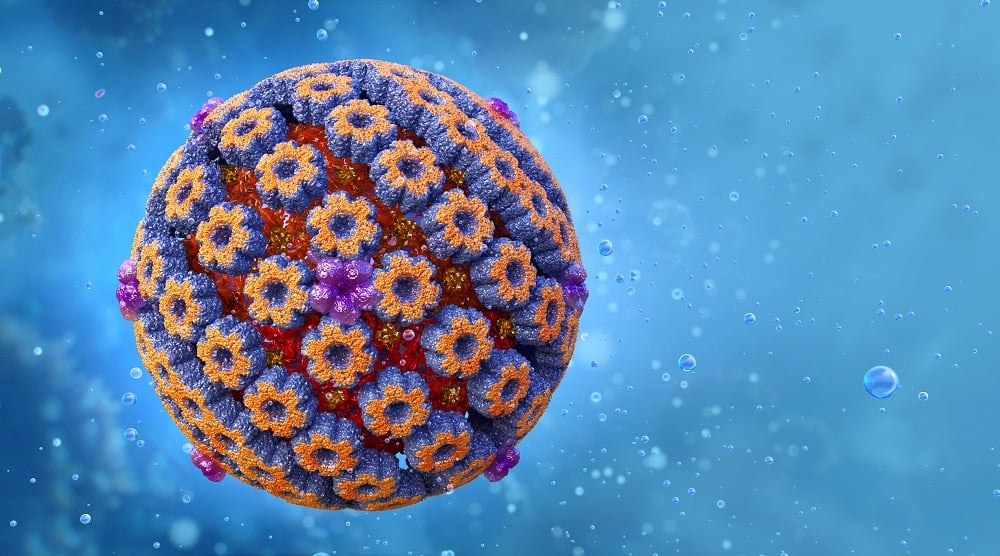
Herpes is a group of infectious diseases caused by the herpes simplex viruses (HSV). These infections affect the skin, often causing small blisters. There are two types of herpes viruses which are:1
- Herpes simplex virus type 1 (HSV-1) — causes most cases of cold sores on the lips or face
- Herpes simplex virus type 2 (HSV-2) — causes most cases of genital herpes
While the different strains of the virus are usually linked to one type of infection, both viruses can cause either cold sores or genital herpes.
It’s estimated that in Australia, 75% of Australian adults have been infected with HSV-1, and 10% of adults have been infected with HSV-2, with women more likely to be infected with HSV-2 than men. 2 Once you have been infected, you have the virus for life but it may lay dormant for many years.
How is herpes transmitted?
You can contract HSV through the skin on the mouth, genitals, anus or small cuts in your skin.
Transmission of HSV-1 is usually via direct physical contact such as kissing, skin-to-skin contact, sharing drink containers or utensils, or towels and toothbrushes with someone who already has a cold sore. Most people are infected with this virus when they are young.3
HSV-2 is spread via skin-to-skin contact with someone who already has the virus, usually during vaginal, anal or oral sex. It can also be spread through kissing, foreplay and non-penetrative sex.4
The risk of transmitting HSV infections is greatest when there are active sores and blisters, although it’s still possible to transmit the virus when there are no present symptoms.5
Herpes symptoms
Sometimes HSV infections have no symptoms or only mild symptoms that go unrecognised. However, when there is an outbreak, there are usually obvious symptoms.
What triggers a herpes outbreak?
Once you have the herpes virus, it lives in the nerves below the skin and can remain dormant for many years. During this time, you won’t notice any symptoms.10 When the virus activates, you are likely to notice symptoms.
It’s not clear as to what causes the virus to activate, however factors that may trigger symptoms include11 12:
- the common cold
- sunburn or sunlight
- hormonal changes associated with menstruation
- stress or emotional upset
- sexual activity
- surgery
- weakened immune system
How is herpes diagnosed?
Your doctor or pharmacist can usually diagnose a cold sore just by their appearance. However, your doctor may take a swab from the lesion for testing to confirm the diagnosis.
If you think you have genital herpes, you should visit your doctor immediately. They will take a swab from the affected area which will be used to confirm the diagnosis. Your doctor may also request blood tests, although this is rare.

How is herpes treated?
As there is no cure for herpes, treatment for an outbreak aims to reduce symptoms and prevent further outbreaks. In addition, practicing safe sex is an important to help stop the spread of genital herpes.
Complications of herpes
Cold sores
Cold sores aren’t usually serious and don’t cause any permanent damage to the skin. However, if blisters become infected it’s possible to develop a bacterial infection that will require antibiotic treatment. Some people may also experience other complications such as:18
- herpes whitlow — when the infection is transferred from the mouth to the fingers
- eye infection — sometimes the virus can spread to the eyes causing severe complications
- widespread infection — people with atopic dermatitis (eczema) may be at risk of sores spreading across their body, which is considered a medical emergency
Genital herpes
Genital herpes can lead to potential complications which may include:19
- contracting other sexually transmitted infections (STIs) including HIV/AIDS
- infection in newborns that poses a risk for brain damage, blindness or death in babies
- bladder problems
- meningitis, although this is rare
- rectal inflammation (proctitis) — inflammation of the lining of the rectum
When should you see your doctor?
If you suspect you have genital herpes or any other STI you should see your doctor for a diagnosis in order to receive the correct treatment.
Most of the time, you won’t need to see a doctor for a cold sore. However, you should seek medical attention if:20
- you have a weakened immune system
- you have severe symptoms
- the cold sore becomes infected
- the cold sore doesn’t heal or spreads to other parts of your body
- your cold sore has spread to your eyes
- you get lots of cold sores
Can you prevent herpes?
It may not always be possible to prevent the spread of the herpes virus. However, you can take the following precautions to reduce the risk of transmission:21 22
- wash your hands after touching any blisters
- avoid touching your eyes after touching blisters
- avoid sharing personal items such as toothbrushes, drinking containers, cutlery, or towels
- avoid kissing others if you or they have a cold sore
- use condoms or dental dams during sex, even if there are no blisters present
- avoid sex when you have blisters as this is when you are most infectious
- avoid sex with others who have blisters, sores or any other symptoms of genital herpes
- avoid oral sex when cold sores are present