






Migraines & headaches
Headaches
- Headaches are one of the most common conditions that people experience.
- An estimated 50-75% of adults globally (aged 18-65 years), experience a headache each year.
- Headaches may start as a feeling of tension or tightness around your head, which can develop into a dull ache, throbbing sensation, or stabbing pain.
- Headaches can be caused by medication, changes in caffeine consumption, stress, jaw problems, eye, nose, throat and ear disorders and more.
Migraines
- Migraines are a form of severe headache thought to have a genetic and hormonal element.
- They are a recognised medical condition affecting up to 20% of adults globally (mostly aged 35-45 years), with women twice as likely as men to experience a migraine.1
- Migraines can occur with or without an aura (classic migraine) or with all the symptoms except for head pain (silent or acephalgic migraine).
Types of migraines
There are several types of migraine. These include:4
Migraine with aura or classic migraine
In this type of migraine “aura symptoms” occur before the headache itself. These symptoms can include blurry vision, light sensitivity, numbness, confusion, dizziness, and/or diarrhoea.
Migraine aura without headache
Sufferers experience symptoms of aura but without the associated head pain. Though there is no associated headache, this can still be a very challenging experience, as it’s difficult to treat aura (for example, some medications take longer to act than the duration of the symptoms).
Chronic migraine
When a person has 15 or more headache days a month, and 8 of those are migraine headaches, they can be diagnosed with chronic migraine.
Intractable migraine
These last more than 72 hours and can require hospital treatment, due to severe and prolonged pain, nausea and vomiting.
Menstrual or hormonal migraine
Due to hormonal changes, the start of puberty, menstruation and menopause can be linked with migraines.

Symptoms
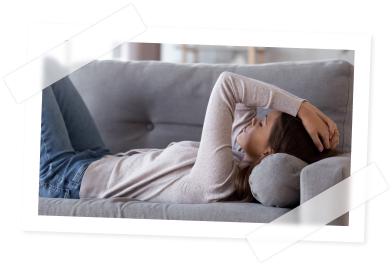
Symptoms of migraine include:
- Painful, throbbing headache
- Nausea and vomiting
- Sensitivity to light and sound
- Blurred vision, flashing lights
- Numbness and tingling
Treatments
How can I treat my migraine?
Medications can help but they aren’t the only treatment option available. A holistic plan (one that combines lifestyle and other treatments) can help.
Everyone is different, so talk your Pharmacist through your symptoms to get the best advice for you. They may talk to you about:1
It’s also a good idea to keep a migraine diary to identify your triggers and make plans to avoid them where possible. Download a free migraine diary HERE
Types of headaches
Primary headaches
Also known as headache disorders as the headache itself is the condition. These include tension headaches, cluster headaches, and migraines, among others.
Secondary headaches
These headaches are a symptom of another condition such as a medical condition, infection, dehydration, or an injury. Treatment for secondary headaches is usually based on the cause of the headache.

Symptoms
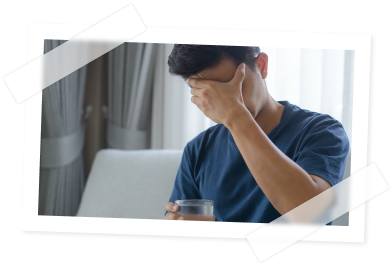
Tension headache
This most common headache type causes mild to moderate pain that is usually unaccompanied by other symptoms
Cluster headache
Intense pain near or behind an eye, always on one side of the head; this throbbing and/or constant pain tends to come in clusters; sufferers become agitated and restless, unable to sit or rest through the pain
Sinus headache
Deep pain in the forehead, cheekbones or bridge of the nose due to inflammation of the sinuses
Medication overuse headache
Can be caused by using pain medication more than three times a week; to avoid, follow your doctor or Pharmacist’s recommendations on medication type, dosage and frequency
If you have a headache that is unusual for you, is unusually severe, steadily becomes worse or causes you worry for any reason, talk to your doctor.
Treatments
How can I treat my headache?
Treatment depends on the cause of your headache. Acting as soon as you start to feel symptoms, especially if they are familiar to you, is usually more effective than letting them worsen. You may try:
- Over-the-counter pain relief for infrequent headaches
- Prescribed medications in the case of more frequent pain
- Resting in a darkened, quiet room
- Sleep
- Applying a warm or cool compress to your forehead or neck
- Walking outdoors
- Avoiding triggers (these may be caffeine, stress, too little sleep, non-ergonomic workspaces)
- Treatment for underlying conditions (such as neck problems, stress, sinus infection)
Using pain medication more than three times a week can lead to “medication overuse headache”. To avoid this, follow your doctor or Pharmacist’s recommendations on medication type, dosage and frequency.
It’s also a good idea to keep a headache diary to identify your triggers and make plans to avoid them where possible. Download a free headache diary HERE