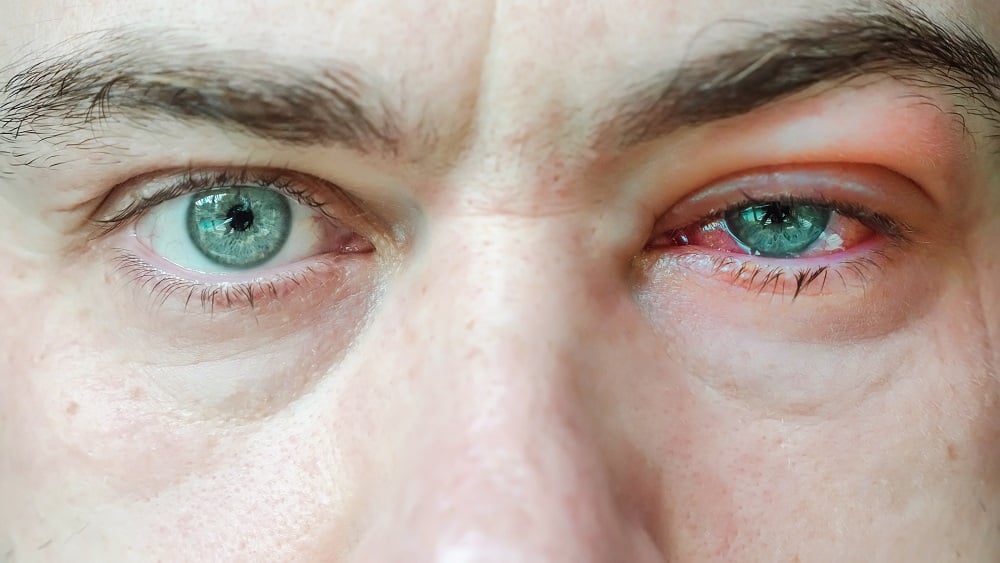







Conjunctivitis
What is conjunctivitis?
Also known as ‘pink eye’, conjunctivitis is inflammation or infection of the conjunctiva (the thin clear outer layer of the eye) and the eyelid. This causes the white part of the eye to look pink or red.
Conjunctivitis is the most common eye infection.1 It can affect anyone but it’s especially common in children under 5 years of age.2 This infection can be extremely contagious if it’s caused by bacterial or viral infections. As it has the potential to affect vision it’s important to visit your doctor or Pharmacist for advice if you suspect you, or your child has conjunctivitis.
Symptoms of conjunctivitis
There are different kinds of conjunctivitis that may present differently. However, the typical signs and symptoms include3 4:
- red or pink eyes (one or both eyes may be affected)
- redness behind the eyelid
- swollen or puffy eyelids
- excessive tears
- yellow-green pus which dries when sleeping, causing a crust around the eyelids
- sensitivity to bright lights
- gritty feeling in the eyes
- itchy or irritated eyes
Symptoms usually develop within 24 to 72 hours of being infected. They may last from two days to three weeks.
What causes conjunctivitis?
There are three types of conjunctivitis, each caused by different factors5:
- Infectious — Caused by bacterial or viral infections, this type of conjunctivitis can be passed on to other people.
- Allergic — This type is not contagious as it’s caused by allergens such as pollens. Allergic conjunctivitis is often accompanied by symptoms of hay fever.
- Chemical or irritant — Caused by irritants such as chlorine, dust or other chemicals, or even abrasions or trauma to the eye, this type is not contagious.6
Babies can also develop conjunctivitis if one of their tear ducts becomes blocked.
Treatment for conjunctivitis
Treatment will depend upon the type of conjunctivitis you have.7
When should you see a doctor?
Many eye conditions can cause inflammation or redness in the eyes, so it’s always a good idea to see your doctor or eye specialist to ensure you get the right treatment.
Conjunctivitis can cause the cornea of your eye to become inflamed which can lead to vision problems. This is why it’s important to visit your doctor (or optometrist) if you experience any of the symptoms of conjunctivitis. You should also see a doctor or eye specialist if:
- home remedies have not alleviated your symptoms
- you experience vision problems or light sensitivity
- you feel like something is stuck in your eye.
Can you prevent conjunctivitis?
If you have infectious conjunctivitis, you should take the following steps to reduce the risk of it being passed on to other people:11
- avoid touching your eyes
- wash your hands regularly
- use a clean washcloth and towel daily
- avoid sharing washcloths and towels
- change your pillowcase often
- avoid sharing makeup items
- throw away your eye makeup to avoid being re-infected
You can also reduce the risk of developing conjunctivitis by12:
- changing contact lenses regularly
- wear eye protection if you work with irritants or in a dusty environment
- wearing goggles when swimming
- avoiding allergens and other triggers, if known.