





Burns
What are burns?
A burn is an injury or damage to the skin or other tissue that is caused by heat, UV radiation, electricity, chemicals or friction. Burns can vary in their severity from minor to life-threatening. The most common cause of burns is thermal (caused by heat), in particular those caused by hot drinks, food, fats and cooking oils1. In Australia, there are about 50,000 burns-related hospital admissions per year,2 with the home being the most common location where burns occur.3
Types of burns
Burns used to be classified in degrees (e.g. first-degree, second degree, etc.). Now burns are classified according to their depth as follows4 5:
Regardless of the depth of the burn, a major burn is defined as one that:
- involves more than 20% of the total body area of an adult.
- involves more than 10% of the total body surface of a child.
Major burns are a medical emergency and require urgent treatment.6
What causes burns?
Burns can be caused by many factors. Scalds, caused by hot water, hot water bottles, steam or hot oil are the most common causes of burns — even more common than sunburn.7 Other causes of burns include:
- radiation (e.g sunburn, over-exposure to x-ray)
- hot solids (e.g. hot ovens or stovetops, frying pans, candle wax, heaters, hair straighteners)
- flames (e.g. fireplaces, BBQs)
- electricity, including lightning
- chemicals (e.g. bleach, concrete mix, drain or toilet cleaners, solvents, metal cleaners, chlorine, phosphorous, petrol)
- friction (e.g. skin is scraped off by contact with surfaces such as roads, gravel, carpets, or treadmills)
Who is at risk of burns
Anyone can be at risk of burns. However, research has shown that those most at risk are:
- children aged under 4 years
- older adults — one in eight adult burns patients are over 65 years of age8
Statistics also show that males are more likely to be hospitalised for burns than females, and Indigenous Australians are 2.7 times more like to be hospitalised compared with non-Indigenous Australians.9
First aid for burns
Immediately cooling a burn is a critical step in first aid for burns. Unfortunately, only 70% of children and 60% of adults receive appropriate first aid when they sustain a burn.10
If on fire:
- Stop, drop to the ground, cover face and roll to smother the fire
- Smother flames with a fire blanket
- Move away from the source of heat
- Follow the first aid protocol
If it’s a chemical burn:
- Wash off the chemical immediately with a large quantity of water and continue to do so for up to 60 minutes
- Remove contaminated clothing or footwear but do not remove anything that is stuck to the skin
- Follow the first aid protocol
First aid protocol
Regardless of the type of burn, first aid for burns is the same. You should13 14:
REMOVE clothing and jewellery (including nappies in the case of children) as clothing can hold heat, and jewellery can prevent blood flow to the burnt area if swelling occurs. Do not remove clothing if it is stuck to a burn.
COOL the burn for no more and no less than 20 minutes. If running water is not available, spray cool water on the burn, or wet 2 cloths and apply to the burn every 30 seconds, alternating between cloths, and re-wetting them to keep cool.
COVER the burn loosely with cling wrap or a clean, damp lint-free cloth.
DO NOT use the following products on a burn, as they are not effective and may cause further damage to the skin:
- ice
- butter
- toothpaste
- creams
- bandages
When to see a doctor
Most small burns and scalds will heal themselves in around 10 to 12 days and won’t require medical treatment. However, you should call an ambulance (000) if 15:
- the burn is larger than a 20-cent piece
- the burn involves the airway, face, hands or genitals
- the burn is deep, even if it seems painless
- the skin looks leathery
- there are patches of brown, black or white
- chemicals or electricity caused the burn
- the patient is having trouble breathing
How are burns treated?
Burn treatment aims to control pain, remove dead tissue, prevent infection and reduce scarring. Treatment for a burn will depend upon the type of burn and how severe it is.
Epidermal burns, including sunburn will usually heal within a few days and won’t require medical treatment. However, you may wish to take over-the-counter (OTC) pain relief if necessary.
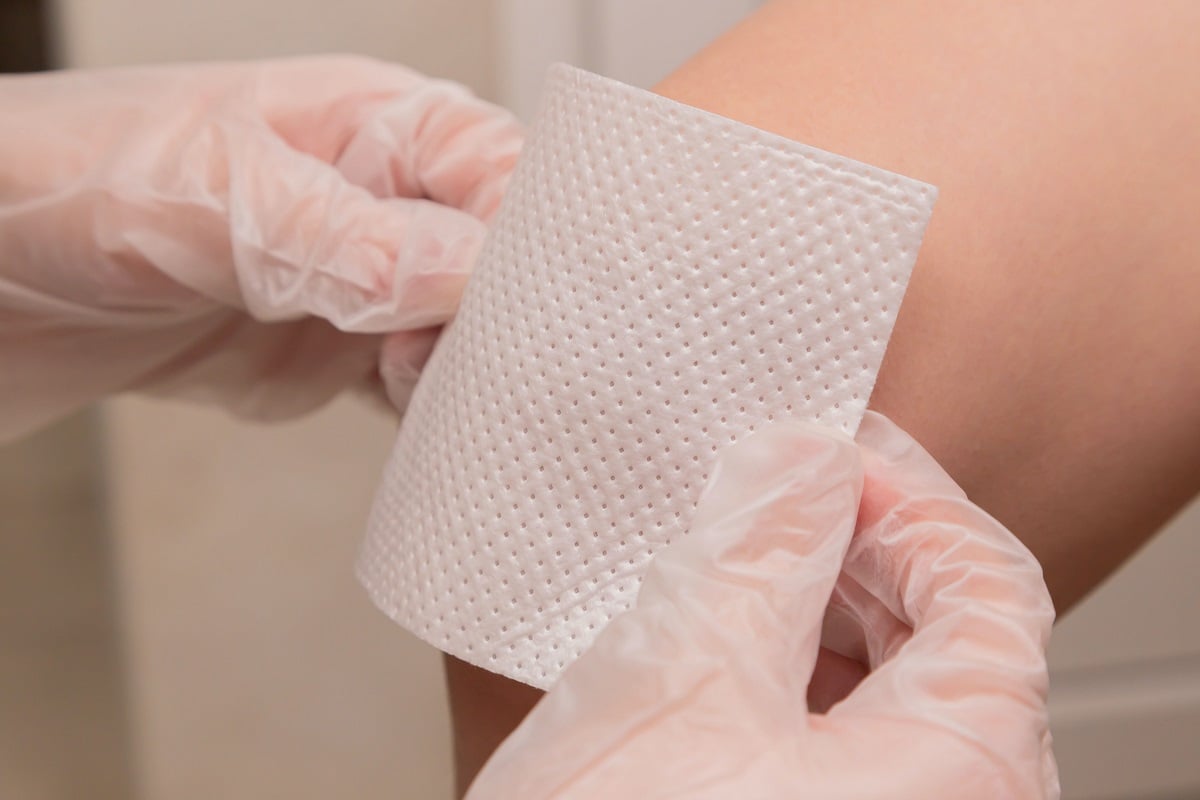
Superficial burns may require pain relief, dressings and regular check-ups with your doctor to ensure the burn doesn’t get infected.
Treatment for deep or serious burns may involve:
- pain relief medication (both OTC or prescription)
- a cool shower
- intravenous fluids through a drip
- dressings
- antibiotics if the burn becomes infected
- possible admission to hospital or a burns unit
- surgery, including skin grafts or amputation (usually if a limb is not able to be saved)16

What are the complications of a burn?
There is the potential for someone with burns to develop complications. These will depend upon the type of burn and the severity. They may include17 18:
- injury to the lungs from smoke inhalation
- loss of fluid from the burned skin, leading to shock
- hypothermia, as burnt skin cannot properly regulate temperature
- infection which may lead to sepsis (infection of the bloodstream)
- scarring, disfigurement and potentially problems with bones and joints

How to prevent burns?
Fortunately, you can take steps to prevent burns and scalds by following these tips:
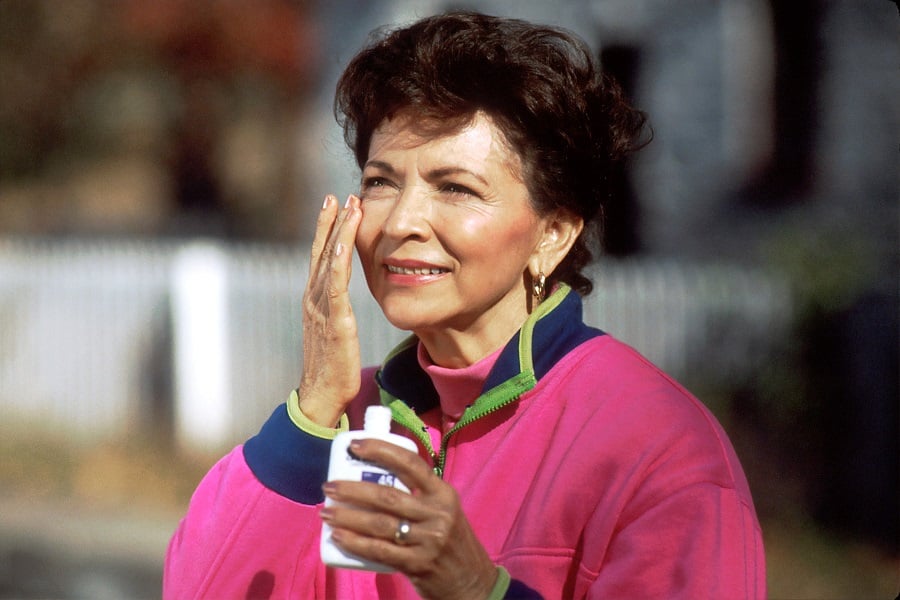
- always use sun protection when out in the sun, including a broad-spectrum, water-resistant sunscreen (SFP 30+)
- ensure all hot liquids are out of reach of children
- turn pot handles inwards on the stove
- wear heat-resistant oven mits when handling hot pots and pans
- unplug electrical items when not in use
- have a working smoke detector and a fire extinguisher in your home
- use protective clothing (i.e. gloves, glasses, etc.) when using chemicals
- store chemicals safely, especially out of reach of children
- ensure tap water is below 50⁰C to prevent scalds
- take care around fireplaces and heaters and consider using a protective screen if you have young children
How TerryWhite Chemmart can help
Your local TerryWhite Chemmart pharmacist can help you manage your health and recommend a range of products to assist with the symptoms of burns, including dressings and pain relief medication. Speak to your TerryWhite Chemmart pharmacist about your symptoms so we can recommend products and medications that may be suitable for you.