







Anaemia and low iron
Content sponsored by


What is anaemia?
Anaemia is defined as a deficiency in the number of red blood cells in your body. Red blood cells are important as they carry oxygen around your body using a protein called haemoglobin. This protein is also what makes red blood cells red.
There are different types of anaemia which include:
- Iron deficiency anaemia (IDA) — related to low iron levels
- Aplastic anaemia — when your body stops producing enough new blood cells
- Sickle cell anaemia — part of sickle cell disease
- Thalassemia — an inherited blood disorder causing your body to have less haemaglobin than usual
- Vitamin deficiency anaemia — linked to low levels of vitamin B12, vitamin C and folate. Anaemia due to low vitamin B12 is also known as pernicious anaemia

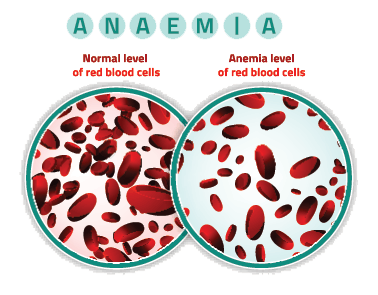
This article will focus on IDA as it is the most common type of anaemia. 1
It’s estimated that more than 1 million Australians are affected by iron deficiency and anaemia. The condition more commonly affects women with just over 15% aged 18-30 and 13.7% aged 30-39 experiencing iron deficiency. 2
What is the link between iron and anaemia?
Your body constantly makes red blood cells which are formed in the bone marrow (the soft spongy tissue in the centre of your bones).
In order to produce haemoglobin, your body requires the mineral, iron which is usually obtained through your diet. Your liver also has small reserves of iron, that your body can draw upon if needed.
However, once these reserves have been depleted, your body won’t be able to produce enough haemoglobin to make the red blood cells.
Anaemia signs and symptoms
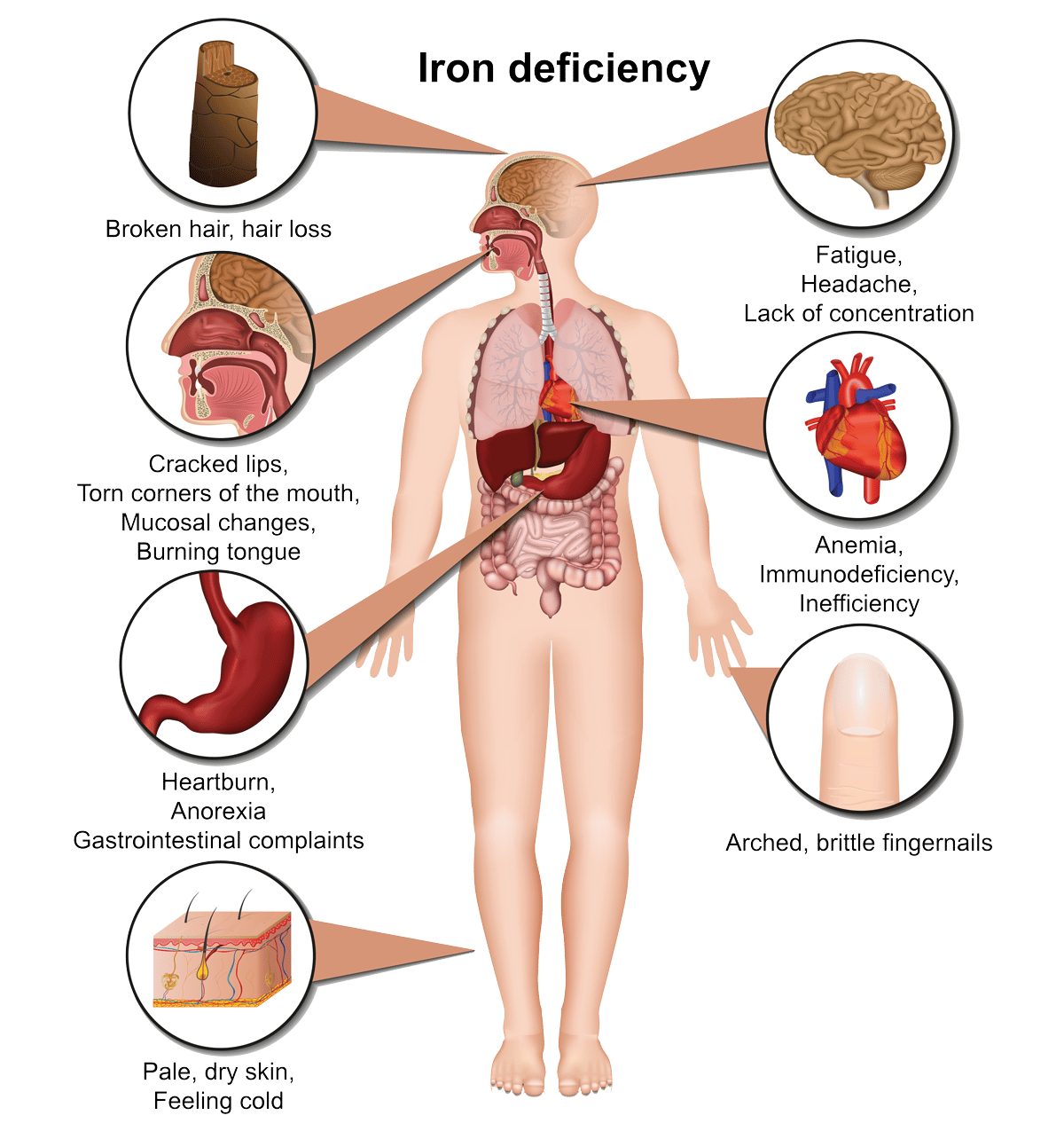
If you have IDA, you may not notice straight away. However, as you body becomes more deficient in iron and your anaemia gets worse, signs and symptoms will become more noticeable. These may include3:
- feeling tired and weak
- pale skin
- cold extremities (i.e. feet and hands)
- breathlessness, even when not overly exerting yourself
- feeling dizzy or light-headed
- irregular or fast heartbeat
- frequent headaches
- difficulty concentrating
- irritable mood
- strange food cravings
- loss of appetite
- red or cracked tongue

What causes anaemia?
Most cases of anaemia occur as a result of low iron levels which can be caused by:
- lack of iron in the diet
- being unable to absorb iron from your diet (known as malabsorption)
- blood loss (due to heavy periods or endometriosis)
- periods of rapid growth (e.g. puberty and pregnancy)
- internal bleeding caused by other medical conditions such as stomach ulcers, polyps in the colon (bowel) or colon cancer
- drugs and medications including alcohol, antibiotics, anti-inflammatory medications or anti-coagulants
- other medical conditions including autoimmune disorders, chronic disease, hormone disorders and bone marrow disease
Who is at risk of anaemia?
While anyone can develop anaemia, some people are at higher risk.4, 5 These include:
- vegetarians or vegans
- people who have a poor diet
- menstruating women, especially if they have heavy periods
- regular blood donors
- pregnant women or children going through puberty
- people with conditions that cause bleeding in the stomach or bowel (e.g. Chrohn’s disease, ulcerative colitis, stomach ulcers or bowel cancer)
- people with conditions that affect the absorption of nutrients (e.g. inflammatory bowel disease, coeliac disease)
- people with disorders of the bone marrow, including leukaemia
How is anaemia diagnosed?
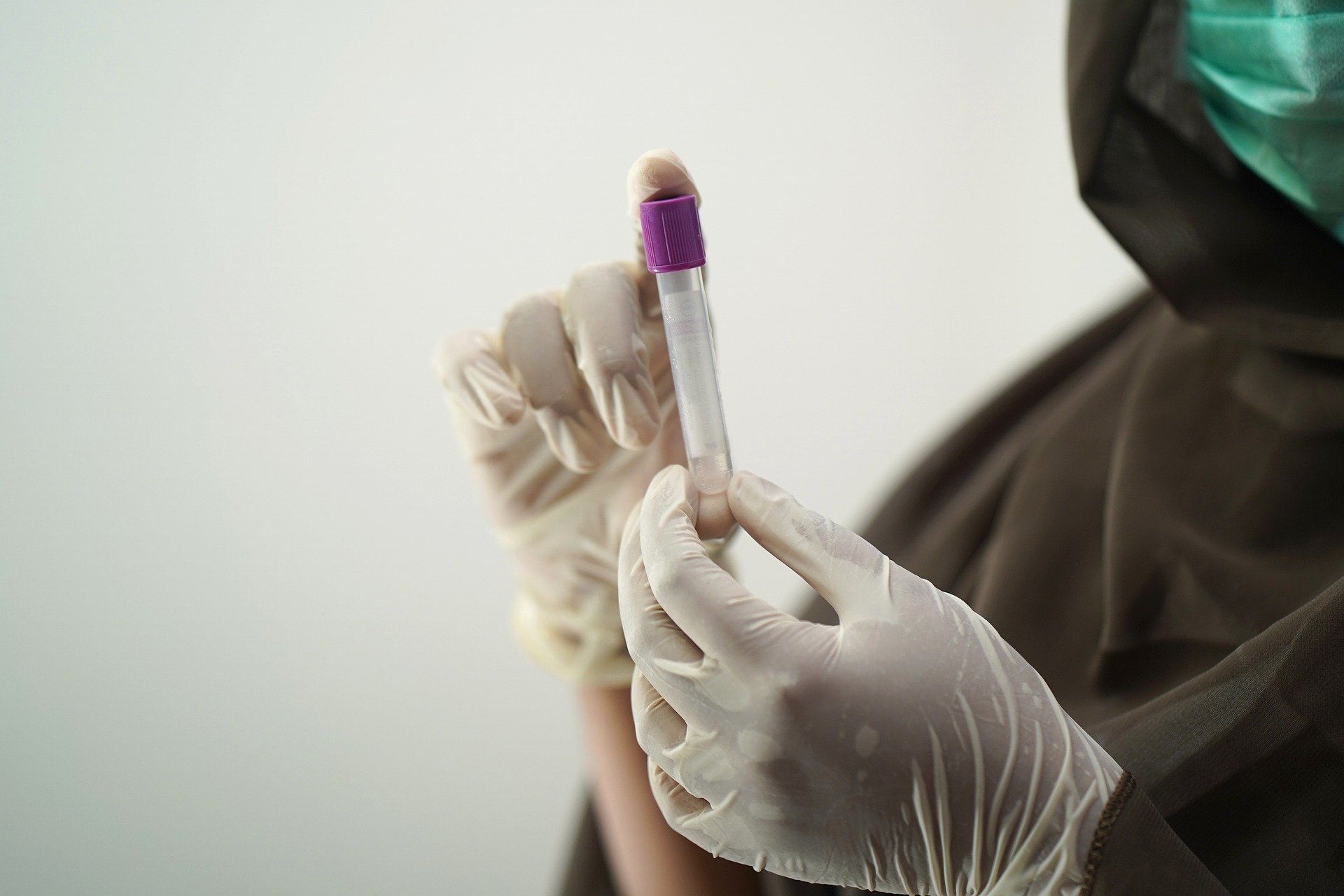
Anaemia is usually diagnosed through a blood test called a complete blood count (CBC). A CBC measures the different types of cells in your blood. Your doctor may also look at iron levels, vitamin B12, folate and kidney function tests to help determine the cause of your anaemia.
Other tests that may be used to diagnose the cause of your anaemia include:
- urine test to check for blood in the urine
- gastroscopy —examination of the upper digestive tract via an endoscope (thin, flexible tube with a camera) to check for bleeding
- colonoscopy — examination of your bowel via a colonoscope (like an endoscope) to check for bleeding
- bone marrow biopsy
- faecal occult blood test — testing a stool sample to check for the presence of blood

How to treat anaemia
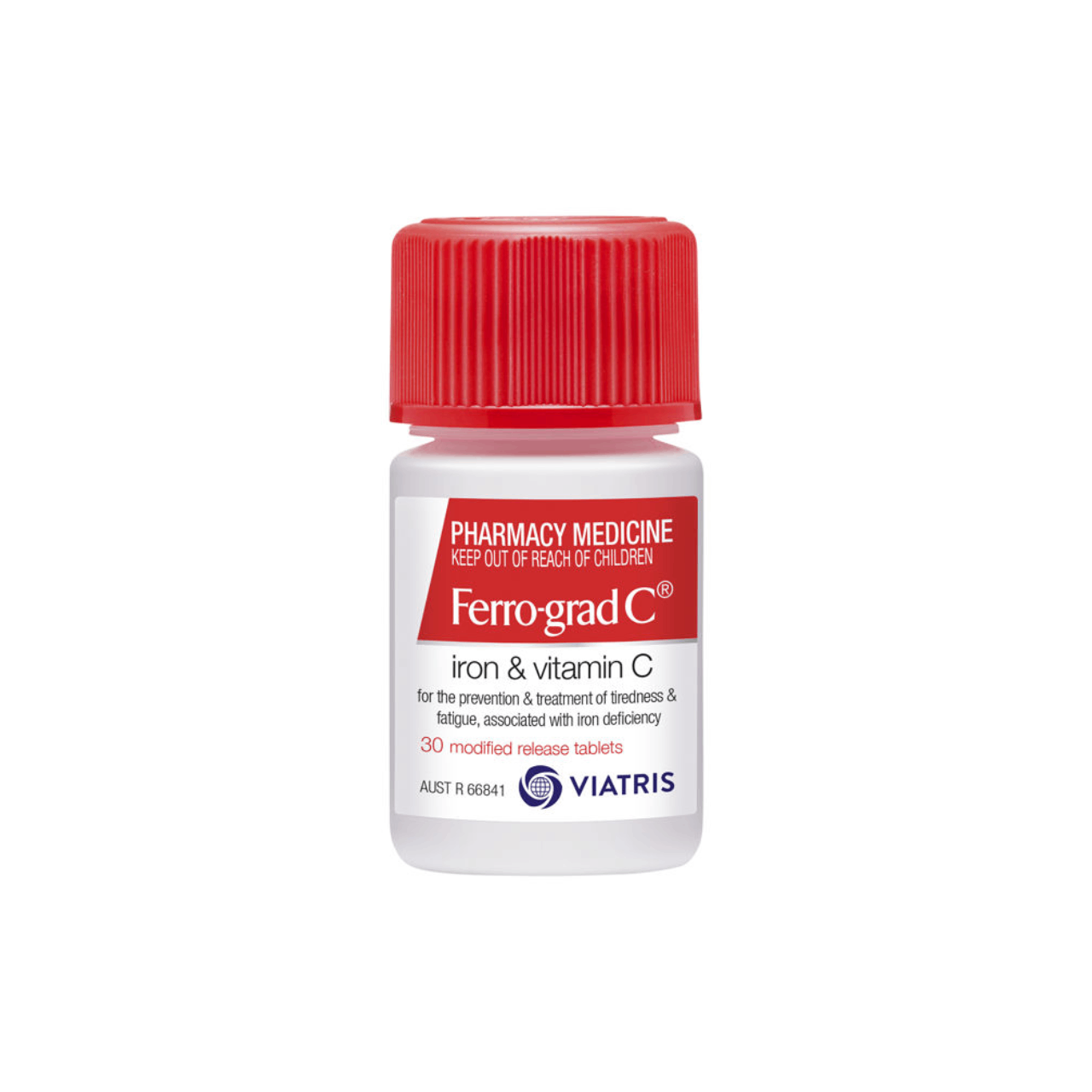
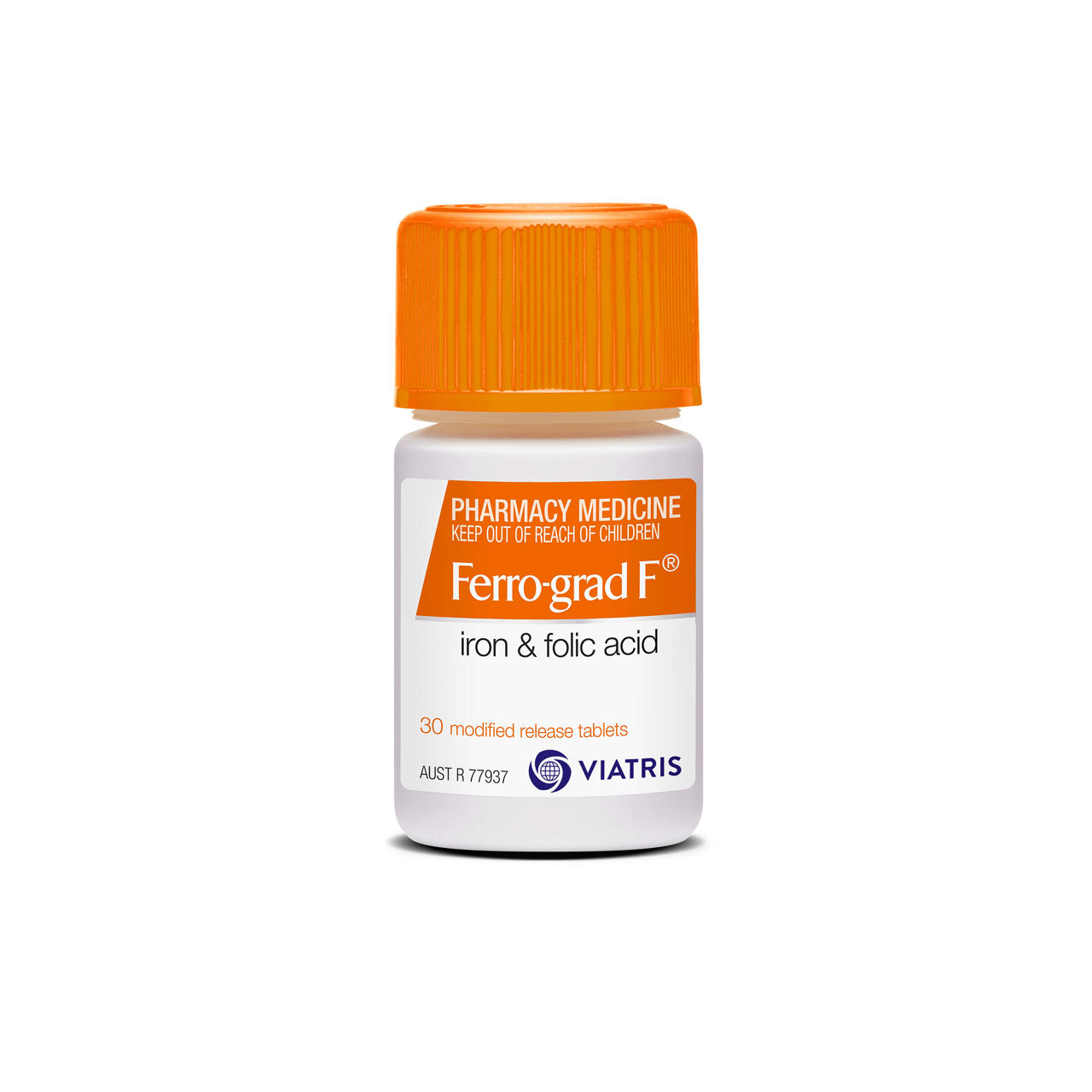
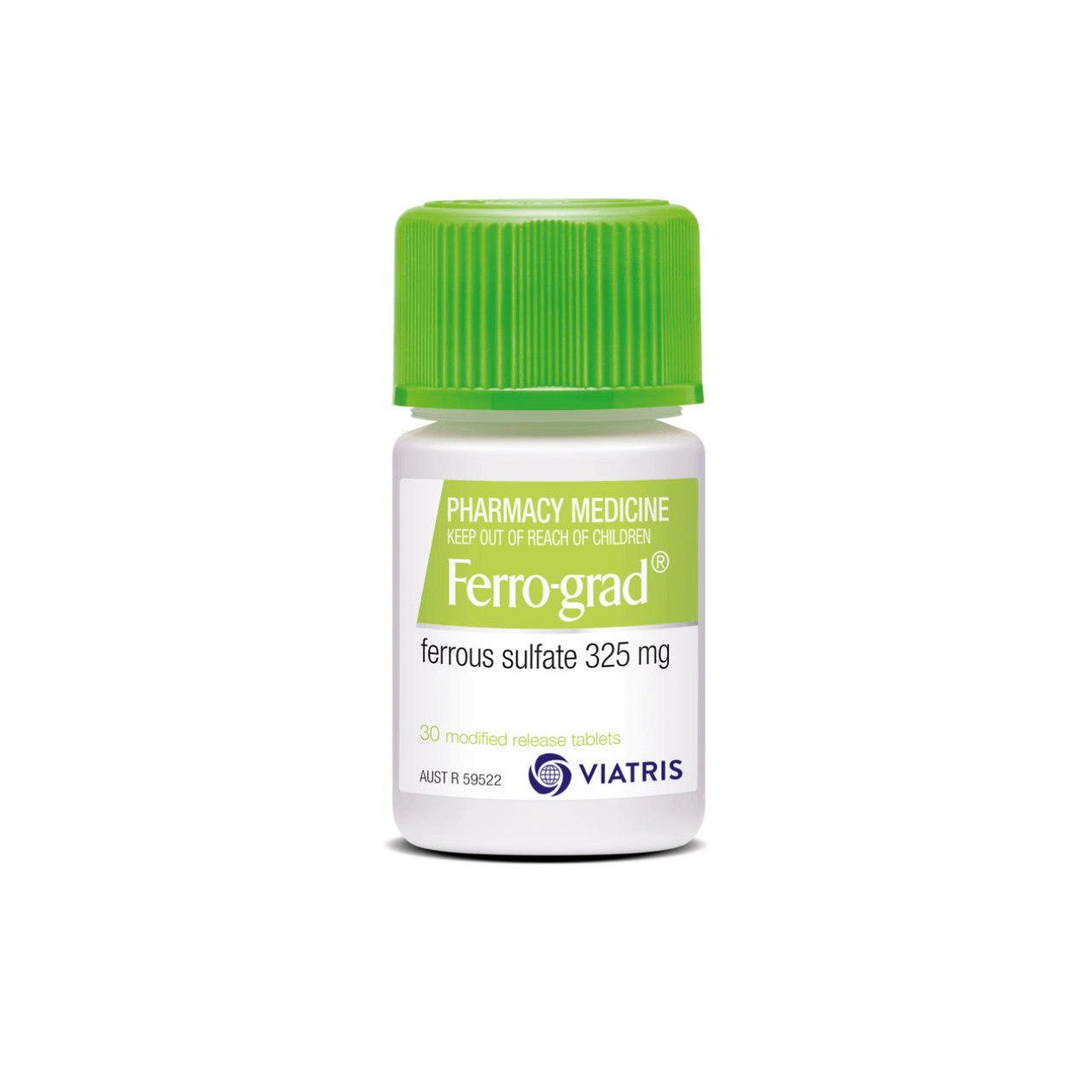
Treatment for IDA usually involves taking over-the-counter (OTC) iron supplements. It’s important that you follow the directions outlined by your doctor, especially the dosage, as too much can be dangerous.
If you are very low in iron or oral iron supplements aren’t effective, your doctor may also suggest an iron infusion (where the iron is delivered to you into a vein via a needle).
Treatment may also involve addressing issues related to other medical conditions that may be contributing to your anaemia.


Can you prevent anaemia?
You can reduce your risk of developing IDA by eating a well-balanced diet that includes iron-rich foods such as red meat, turkey, shellfish (oysters, crab, prawns), legumes (beans, lentils, chickpeas), and spinach.. If you are a vegetarian or vegan, seeking the advice of a dietitian may be helpful.
It’s also important that you see your doctor regularly to manage any health conditions that may increase your risk of developing anaemia. Treating the underlying cause of your anaemia will cure it. However, even if no cause is determined, the long-term outlook for people is good, provided the symptoms are treated.
How TerryWhite Chemmart can help
There are numerous factors that can contribute to anaemia, including medication. At TerryWhite Chemmart, we can help you manage your health with a Medication Review, where one of our pharmacists will review your medication and discuss the best ways to manage your health. We can also provide advice as to which OTC iron supplements may be appropriate for you.
Book a Medication Review at your nearest TerryWhite Chemmart today.
Products that may help
Always read the label and follow the directions of use



Disclaimer
General advice only – this information should not replace the information provided to you by your health care professional. If symptoms are severe or persist, please speak to your health care professional. Information current as of date of publishing.
Sources: