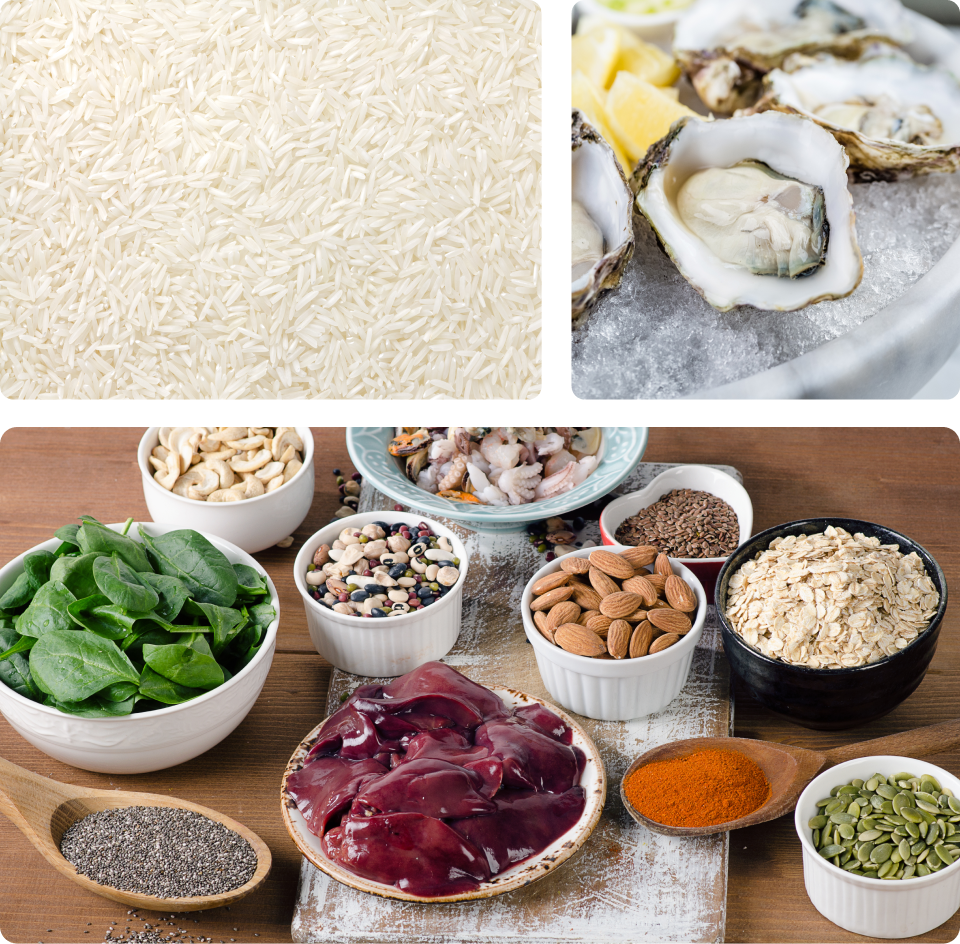






What are minerals, anyway? Here’s your cheat sheet of foods to look for





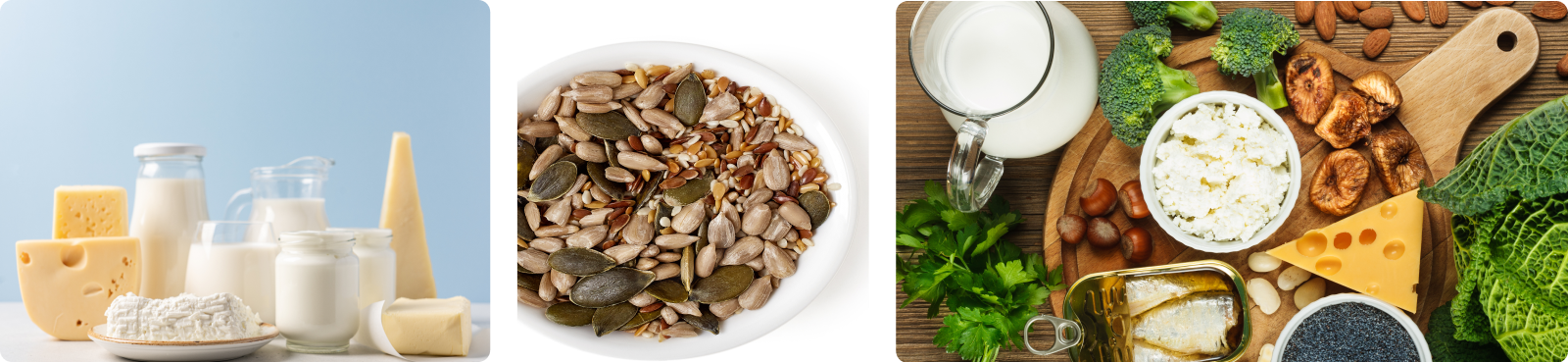

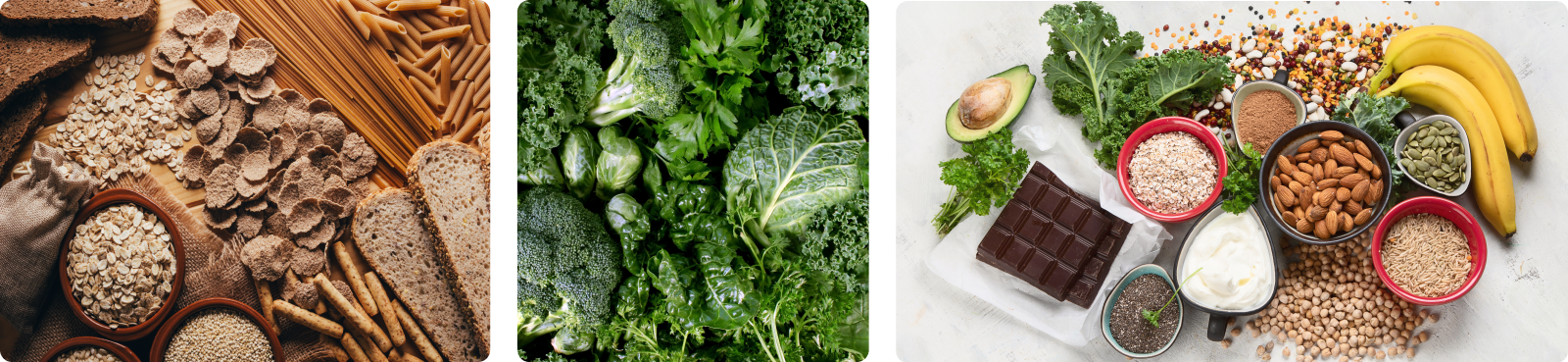

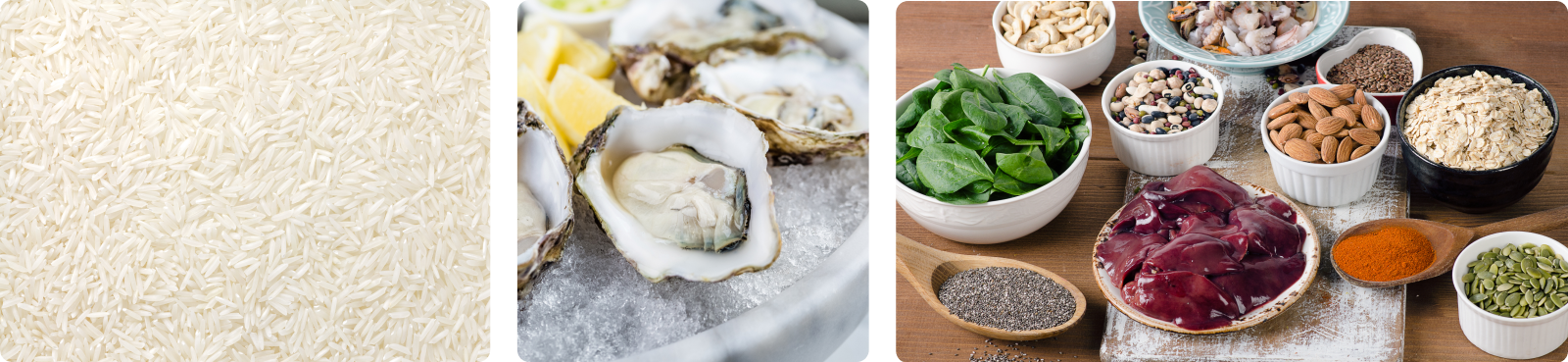
1. Iodine
Essential for normal growth and brain development. Iodine helps the thyroid gland make hormones which help regulate our metabolism. This is important for our bone and nerve growth, as well as how our body uses fats, proteins and carbohydrates.
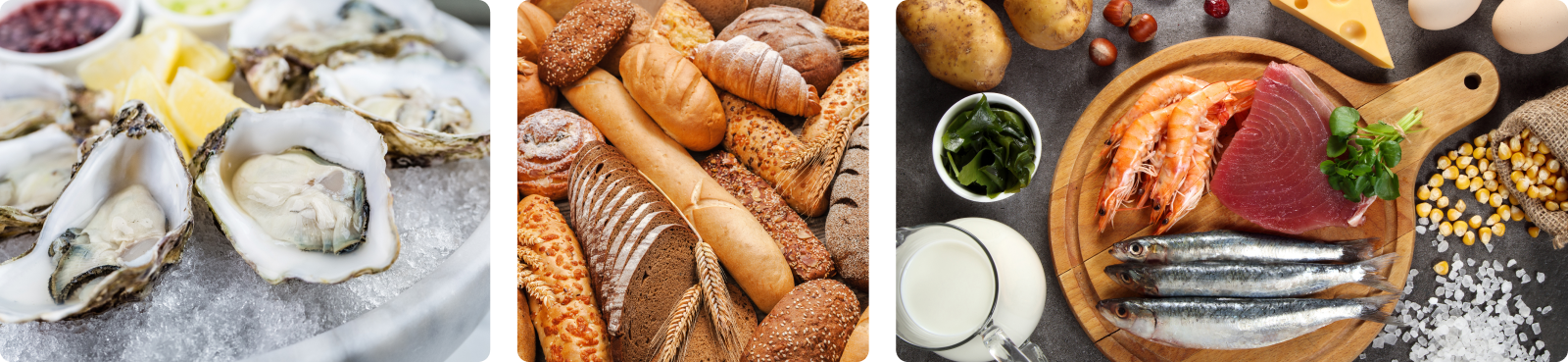
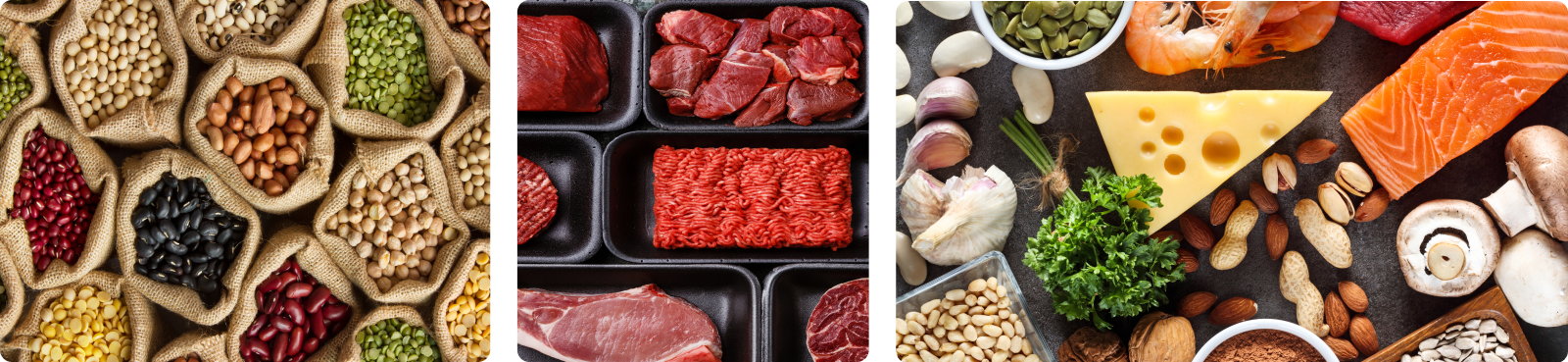
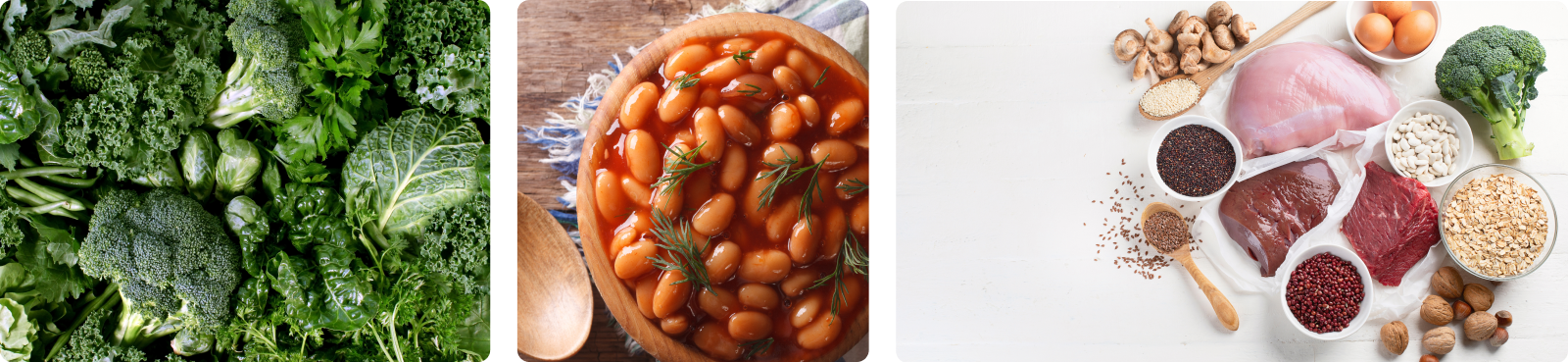
Get it in oysters, snapper, seaweed, tinned salmon, bread, eggs, milk and yoghurt.

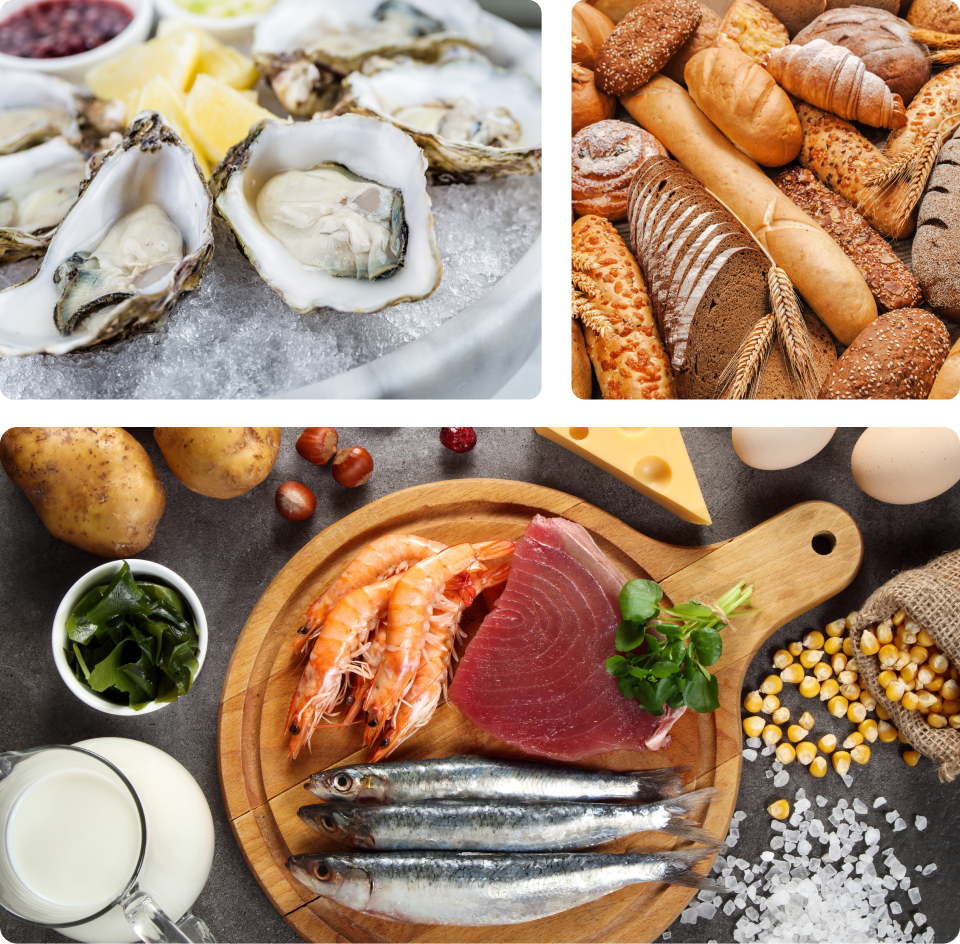
2. Zinc
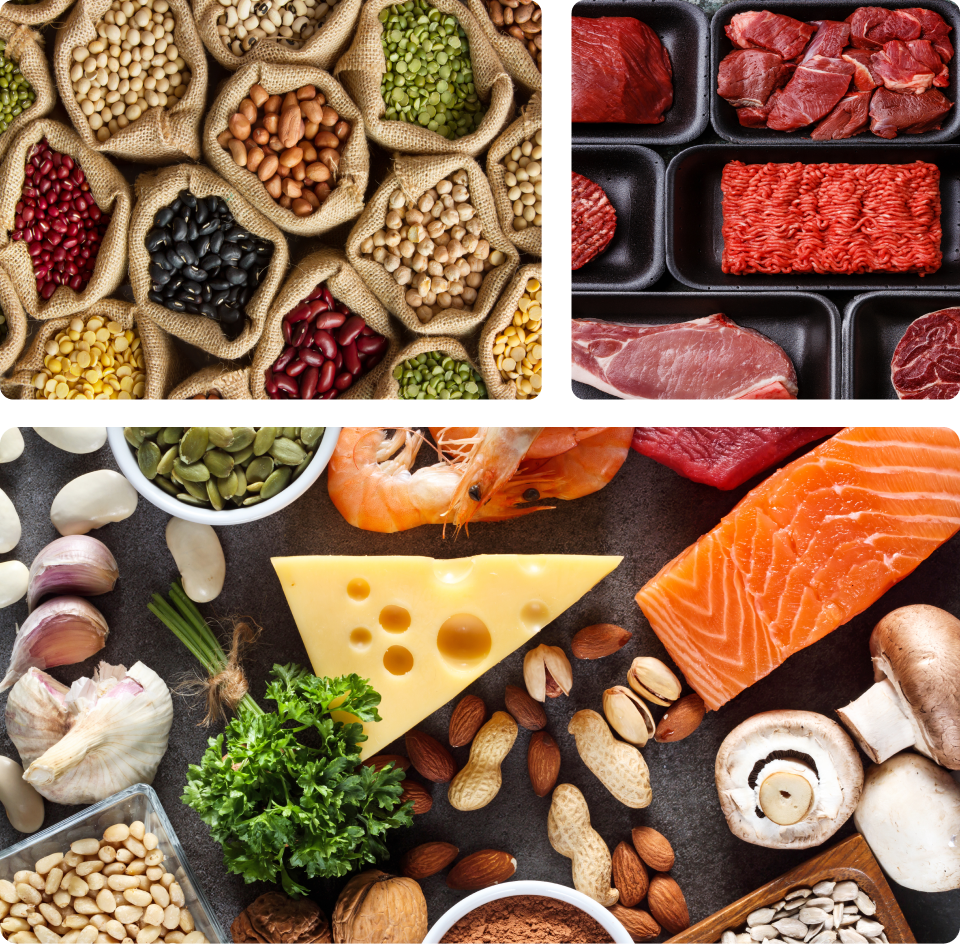
Zinc is important for skin health and wound healing, growth, keeping the immune system strong and the normal function of blood clotting, taste and smell.
Find yours in meat, fish, poultry, cereals, whole grains, nuts, seeds, legumes and dairy. Zinc is more readily absorbed from animal-based foods.

3. Iron
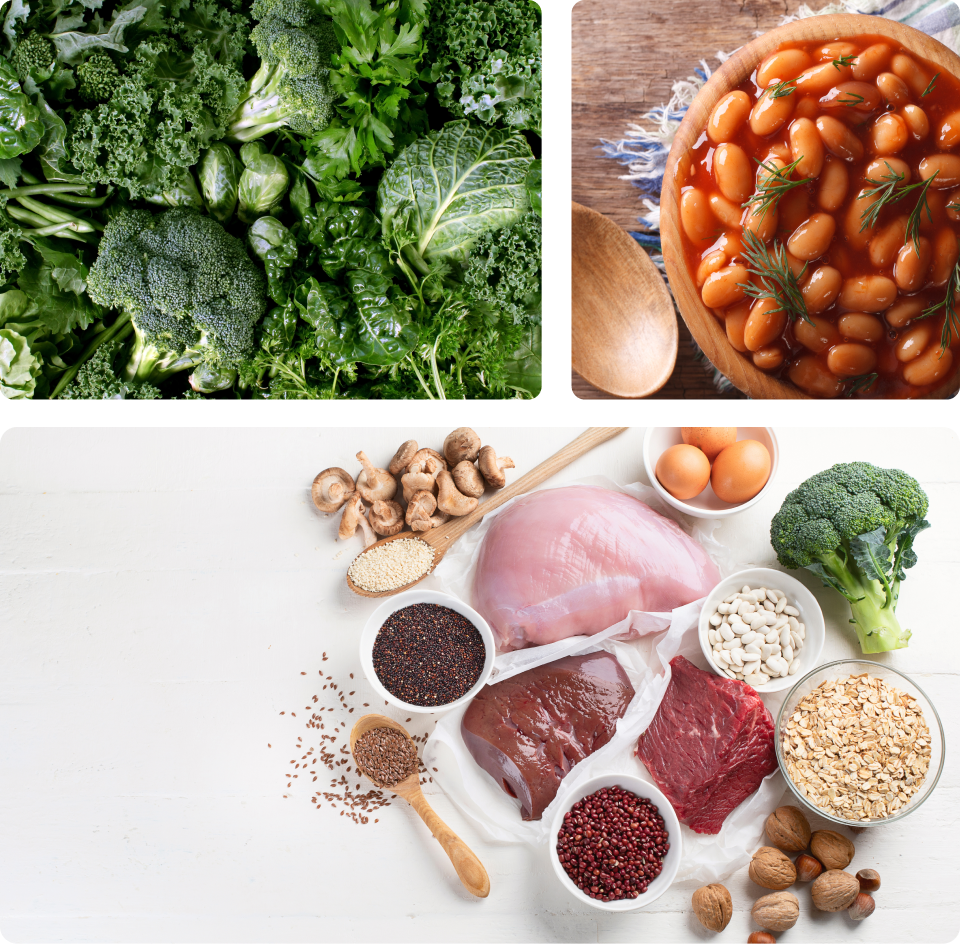
Supports with red blood cell function and helping oxygen move throughout the body. It also plays a role in making energy and storing oxygen in our muscles.
It’s found in liver, red meat, salmon, chicken, tinned tuna, baked beans, legumes, green vegetables, tofu, eggs, fortified cereals.

4. Calcium
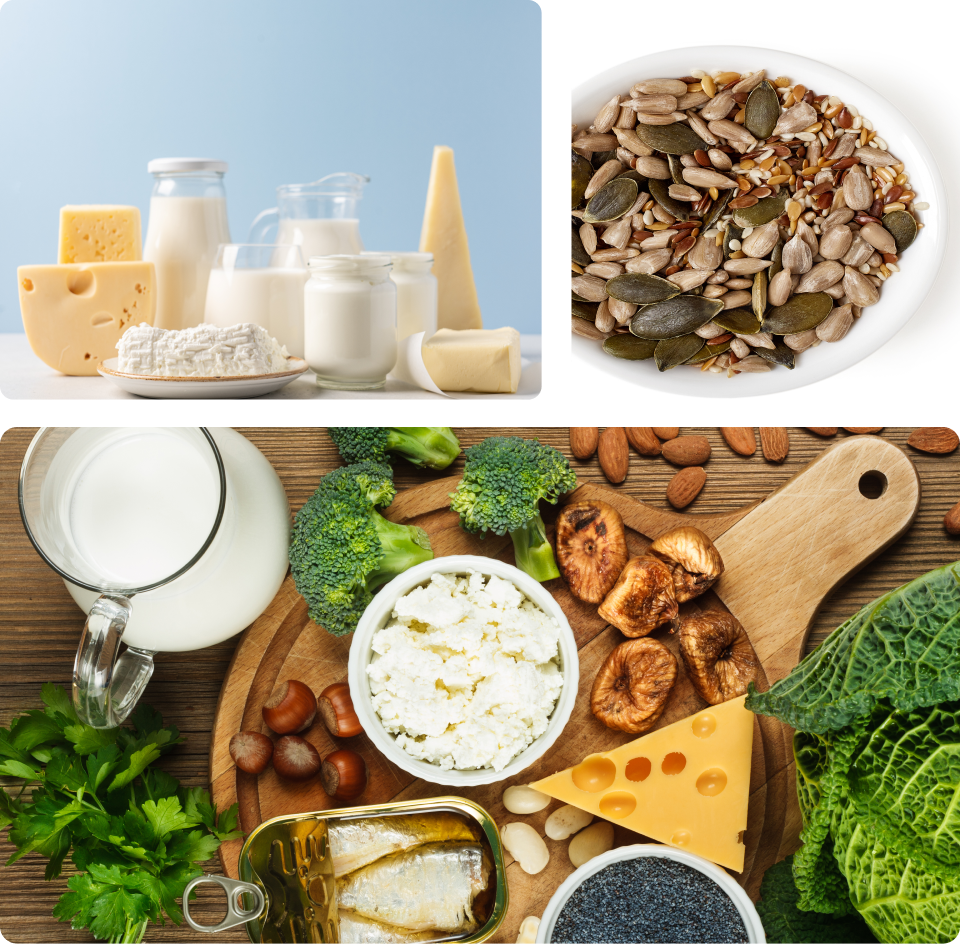
Essential for the health of our teeth and bones as well as regulating nerve, muscle, enzyme and heart function.
Look to milk, yoghurt, cheese, soy products, leafy green vegetables, nuts and seeds.

5. Magnesium
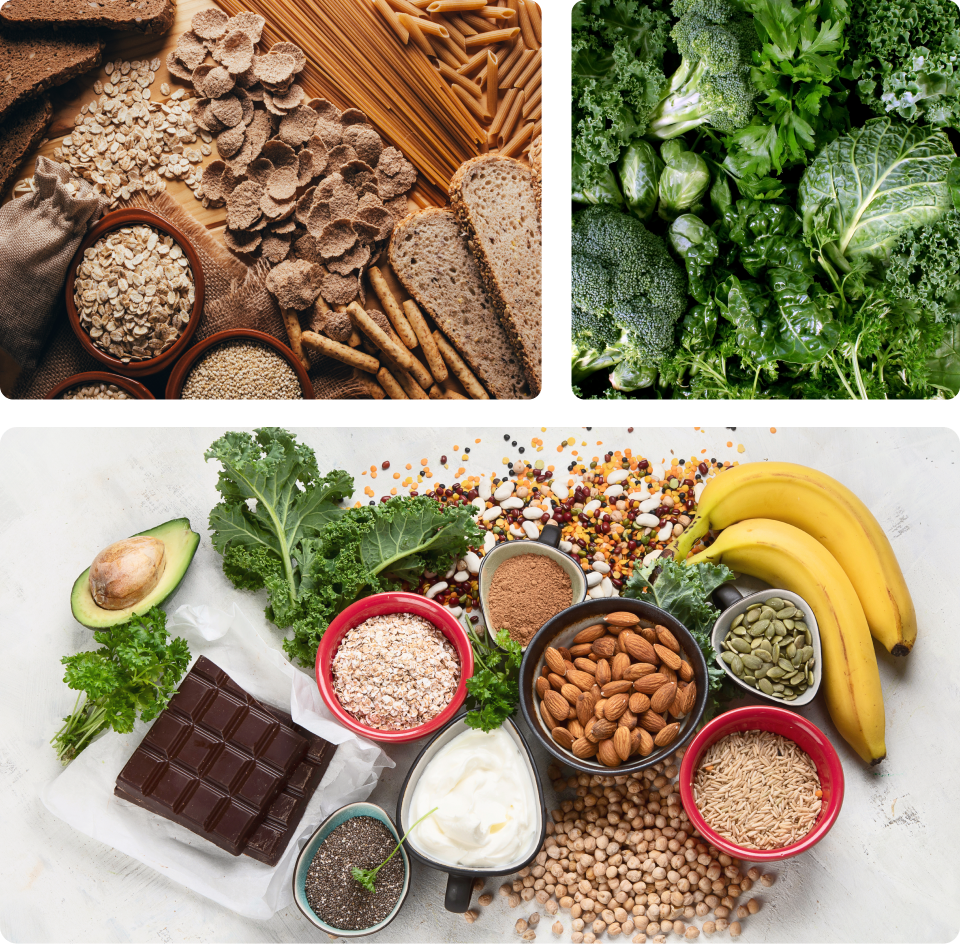
Helps muscles and nerves work properly, maintains blood sugar and blood pressure at the right levels. It also supports with making protein, bone and DNA.
Munch on green leafy vegetables, legumes, nuts and seeds, wholegrains.

6. Manganese
Involved in the functioning of amino acids, cholesterol, glucose and the metabolism of carbohydrates.
Look for it in whole grains, oysters, mussels, nuts, soybeans, legumes, rice and leafy vegetables.