





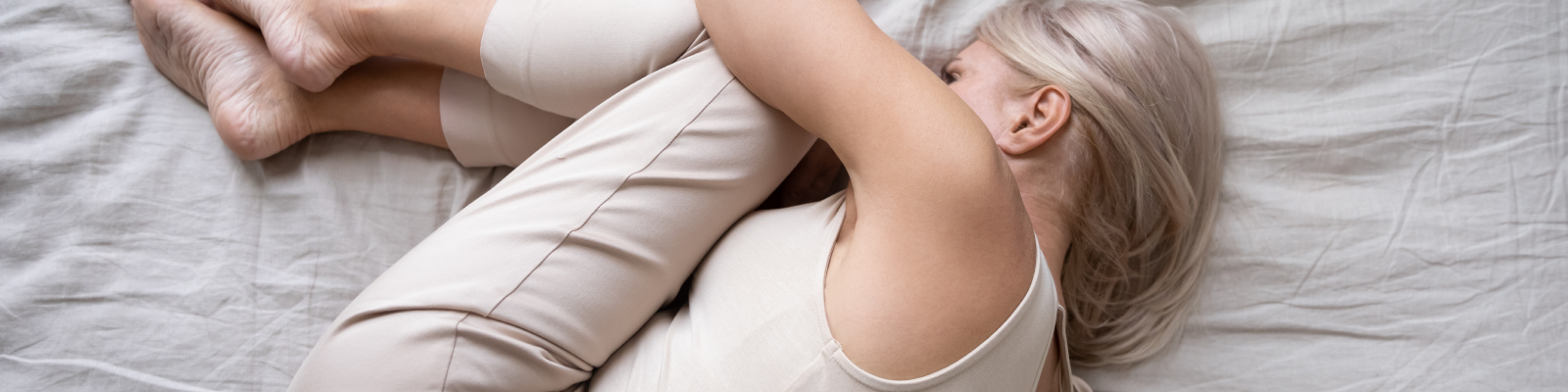
Give me tips to sleep better during menopause

Menopause is famously associated with hot flushes, which until you’ve experienced, can’t quite be understood. These can affect us both day and night, which makes knowing how to manage them a must during menopause. It’s no secret that being overtired can lead to emotional eating, poor moods, increased stress and irritability, reduced concentration and impact on our work and wellbeing. *Whew!*
Here are some of our tips for sleeping better during menopause
• Take a cool shower before bed
Consider leaving your hair slightly damp after washing it (it’s a myth that wet hair causes a cold)
• Use an icepack
Use it as you would a winter hot water bottle, to cool the area you’ll lie directly on or keep it close by as you doze off
• Choose light-weight, natural fibre sheets and pyjamas
Our favourites are cotton, bamboo and linen. (Honestly, if you prefer, sleep naked.)
• Keep a spare pair of pyjamas by your bed
This lets you change quickly, if you wake up uncomfortably damp from night sweats
• Make your bed a “layer cake”
Use two layers of mattress protector plus sheets. This means if you need to change your sheets during the night, you won’t have to search for fresh sheets
• Open the window or use a fan
More airflow = a more comfortable you
• Maintain good sleep hygiene habits
It’s always a good idea to get frequent exercise, have a regular bedtime, avoid large meals, screens, alcohol and caffeine before bed
What about helping my menopausal symptoms in general?
Be curious about what triggers your symptoms and work to avoid them
While it’s not clear what causes hot flushes, avoiding common triggers may help (think alcohol, caffeine, spicy food, heated rooms, smoking, bending over, stress and anxiety)2
Take steps to reduce stress
Feeling stressed can worsen hot flushes.3 It helps to have a variety of go-to stress-reduction methods available to you, such as breathing, relaxation, gentle exercise or mindfulness.
Maintain a healthy weight
While menopause shouldn’t be blamed for weight gain at this time of life, some evidence suggest that weight gain can impact on the severity of hot flushes and night sweats.4 In general, more severe menopausal symptoms are associated with being overweight.
Eat nutritious, whole food
Menopausal women require fewer kilojoules per day. To keep to a healthy weight, ignore fad diets and focus on quality, nutrient-dense foods rich in calcium, protein, fibre and healthy fats.
Keep fostering your community
Continue to foster friendships both old and new. Sharing stories, laughs and emotional support helps remind us we're not alone in our experiences.