






Why Sunscreen is Your Anti-Ageing Weapon

From face serums to expensive skin treatments, we invest a lot of time – and money – chasing a youthful-looking complexion. However, the single most effective way to avoid premature signs of ageing is also the most affordable and simple: sunscreen.
Helping to prevent fine lines, pigmentation and sun damage, broad-spectrum sun protection is an essential part of Australian life. Read on to discover why sunscreen is your anti-ageing weapon – and a skincare hero all year round.
Understanding UVA vs UVB
The sun emits two types of ultraviolet (UV) radiation that reach the earth’s surface: UVA and UVB. 95% of the UV radiation we’re exposed to comes from UVA rays1 and the remaining 5% from UVB. Both are damaging to the skin but in different ways.
More intense UVB rays affect the outer layers of skin and cause redness, sunburn and skin cancer. UVA rays, on the other hand, have a longer wavelength and penetrate more deeply. Responsible for tanning, they’re also responsible for premature skin ageing2.
Australia has high UV levels all year round
Internationally, we measure the combined intensity of UVA and UVB rays with the UV Index (UVI). Created by the World Health Organization (WHO), the Index measures radiation on a scale from 0 (Low) to 11+ (Extremely High). Sun protection, including broad-spectrum sunscreen, is recommended when the UVI reaches 3 or above3.
In many parts of Australia, this occurs from January to December. In fact, of the capital cities, only Hobart and Melbourne have average maximum UV levels lower than 3 during winter4. This means daily sun protection is crucial for most of the country.
Prematurely ageing UVA rays are constant
If you’re not applying sunscreen daily, consider this. 90% of the changes you see in your skin as you age are caused by repeated sun exposure5. And, while burning UVB rays may be weaker in winter, UVA rays are constant throughout the year.
Penetrating the skin and damaging collagen fibres, these are the rays responsible for most photo ageing – or sun-induced premature ageing. Photoaged skin can appear lined, wrinkled or leathery, with a loss of elasticity, age spots, pigmentation and broken capillaries.
So, if you want youthful-looking skin? Daily application of a broad-spectrum sunscreen is essential.
UVA rays penetrate glass and clouds
Just because you can’t feel the sun’s rays, don’t be fooled into thinking you’re not at risk. You’re as likely to be sunburnt on a cloudy day as a clear day, and sun damage is cumulative and occurs all year round. Even in winter.
Do you sit by a window at work or spend a lot of your day driving? Ageing UVA rays are particularly sneaky and able to penetrate glass and cloud. It might seem harmless but incidental UV exposure does add up – accelerating visible skin ageing over days, years and decades.

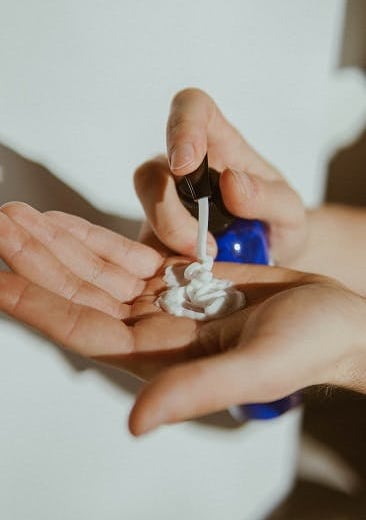

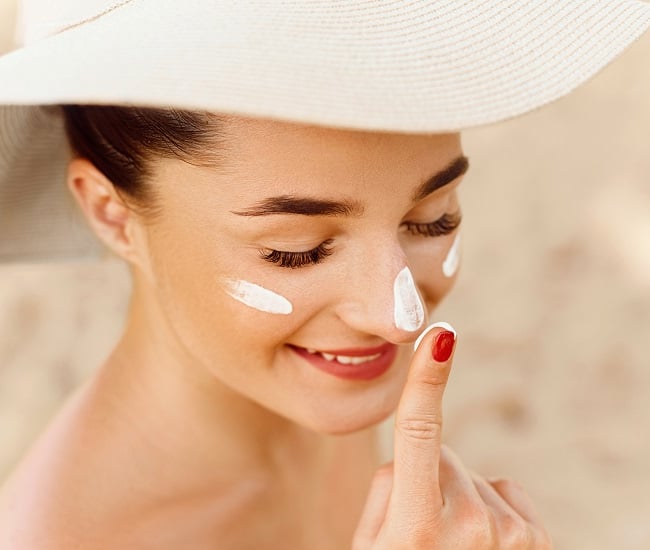
A high SPF isn’t the only thing to look out for
Think applying any SPF sunscreen each morning is adequate protection? Think again. The sun protection factor (or SPF) of a sunscreen simply refers to how well it protects you against sunburn. That is, how well it shields you from UVB. The number (30, 50 etc) refers to how much longer it will take you to burn wearing the sunscreen versus not wearing it.
To ensure you’re protected against UVA radiation as well as UVB, you need to choose a sunscreen marked as ‘broad spectrum’. The Cancer Council also recommends a minimum SPF of 30.
There’s a sunscreen for most skin types
A daily sunscreen should be comfortable, non-comedogenic and easy to include in your skincare regime. Thankfully, facial sunscreens have come a long way and there are options for every skin type.
Products that may help
Anthelios Invisible Fluid Facial Sunsceen 50ml

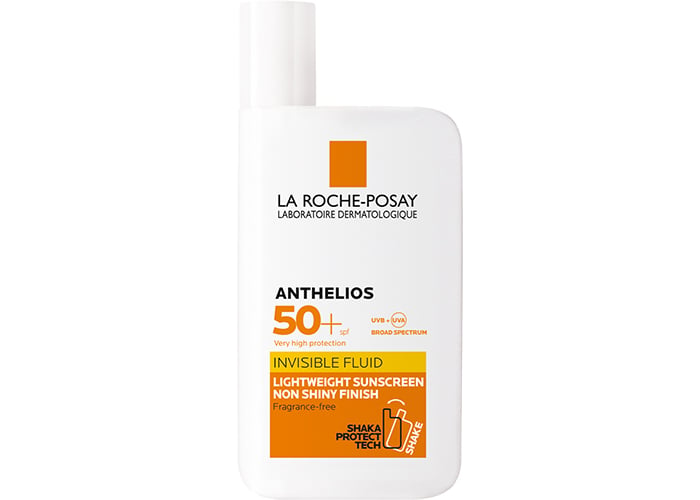
La Roche-Posay® Anthelios Invisible Fluid Facial Sunscreen SPF 50+ provides very high protection for normal to combination skin. The new formula features the La Roche-Posay Netlock technology allowing this sunscreen to be lightweight while maintaining very high protection.

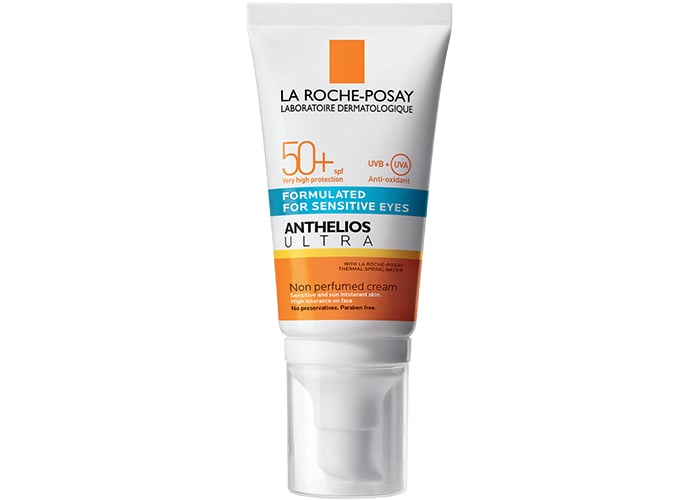
ALWAYS READ THE LABEL. FOLLOW THE DIRECTIONS FOR USE.
Apply 20 minutes before sun exposure. Sunscreen is only one part of sun protection so wear protective clothing, a hat and sunglasses in addition to sunscreen and seek shade. Avoid prolonged high-risk sun exposure. Reapply frequently every 2 hours and after swimming, towelling and perspiring in accordance with directions.
General advice only – this information should not replace the information provided to you by your health care professional. If symptoms are severe or persist, please speak to your health care professional. Information current as of date of publishing.
Always check with your pharmacist or medical professional before starting any new medications or supplements, particularly if you have any pre-existing medical conditions, are taking any medications currently, are pregnant or breastfeeding, or researching therapies suitable for infants or children.
References
1. World Health Organization (WHO): UV Radiation
2. Skincancer Foundation: UV Radiation & Your Skin
3. https://www.cancer.org.au/cancer-information/causes-and-prevention/sun-safety/be-sunsmart
4. https://media.bom.gov.au/social/blog/1862/not-just-sunburn-theres-more-to-uv-than-meets-the-eye/
5. https://www.skincancer.org/blog/photoaging-what-you-need-to-know/

Your morning and evening skincare routine
Radiant skin doesn’t need to be complicated – just consistent. A thorough morning and evening routine can make a big difference. Learn more.

Arm yourself for summer with these essentials
It’s more important than ever to take time out of the hustle and bustle, unwind, and choose pampering over productivity.