




My child has eczema. What can I do?
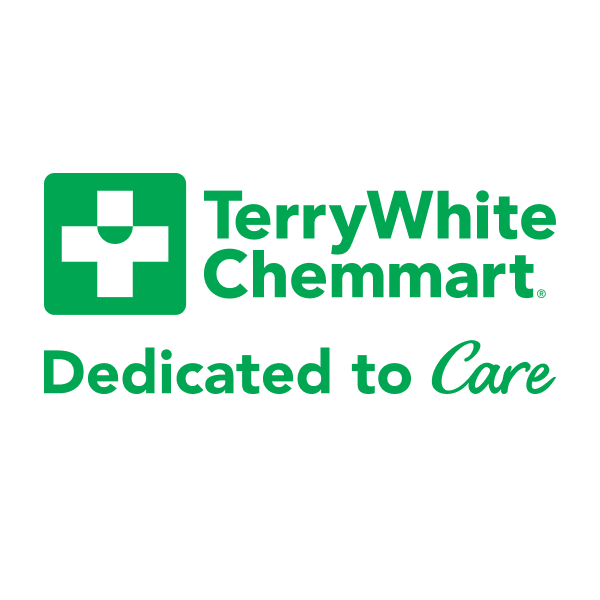
The itchy, red, dry, scaly skin caused by eczema* is well known to many parents of young children. If this sounds like your family, you’re in good company: In Australia, eczema affects around 30% of children and 10% of adults.5,6
Why does my child have eczema?
Don’t worry. While eczema does tend to run in families, it’s not something you’ve done and it isn’t contagious. There also isn’t a single cause:1
- People living with hay fever, certain food allergies or asthma may also have eczema.
- Common triggers include stress, heat, sweat, prickly fabrics, some cleaning and bathroom products, fragrances and animal fur.
Jess’ story
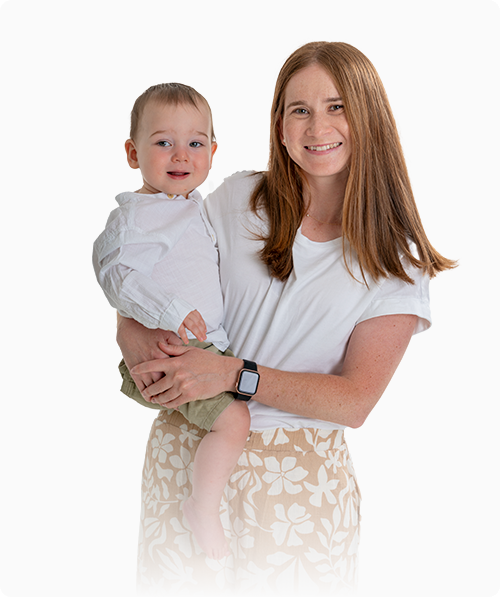
Jess experienced mild eczema as a child and is now managing her 13-month-old baby’s eczema, which first appeared when he was six weeks old. Baby generally has mild eczema on his trunk and back, with red flares in the creases of the elbows and knees. “We noticed it on his cheeks and slowly it started to spread across his body,” she says.
Jess reached out for support and was recommended to moisture her son’s skin multiple times a day. This has helped manage the severity of her baby’s eczema. “Recently, though more of his body is affected, it’s milder overall,” says Jess.






12 tips for childhood and infant eczema
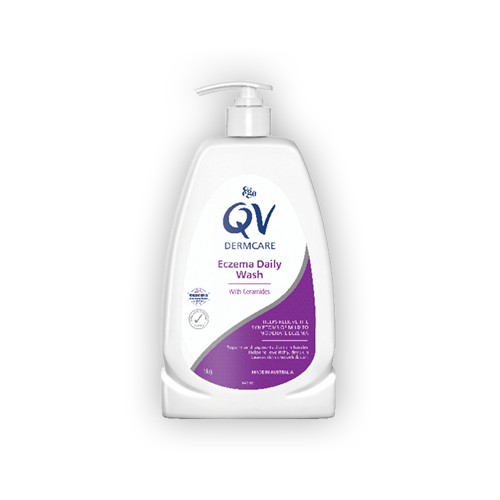
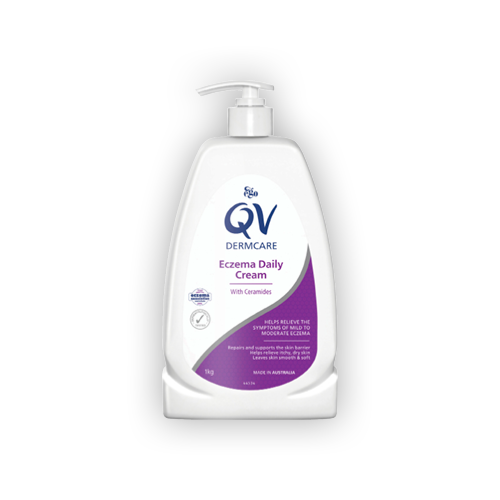
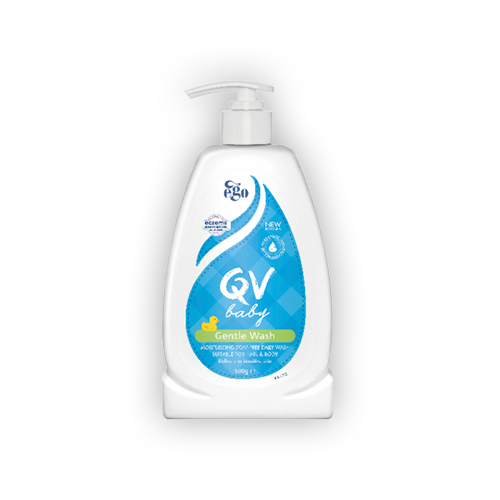
- Look for fragrance free products suitable for sensitive skin, which are easy to apply
- Get into a good routine with moisturising (“We were recommended at every nappy change,” Jess says)
- Consistency is important, as living with eczema requires the whole family’s cooperation and practice. Ensure all carers stick to the same routine (“That way, your child knows that’s just the way it is,”)
- Keep baths short, under 30 degrees and use a gentle cleanser
- Consider adding bath oil to the water
- Gently pat dry your child’s skin (don’t rub) before applying moisturiser
- Remember, it’s okay – even a good idea! – for skin to be slightly damp before hydrating
- Don’t overdress baby, especially in winter (too-warm pyjamas + heating + coverings doesn’t help eczema-prone skin)
- Use mainly cotton clothing and bedlinen (to let the skin breathe and minimise overheating)
- Keep aware of the potential for allergens to cause flare ups (“Finding he had a dairy allergy and eczema at once was pretty shattering as a new mum,” remembers Jess. “You’re learning to become a parent, you put a lot of blame on yourself,”)
- Seek out professional help, because your understanding of your child’s severity may or may not be correct
- Realise eczema can come and go (“Try not to get too upset. There are better months and worse months,”)
12 tips for childhood and infant eczema
- Look for fragrance free products suitable for sensitive skin, which are easy to apply
- Get into a good routine with moisturising (“We were recommended at every nappy change,” Jess says)
- Consistency is important, as living with eczema requires the whole family’s cooperation and practice. Ensure all carers stick to the same routine (“That way, your child knows that’s just the way it is,”)
- Keep baths short, under 30 degrees and use a gentle cleanser
- Consider adding bath oil to the water
- Gently pat dry your child’s skin (don’t rub) before applying moisturiser
- Remember, it’s okay – even a good idea! – for skin to be slightly damp before hydrating
- Don’t overdress baby, especially in winter (too-warm pyjamas + heating + coverings doesn’t help eczema-prone skin)
- Use mainly cotton clothing and bedlinen (to let the skin breathe and minimise overheating)
- Keep aware of the potential for allergens to cause flare ups (“Finding he had a dairy allergy and eczema at once was pretty shattering as a new mum,” remembers Jess. “You’re learning to become a parent, you put a lot of blame on yourself,”)
- Seek out professional help, because your understanding of your child’s severity may or may not be correct
- Realise eczema can come and go (“Try not to get too upset. There are better months and worse months,”)
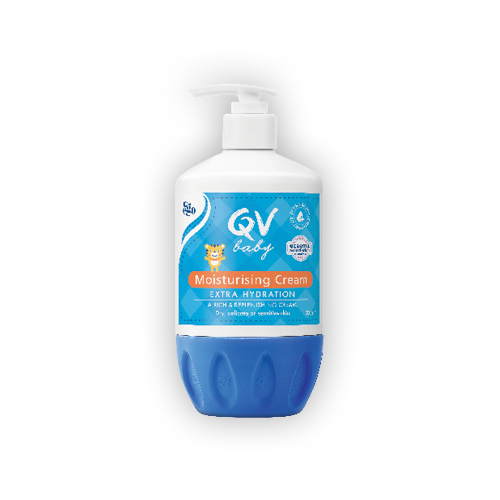
TW&CM Pty Ltd is in a paid partnership with the supplier/s of the products featured. Always read the label and follow the directions for use.



Do you need advice?
If you suspect you have eczema in the family, always seek medical advice from your practitioner for diagnosis. Your TerryWhite Chemmart Pharmacist is available to help you manage your eczema day-to-day. If you are experiencing distress or discomfort, consider asking your GP for a referral to a dermatologist to seek further assessment.