




What to consider when breastfeeding and eczema collide

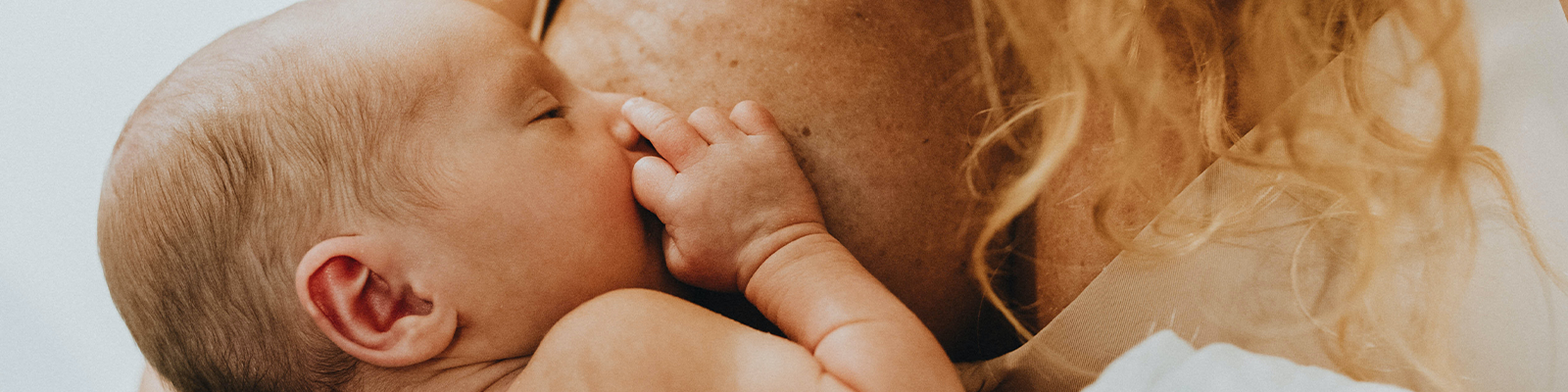
Nursing can be an emotional time without added health concerns. When breastfeeding a baby with eczema, you may be concerned about what causes flare ups and whether breastfeeding is involved. Here are some things to consider as you navigate breastfeeding and eczema.
What causes eczema to flare up in babies?
Though many people think so, eczema isn't a single skin condition but an umbrella term for a range of inflammatory conditions that make the skin dry, scaly, itchy, and red.
Babies, just like children and adults, can experience these inflammatory conditions. While the exact cause of eczema isn’t understood, factors such as a family history, allergens (such as pet dander or food) and irritants (such as soaps or smoke) can trigger flare ups.
Does breastfeeding cause eczema?
Rest assured that breastfeeding doesn't cause eczema. In fact, some studies associate exclusive breastfeeding for the first three to six months with a reduced risk of developing eczema later in childhood,^ so where possible, it's always a good idea to continue breastfeeding.
While your breastmilk itself isn’t causing bub’s eczema, it may be genetics or an irritant at home. On the other hand, what you eat passes into your breastmilk to help nourish your little one, so a food allergy could be the trigger. Consult with your GP, or with a dietitian if you are concerned about links between diet and eczema.
6 tips to treat nipple eczema
For breastfeeding to be successful long-term it must be comfortable. If breastfeeding person has eczema on their nipples, it can make nursing very difficult. Help relieve the symptoms of nipple eczema with these tips.
• To soothe between feeds, express breast milk and apply it to your nipples (breastmilk’s fat content can help retain the skin’s moisture)*
• If using lanolin, ensure yours is an ultra-purified product†
• Wear cotton bras and tops, rather than synthetics or wool
• Don't forget general tips for efficient breastfeeding: drink plenty of water, ensure your baby is latching well, and use heat packs to encourage let-down
• Talk to your Pharmacist or doctor if you develop nipple dermatitis – they may suggest an antifungal, or non-steroidal drug for severe cases
• If your doctor prescribes a topical steroid cream, apply it after nursing then thoroughly wipe your breast with breastmilk before the next feed ‡
Source:
^ https://www.healtheuropa.eu/breast-feeding-eczema/90489/
* https://www.webmd.com/skin-problems-and-treatments/eczema/features/baby-diet
† https://thewomens.r.worldssl.net/images/uploads/downloadable-records/clinical-guidelines/infant-feeding-nipple-eczema-dermatitis_280720.pdf
‡ https://dermnetnz.org/topics/nipple-eczema

Your morning and evening skincare routine
Radiant skin doesn’t need to be complicated – just consistent. A thorough morning and evening routine can make a big difference. Learn more.
Arm yourself for summer with these essentials
It’s more important than ever to take time out of the hustle and bustle, unwind, and choose pampering over productivity.