





Fact or Fiction: How much do you really know about eczema?
Eczema is the most common chronic inflammatory skin condition world-wide¹, and there are plenty of myths about it too. Let’s bust some eczema myths!
Myth 1: Eczema is contagious
Fact: Eczema isn’t contagious. Research suggests that it can be hereditary, but it can’t be passed from person to person through physical touch.²
Myth 2: Adults don’t get eczema
Fact: While eczema is common in children, it can affect people of all ages. Many individuals continue to experience eczema into adulthood, and some may develop it later in life.³
Myth 3: Stress causes eczema
Fact: Stress doesn’t cause eczema, but it can trigger flare-ups⁴ ⁵ and worsen symptoms. Stress management techniques, such as mindfulness and relaxation exercises, can help reduce the impact of stress on eczema.

Eczema is the most common chronic inflammatory skin condition world-wide¹, and there are plenty of myths about it too. Let’s bust some eczema myths!

Myth 1: Eczema is contagious
Fact: Eczema isn’t contagious. Research suggests that it can be hereditary, but it can’t be passed from person to person through physical touch.²
Myth 2: Adults don’t get eczema
Fact: While eczema is common in children, it can affect people of all ages. Many individuals continue to experience eczema into adulthood, and some may develop it later in life.³
Myth 3: Stress causes eczema
Fact: Stress doesn’t cause eczema, but it can trigger flare-ups⁴ ⁵ and worsen symptoms.
Stress management techniques, such as mindfulness and relaxation exercises, can help reduce the impact of stress on eczema.
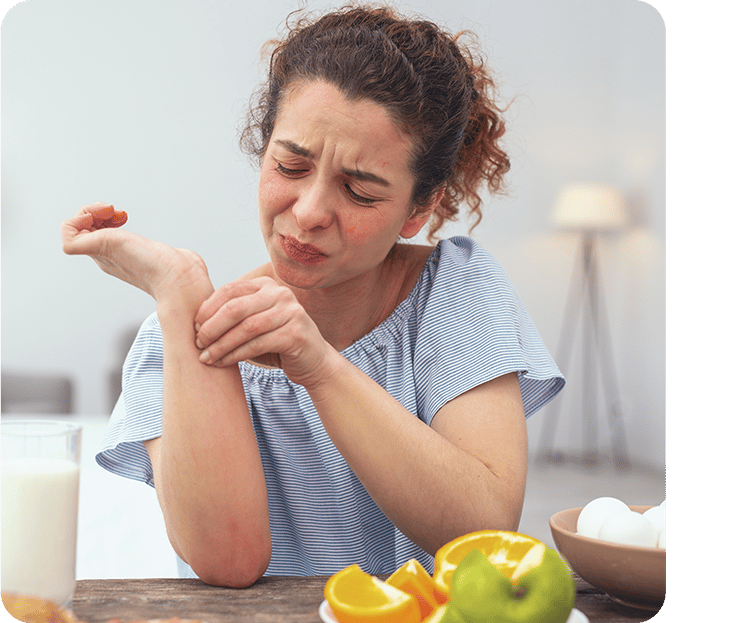
Myth 4: People with eczema should avoid water
Fact: While long, hot showers can worsen symptoms, gentle cleansing with lukewarm water and moisturising immediately afterwards can help maintain skin hydration. Swimming in seawater is also known to reduce symptoms⁴, so start thinking about booking a tropical getaway.
Myth 5: Diet has no impact on eczema
Fact: Certain foods can trigger eczema symptoms for some people.¹ Common dietary triggers include dairy, nuts, and gluten.*⁶ An elimination diet, under medical supervision, can help identify foods that may contribute to flareups. Maintaining a balanced diet can also support skin health.⁶
*Please check with your healthcare provider if you suspect you may have allergy related eczema.

Myth 4: People with eczema should avoid water
Fact: While long, hot showers can worsen symptoms, gentle cleansing with lukewarm water and moisturising immediately afterwards can help maintain skin hydration.
Swimming in seawater is also known to reduce symptoms⁴, so start thinking about booking a tropical getaway.
Myth 5: Diet has no impact on eczema
Fact: Certain foods can trigger eczema symptoms for some people.¹ Common dietary triggers include dairy, nuts, and gluten.*⁶
An elimination diet, under medical supervision, can help identify foods that may contribute to flareups. Maintaining a balanced diet can also support skin health.⁶
*Please check with your healthcare provider if you suspect you may have allergy related eczema.