





Eczema and dry skin care in winter

Winter can be a challenging time if you have eczema or dry skin. The cold air, low humidity, and indoor heating can pull the moisture out of your skin, leading to dryness, irritation, and flares. But, with the right care and precautions, you can keep your skin healthy and comfortable throughout the season.
Understanding eczema and dry skin
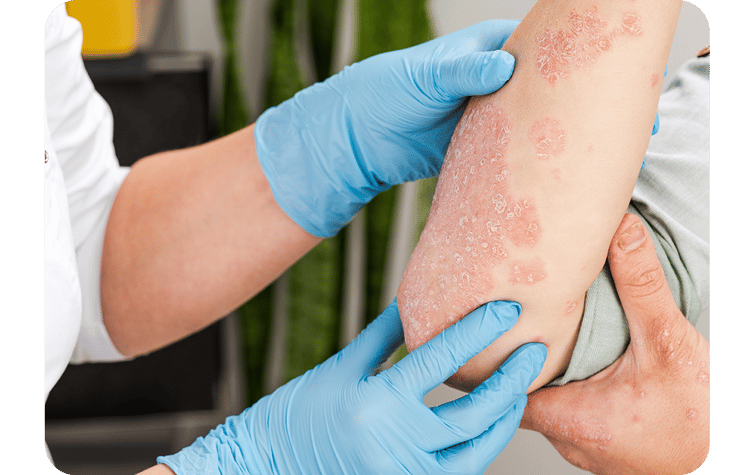
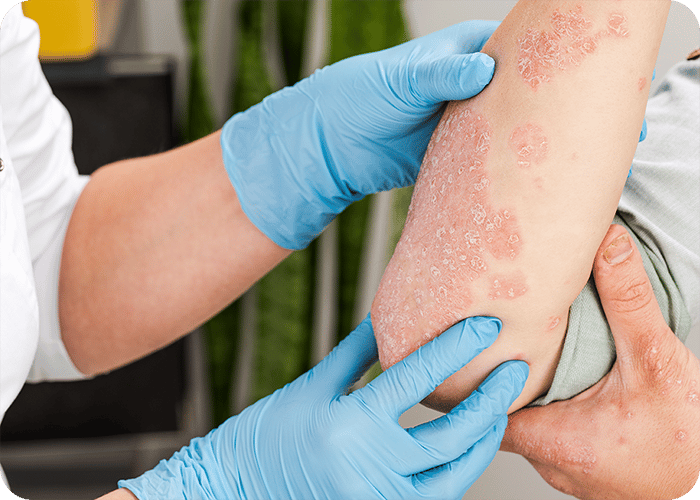
Eczema, also known as atopic dermatitis, is a chronic condition with red, itchy, and inflamed patches of skin. It’s usually caused by a genetic condition that affects your skin’s ability to protect itself.¹
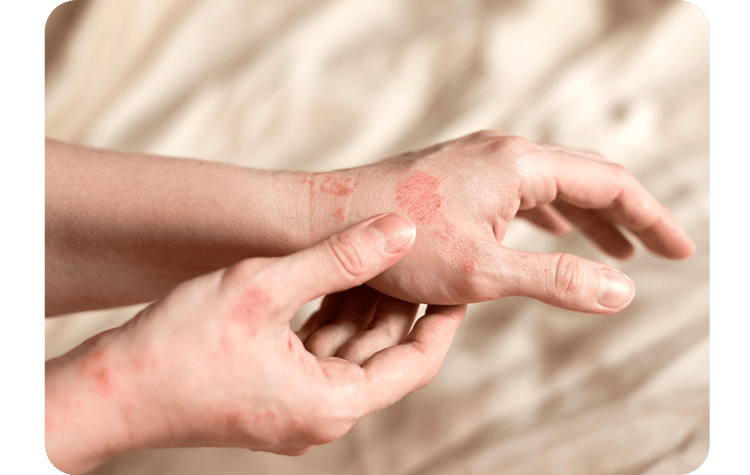
Dry skin, on the other hand, lacks sufficient moisture and can become rough, flaky, and prone to cracking. Both conditions require diligent care, especially during winter.
Winter can be a challenging time if you have eczema or dry skin. The cold air, low humidity, and indoor heating can pull the moisture out of your skin, leading to dryness, irritation, and flares. But, with the right care and precautions, you can keep your skin healthy and comfortable throughout the season.
Understanding eczema and dry skin
Eczema, also known as atopic dermatitis, is a chronic condition with red, itchy, and inflamed patches of skin. It’s usually caused by a genetic condition that affects your skin’s ability to protect itself.¹
Dry skin, on the other hand, lacks sufficient moisture and can become rough, flaky, and prone to cracking. Both conditions require diligent care, especially during winter.

Moisturise regularly
Regular moisturising is one of the most important steps in managing eczema and dry skin in winter. Choose a thick, fragrance-free moisturiser to repair your skin barrier and protect against the elements. Apply it immediately after bathing to lock in moisture.

Gentle cleansing
Harsh soaps and hot water can aggravate dryness and irritation.¹ Opt for mild, fragrance-free cleansers and take lukewarm showers instead of hot ones. Try to limit your shower time to prevent further drying out your skin. Pat your skin dry with a soft towel, leaving it slightly damp before applying moisturiser.

Humidify your home
Indoor heating can reduce humidity levels, making the air dry and harsh on your skin. Using a humidifier can help maintain moisture in the air, preventing your skin from drying out. Aim to keep indoor humidity levels between 30-50% for optimal skin health.²

Avoid eczema triggers
Identify and avoid common eczema triggers such as stress, allergens, and harsh chemicals.³ Keeping a diary of your symptoms and triggers can help you manage flares more effectively.

Wear protective clothing
Help protect your skin from the cold by wearing appropriate clothing. Choose soft, breathable fabrics like cotton and avoid wool or synthetic materials that can irritate the skin. Layering can help you stay warm without overheating, which can also trigger eczema flares.
Moisturise regularly
Regular moisturising is one of the most important steps in managing eczema and dry skin in winter.
Choose a thick, fragrance-free moisturiser to repair your skin barrier and protect against the elements. Apply it immediately after bathing to lock in moisture.
Gentle cleansing
Harsh soaps and hot water can aggravate dryness and irritation.¹ Opt for mild, fragrance-free cleansers and take lukewarm showers instead of hot ones.
Try to limit your shower time to prevent further drying out your skin. Pat your skin dry with a soft towel, leaving it slightly damp before applying moisturiser.
Humidify your home
Indoor heating can reduce humidity levels, making the air dry and harsh on your skin.
Using a humidifier can help maintain moisture in the air, preventing your skin from drying out. Aim to keep indoor humidity levels between 30-50% for optimal skin health.²
Avoid eczema triggers
Identify and avoid common eczema triggers such as stress, allergens, and harsh chemicals.³
Keeping a diary of your symptoms and triggers can help you manage flares more effectively.
Wear protective clothing
Help protect your skin from the cold by wearing appropriate clothing.
Choose soft, breathable fabrics like cotton and avoid wool or synthetic materials that can irritate the skin.
Layering can help you stay warm without overheating, which can also trigger eczema flares.