





Combatting dry winter skin


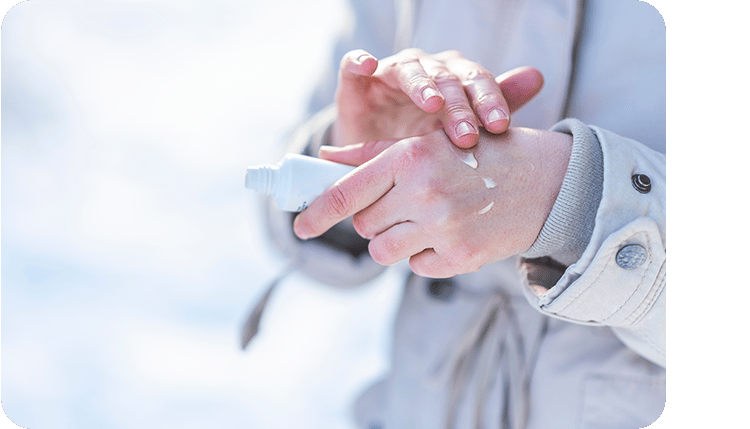
Winter shows itself in many ways – frost on the lawn, colourful sunsets, the misty morning commute, and, unfortunately for some, skin blemishes. Dry, itchy, cracked and sometimes red skin is synonymous with the cooler months as low temperatures and lack of humidity take a toll on our skin.
Cold air can be drying to our skin barrier, which is important to protect against irritants and allergens.¹ This can lead to conditions such as eczema, with dry, itchy skin and reddish patches which can become cracked or scaly.
Skin naturally dries over time, so dry skin conditions may become more prevalent as you age, particularly for women in the first few years after menopause as lower estrogen levels result in less skin moisture.²
Winter shows itself in many ways – frost on the lawn, colourful sunsets, the misty morning commute, and, unfortunately for some, skin blemishes.
Dry, itchy, cracked and sometimes red skin is synonymous with the cooler months as low temperatures and lack of humidity take a toll on our skin.

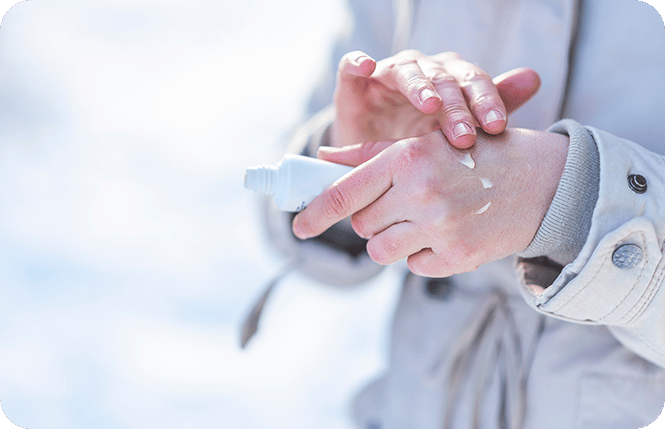
Cold air can be drying to our skin barrier, which is important to protect against irritants and allergens.¹ This can lead to conditions such as eczema, with dry, itchy skin and reddish patches which can become cracked or scaly.
Skin naturally dries over time, so dry skin conditions may become more prevalent as you age, particularly for women in the first few years after menopause as lower estrogen levels result in less skin moisture.²
What to do about it
Here are some of the best ways to avoid winter skin issues:
Moisturise regularly
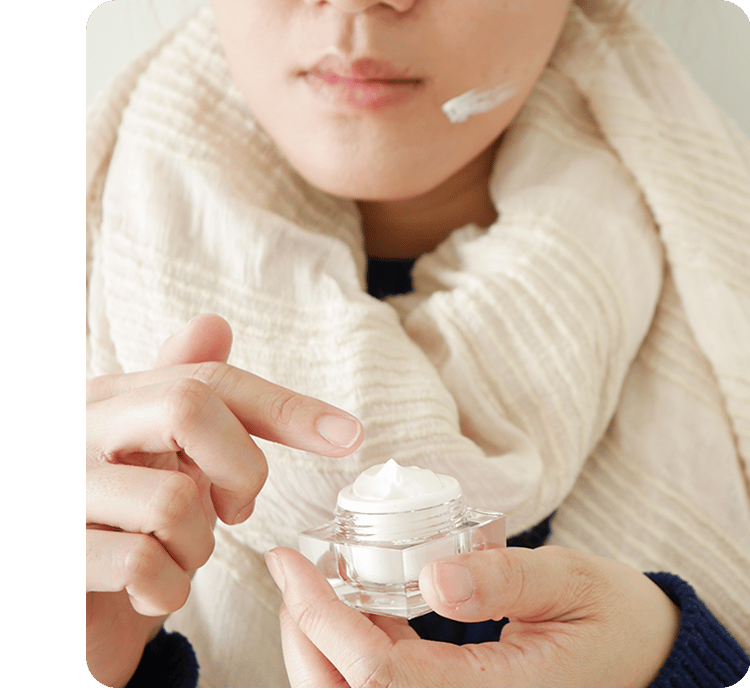
Apply moisturiser immediately after washing to lock in moisture. Thicker moisturisers are a good option during winter.
Protect Your Skin
Gloves, scarves and hats can help shield your skin from cold, dry air, but ensure you use layers which can be easily removed indoors to avoid overheating your skin and drying it out further.
Avoid hot showers
While it can be tempting to dial up the heat during winter, opt for warm showers instead of hot ones to help prevent stripping natural oils from your skin.³
Stay Hydrated
Drink plenty of water to keep your skin hydrated from the inside out.
Avoid Irritants
Steer clear of harsh soaps, detergents, and heavily fragranced products.
Gentle Cleansers
Use mild, fragrance-free soaps and cleansers to avoid irritating the skin.
Use a humidifier
Adding moisture to the air can help prevent skin from drying out.
Diet and Supplements
Foods rich in antioxidants and omega-3 fatty acids are great for supporting skin health.³


What to do about it
Here are some of the best ways to avoid winter skin issues:
Moisturise regularly
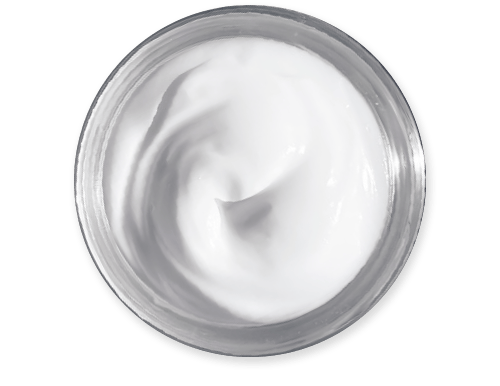
Apply moisturiser immediately after washing to lock in moisture. Thicker moisturisers are a good option during winter.

Protect Your Skin
Gloves, scarves and hats can help shield your skin from cold, dry air, but ensure you use layers which can be easily removed indoors to avoid overheating your skin and drying it out further.


Avoid hot showers
While it can be tempting to dial up the heat during winter, opt for warm showers instead of hot ones to help prevent stripping natural oils from your skin.³
Stay Hydrated
Drink plenty of water to keep your skin hydrated from the inside out.


Avoid Irritants
Steer clear of harsh soaps, detergents, and heavily fragranced products.

Gentle Cleansers
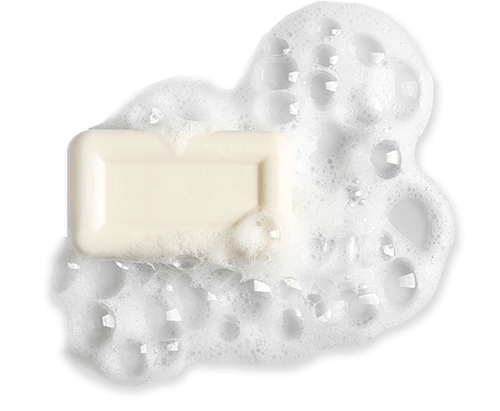
Use mild, fragrance-free soaps and cleansers to avoid irritating the skin.
Use a humidifier
Adding moisture to the air can help prevent skin from drying out.
Diet and Supplements
Foods rich in antioxidants and omega-3 fatty acids are great for supporting skin health.³




Chloe’s advice for dry winter skin
30-year-old Chloe has managed dry skin and eczema since childhood.
“I have a naturally dry skin type, so in winter I need to be very vigilant,” she says.
“If it gets too dry that causes the eczema to flare up – they go hand in hand. I just make sure I’m getting as much hydration into my skin as possible to prevent the itchiness.
“Some people can be worse off in summer, but I’m often swimming or out in the humid air so it’s not as bad. The cold winds of winter definitely dry my skin out more, as does staying inside with the heater on.”
Chloe says it’s important to be selective about the moisturisers you choose.
“For me, I need something designed for maximum hydration, and preferably with as many non-irritating ingredients as possible. I’m happy to spend a little more for higher quality moisturiser.
Chloe’s advice for dry winter skin
30-year-old Chloe has managed dry skin and eczema since childhood.
“I have a naturally dry skin type, so in winter I need to be very vigilant,” she says.
“If it gets too dry that causes the eczema to flare up – they go hand in hand. I just make sure I’m getting as much hydration into my skin as possible to prevent the itchiness.
“Some people can be worse off in summer, but I’m often swimming or out in the humid air so it’s not as bad. The cold winds of winter definitely dry my skin out more, as does staying inside with the heater on.”


Chloe says it’s important to be selective about the moisturisers you choose.
“For me, I need something designed for maximum hydration, and preferably with as many non-irritating ingredients as possible. I’m happy to spend a little more for higher quality moisturiser.
“Putting it on straight after the shower while my skin’s still damp helps it absorb more. If I wait too long my skin dries out further.
Also make sure if you’re exercising and sweating a lot to wash that off as soon as you finish, otherwise the sweat can dry on your skin and cause more irritation.
“It’s just about managing your particular skin type. Oily skin, for example, is more prone to acne, whereas dry skin like mine is prone to eczema.”

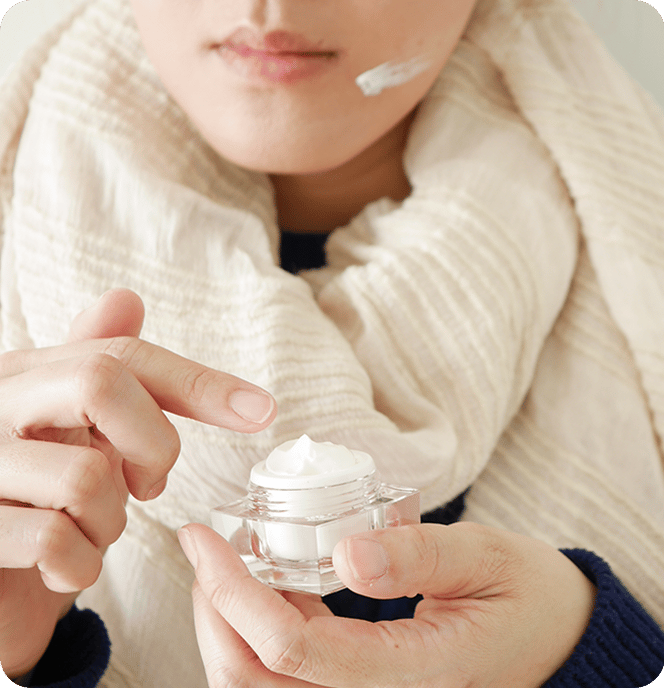
On top of moisturising, diet and exercise are crucial to support healthy skin.
“Anything that supports your circulatory system and gets blood flowing to problem area helps a lot, whether through exercise or foods like fresh ginger,” Chloe says.
“I try to eat an anti-inflammatory diet, so avoiding processed foods, sugars, excess caffeine, alcohol – basically anything which can cause inflammation in the body can show up on the skin.
I prioritise things which won’t cause inflammation like fibre, vegetables and good quality meats.
“Putting it on straight after the shower while my skin’s still damp helps it absorb more. If I wait too long my skin dries out further. Also make sure if you’re exercising and sweating a lot to wash that off as soon as you finish, otherwise the sweat can dry on your skin and cause more irritation.
“It’s just about managing your particular skin type. Oily skin, for example, is more prone to acne, whereas dry skin like mine is prone to eczema.”
On top of moisturising, diet and exercise are crucial to support healthy skin.
“Anything that supports your circulatory system and gets blood flowing to problem area helps a lot, whether through exercise or foods like fresh ginger,” Chloe says.
“I try to eat an anti-inflammatory diet, so avoiding processed foods, sugars, excess caffeine, alcohol – basically anything which can cause inflammation in the body can show up on the skin. I prioritise things which won’t cause inflammation like fibre, vegetables and good quality meats.