





Should you get a shingles vaccination?


If you’ve had chickenpox in your lifetime, especially if you are over the age of 50, you should consider a vaccination to prevent shingles.

Shingles is a viral infection characterised by a painful, blistering rash that can occur anywhere on your body and last for several weeks.
It’s caused by the varicella zoster virus, which can lay dormant in your body for many years after you have chickenpox, reactivating later to cause shingles.
Shingles itself is not contagious, but the varicella-zoster virus is, meaning someone can develop chickenpox (and later shingles) if they come into contact with the fluid from the shingles blisters.




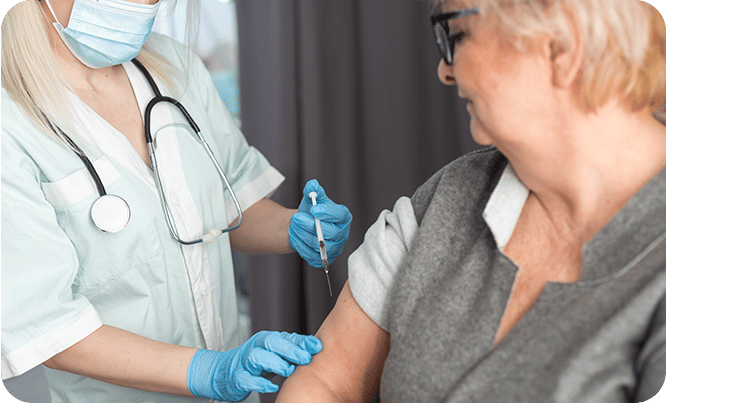
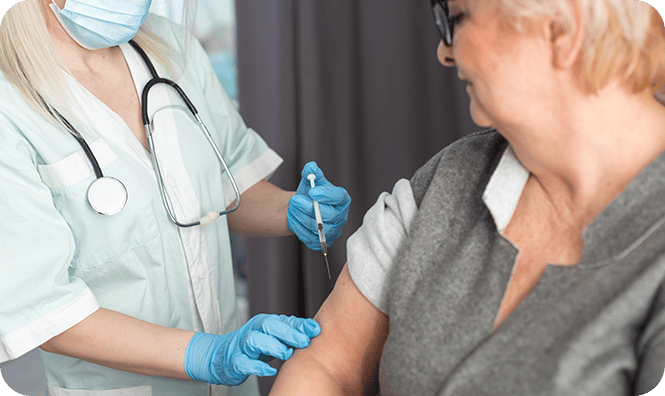
A shingles vaccination is the best way to reduce the risk of you and those around you contracting the virus. It is usually given in 2 doses and provides protection against shingles for around 10 years. Under the National Immunisation Program (NIP), it is available for free to:
✔ People aged 65 years and over
✔ Aboriginal and Torres Strait Islander people aged 50 years and over
✔ People 18 years and over considered at increased risk due to compromised immunity¹
If you do contract shingles, anti-viral medication can reduce the severity and duration of symptoms, and lower the risk of a recurrence. You can also manage your symptoms by:
✔ wearing loose-fitting, long-sleeved clothes made of natural fibres
✔ applying cool, wet compresses to the blisters
✔ reducing stress and getting plenty of rest
✔ eating nutritious meals
Topical patches and numbing agents can also be used to relieve post-shingles pain (PHN), although these shouldn’t be used on unhealed blisters.

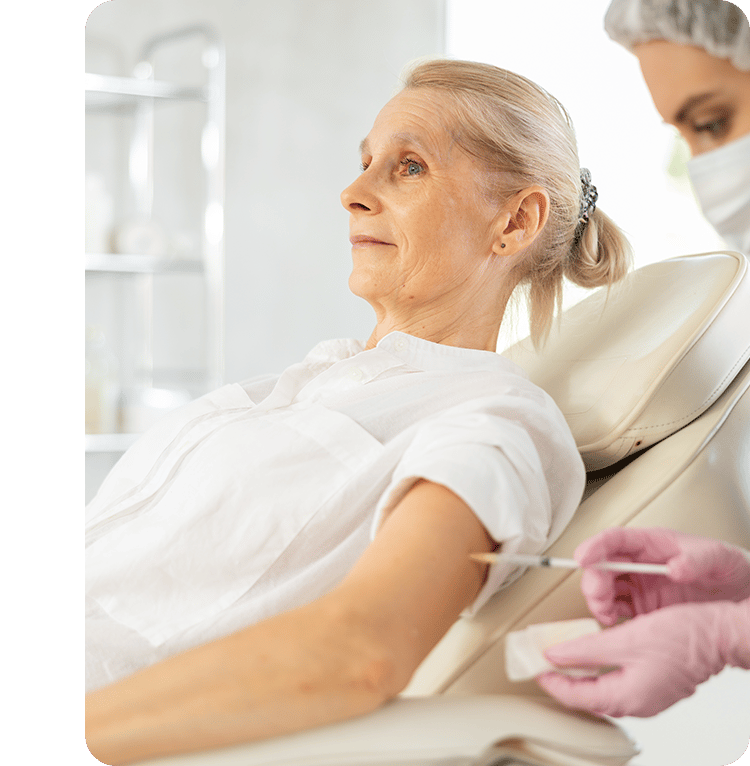

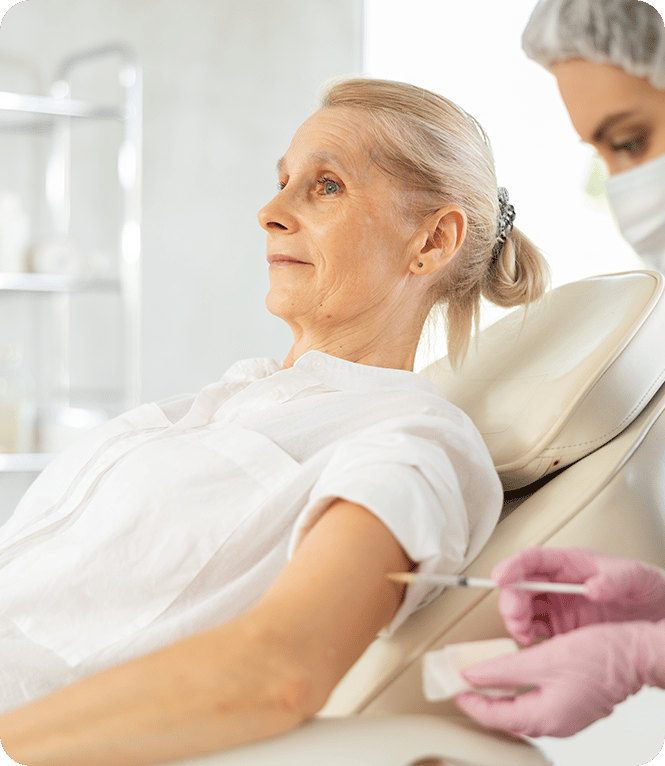
A shingles vaccination is the best way to reduce the risk of you and those around you contracting the virus.
It is usually given in 2 doses and provides protection against shingles for around 10 years. Under the National Immunisation Program (NIP), it is available for free to:
✔ People aged 65 years and over
✔ Aboriginal and Torres Strait Islander people aged 50 years and over
✔ People 18 years and over considered at increased risk due to compromised immunity¹
If you do contract shingles, anti-viral medication can reduce the severity and duration of symptoms, and lower the risk of a recurrence.
You can also manage your symptoms by:
✔ wearing loose-fitting, long-sleeved clothes made of natural fibres
✔ applying cool, wet compresses to the blisters
✔ reducing stress and getting plenty of rest
✔ eating nutritious meals
Topical patches and numbing agents can also be used to relieve post-shingles pain (PHN), although these shouldn’t be used on unhealed blisters.