





When it comes to ovarian cancer, remember early detection is key
Early detection is key
If you haven’t thought about ovarian cancer recently, you’re not the only one. However, it pays to reconsider.
This is because ovarian cancer is famously under-diagnosed at its early stages, which is when it’s easier to treat. Part of the reason is that its symptoms can be vague or seem like those of other health conditions, meaning cancer can go unnoticed until it’s reached a more advanced stage.
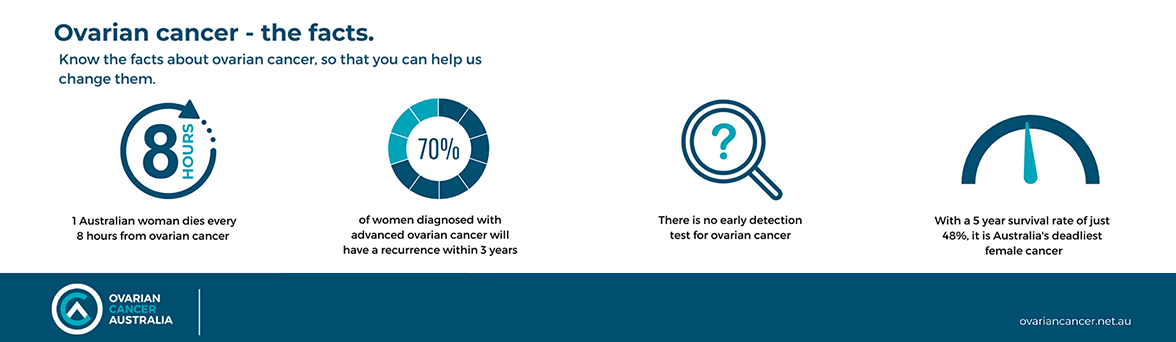
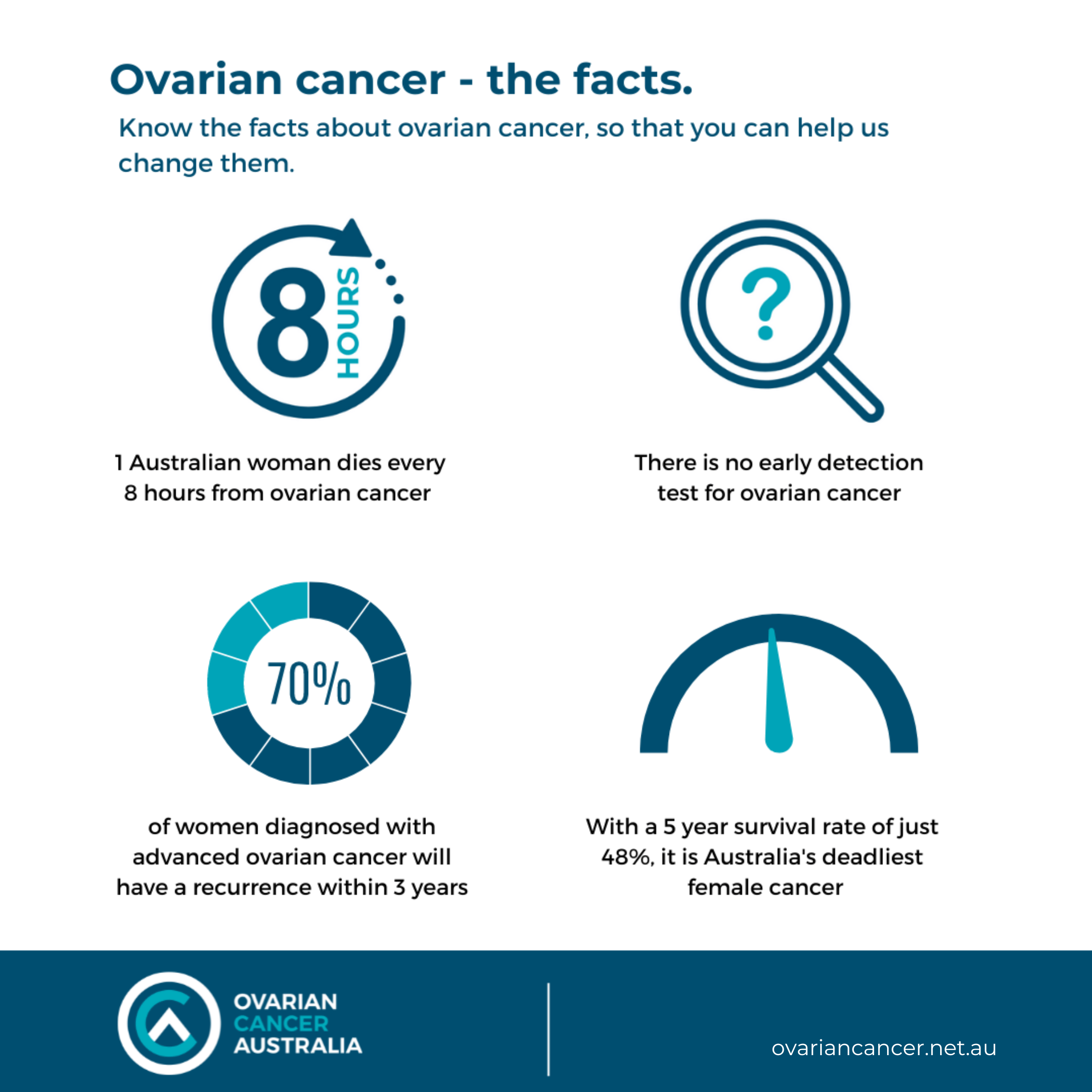
Ovarian cancer is also Australia’s deadliest female cancer, with an average 5-year survival rate of 49%.1 This means it’s very important to know yourself and understand the symptoms and risk factors.


The most commonly reported symptoms of ovarian cancer are:
• Increased abdominal size or persistent abdominal bloating
• Abdominal or pelvic (lower tummy) pain
• Feeling full after eating a small amount
• Needing to urinate often or urgently
Other symptoms can include:
• Changes in bowel habits
• Unexplained weight gain or loss
• Excessive fatigue
• Lower back pain
• Indigestion or nausea
• Bleeding after menopause or in-between periods
• Pain during sex or bleeding after
The most commonly reported symptoms of ovarian cancer are:
• Increased abdominal size or persistent abdominal bloating
• Abdominal or pelvic (lower tummy) pain
• Feeling full after eating a small amount
• Needing to urinate often or urgently
Other symptoms can include:
• Changes in bowel habits
• Unexplained weight gain or loss
• Excessive fatigue
• Lower back pain
• Indigestion or nausea
• Bleeding after menopause or in-between periods
• Pain during sex or bleeding after
These factors can increase our risk of developing ovarian cancer2, 3
Age
Young women can get ovarian cancer; however, the average age of diagnosis is 64
Hereditary factors
Faulty BRCA1 or BRCA2 genes or family history of ovarian, breast or colon cancer
Other factors
Includes being overweight, smoking, a history of endometriosis or diabetes. Use of menopausal hormonal therapy and not having had children can also be factors.
So, what should I do?
It’s important to be aware of what is normal for you and your body, especially when it comes to abdominal sensations, toileting habits and regular feelings of discomfort.
If you are experiencing symptoms which don’t feel normal for you, talk to your GP and advocate for next steps. You can also call the Ovarian Cancer Australia Helpline on 1300 660 334 to speak with an ovarian cancer nurse.

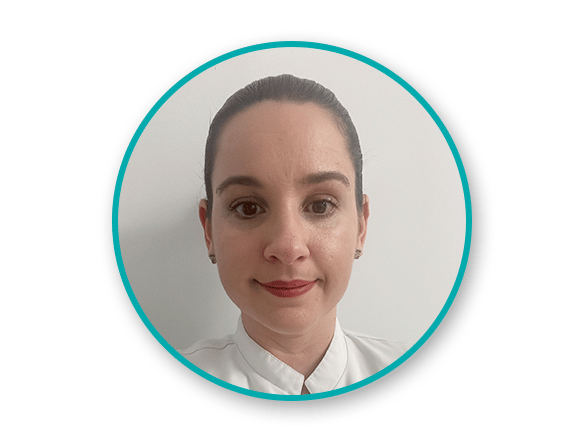
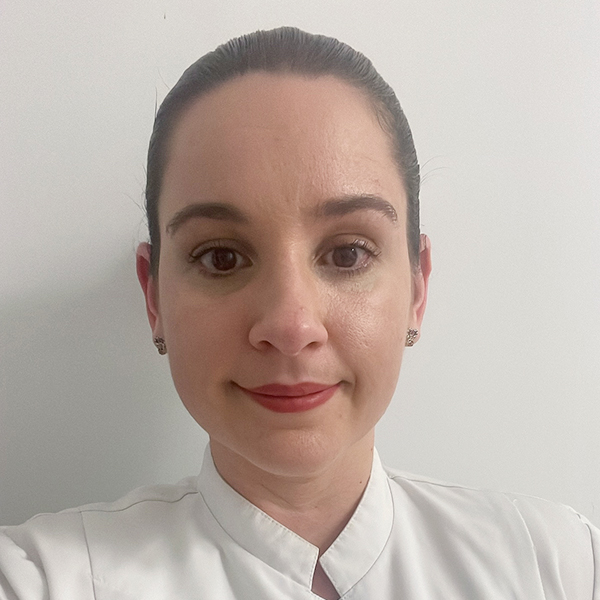
Caroline Hildred
TerryWhite Chemmart Pharmacist
Currajong – Townsville QLD
These factors can increase our risk of developing ovarian cancer2, 3
Age
Young women can get ovarian cancer; however, the average age of diagnosis is 64
Hereditary factors
Faulty BRCA1 or BRCA2 genes or family history of ovarian, breast or colon cancer
Other factors
Includes being overweight, smoking, a history of endometriosis or diabetes. Use of menopausal hormonal therapy and not having had children can also be factors.
So, what should I do?
It’s important to be aware of what is normal for you and your body, especially when it comes to abdominal sensations, toileting habits and regular feelings of discomfort.
If you are experiencing symptoms which don’t feel normal for you, talk to your GP and advocate for next steps. You can also call the Ovarian Cancer Australia Helpline on 1300 660 334 to speak with an ovarian cancer nurse.
Caroline Hildred
TerryWhite Chemmart Pharmacist
Currajong – Townsville QLD