




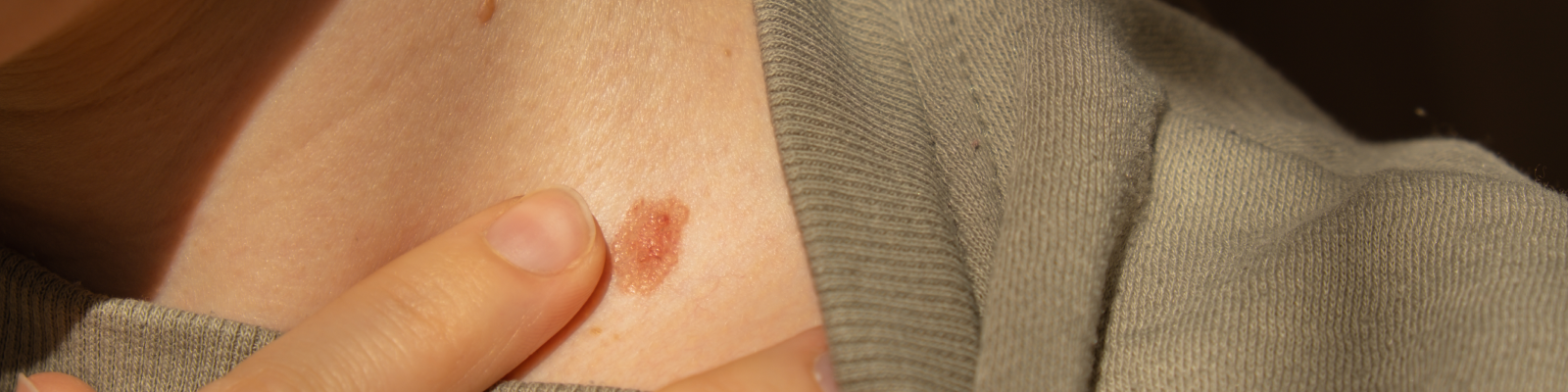
I have a spot which has changed. What should I do?

You’ve got a freckle, mole or discoloured area. Not every mark on our skin is a cause for concern; but how can you know when to act? Change is your guide.
If it changes, get it checked
A simple rule is any changes to your skin should be checked. In Australia, where instances of skin cancer are very high, a yearly skin check allows your doctor to monitor changes to your skin.
But what does “change” mean?
A change to your skin means anything from changes to shape, size and texture. It also covers anything new for you, such as a new mark or new sensation, such as soreness or bleeding.
I have spots. What do I do now?
Even if you’ve had a spot your whole life, it’s important to keep checking it.
Look at your spot and ask yourself these questions:
- Does it look or feel different from my other spots?
- Has it changed in colour, texture, size or shape?
- Is it a sore which itches, bleeds or hasn’t healed after a couple of weeks?
You should also consider the ABCDE guidelines:
- Asymmetry – Are the two halves of the spot different?
- Borders – Are its edges uneven, notched or scalloped?
- Colour – Are there different colour patches within it?
- Diameter – Is the spot greater than 6mm across, or is it smaller but growing?
- Evolving – Has the spot changed in any way?


TerryWhite Chemmart Pharmacist
Jarryd Kelly
TerryWhite Chemmart Busselton WA
How can I reduce my risk of skin cancer?
Exposure to UV radiation from the sun is the major cause of skin cancer, so practicing good sun safety is key. Damage builds up over time, meaning that it’s important to slip, slop, slap, slide and seek shade even during incidental moments of sun exposure, such as mowing the grass, picking up the kids or walking from the car to the train station.