






Don’t let a hearty feast turn into heartburn


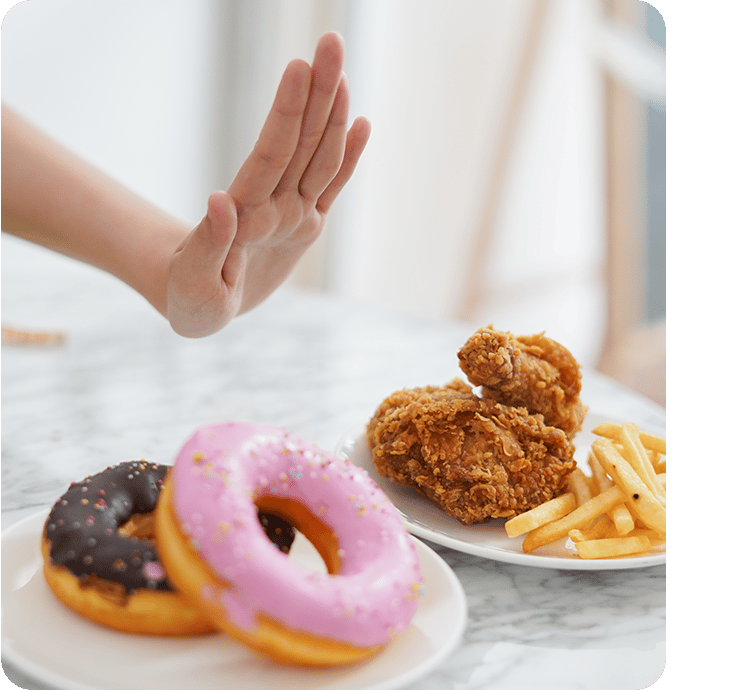
There’s nothing better than sharing an extravagant meal with friends and family over the festive period, but nothing spoils a Christmas lunch like acid reflux.
Overindulgence is a common cause of reflux, as large meals can cause your stomach to expand, increasing internal pressure and pushing stomach contents, including acid, back up towards the oesophagus.
The most common symptom of reflux is heartburn - that pain or burning sensation in your chest caused by stomach acid rising. Fortunately, by taking a few precautions you can still enjoy a festive feast without heartburn interrupting the fun.
Your festive guide to combat heartburn
- Eat slowly! This gives your brain the chance to register when you’re full.
- Use a smaller plate to avoid piling on too much, and get as much salad and veggies on there as possible.
- Avoid or limit common triggers like spicy foods, fatty meats, chocolate, peppermint and citrus.
- Stay upright after eating - don’t give in to the temptation of a post-lunch nap! A gentle walk instead can help with digestion.
- Limit alcohol, fizzy drinks and caffeine, which can all relax the muscle at the end of your oesophagus, which normally stops stomach acid from coming back up. When this muscle relaxes too much, reflux is more likely.
Over-the-counter treatments
Following this advice can be easier said than done! If you’ve overindulged, there are a few options available at your pharmacy to help ease discomfort.
Antacids/alginates: these provide quick relief by neutralising stomach acid and producing a protective barrier to prevent it rising up to the oesophagus.
H2-antagonists/H2 blockers: reduce the production of stomach acid by blocking histamine receptors in the stomach.
Proton pump inhibitors (PPIs): block the enzyme (proton pump) responsible for secreting stomach acid, offering longer-lasting acid suppression.




Tam Nguyen
Pharmacist
TerryWhite Chemmart
Bayswater, VIC
GORD: chronic heartburn
Isolated instances of heartburn are nothing to worry about, but chronic reflux (multiple times per week) is called gastro-oesophageal reflux disease (GORD).
Apart from sustained discomfort, GORD can lead to other complications, so you should speak with your Pharmacist about treatment options or referral for further investigation.
If you’re considering over-the-counter medications for heartburn, speak to your Pharmacist about the most suitable option or combination of treatments.
There’s nothing better than sharing an extravagant meal with friends and family over the festive period, but nothing spoils a Christmas lunch like acid reflux.
Overindulgence is a common cause of reflux, as large meals can cause your stomach to expand, increasing internal pressure and pushing stomach contents, including acid, back up towards the oesophagus.
The most common symptom of reflux is heartburn - that pain or burning sensation in your chest caused by stomach acid rising.
Fortunately, by taking a few precautions you can still enjoy a festive feast without heartburn interrupting the fun.


Your festive guide to combat heartburn
- Eat slowly! This gives your brain the chance to register when you’re full.
- Use a smaller plate to avoid piling on too much, and get as much salad and veggies on there as possible.
- Avoid or limit common triggers like spicy foods, fatty meats, chocolate, peppermint and citrus.
- Stay upright after eating - don’t give in to the temptation of a post-lunch nap! A gentle walk instead can help with digestion.
- Limit alcohol, fizzy drinks and caffeine, which can all relax the muscle at the end of your oesophagus, which normally stops stomach acid from coming back up. When this muscle relaxes too much, reflux is more likely.
Over-the-counter treatments
Following this advice can be easier said than done! If you’ve overindulged, there are a few options available at your pharmacy to help ease discomfort.
Antacids/alginates: these provide quick relief by neutralising stomach acid and producing a protective barrier to prevent it rising up to the oesophagus.
H2-antagonists/H2 blockers: reduce the production of stomach acid by blocking histamine receptors in the stomach.
Proton pump inhibitors (PPIs): block the enzyme (proton pump) responsible for secreting stomach acid, offering longer-lasting acid suppression.


GORD: chronic heartburn
Isolated instances of heartburn are nothing to worry about, but chronic reflux (multiple times per week) is called gastro-oesophageal reflux disease (GORD).
Apart from sustained discomfort, GORD can lead to other complications, so you should speak with your Pharmacist about treatment options or referral for further investigation.
If you’re considering over-the-counter medications for heartburn, speak to your Pharmacist about the most suitable option or combination of treatments.


Tam Nguyen
Pharmacist
TerryWhite Chemmart
Bayswater, VIC