



What is atopic dermatitis (and what can I do about it)
Let’s dig right in, as it’s easy to be confused about atopic dermatitis and eczema.
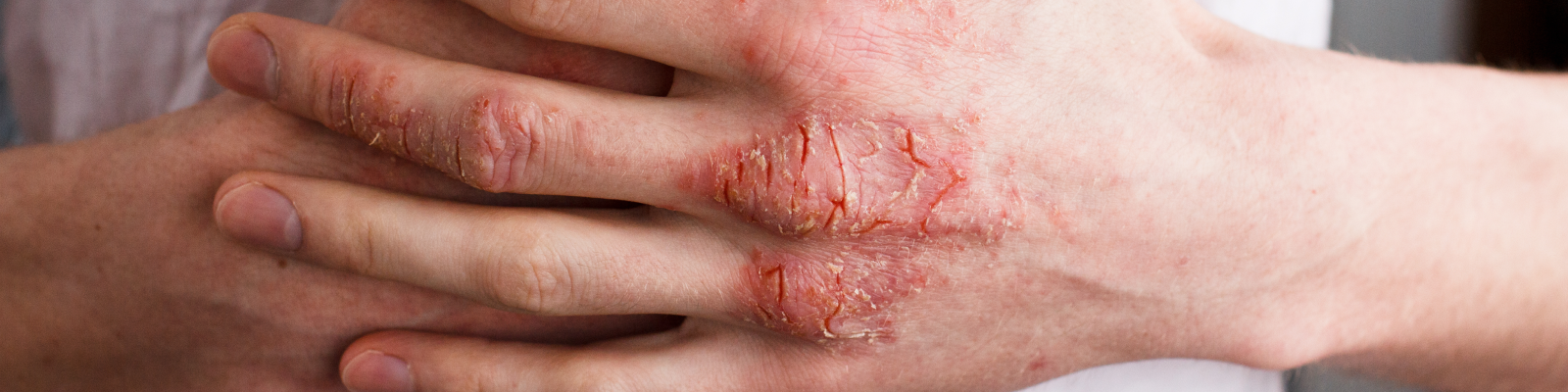
Eczema is a range of conditions and atopic dermatitis (you may have heard it called atopic eczema) is a common example. In fact, atopic dermatitis is the world’s most common inflammatory skin condition!2
It’s super common: Atopic dermatitis affects approximately 230 million people2 worldwide and up to 20% of children.3 And the symptoms? Well, they can present in a variety of ways, although dry skin, itchiness and a rash are common. Interestingly, it more often appears for the first time before six years of age.
Where can my child get atopic dermatitis?
It can depend how old they are. For example, as toddlers learn to walk, eczema is frequently noted in the creases of the elbows and knees.2 Baby dribble can increase eczema around the mouth and chin, while children rubbing at their skin and licking lips can also exacerbate it.2 Adults who haven’t experienced atopic dermatitis for some time may find that their work or home duties lead to flare ups on the hands and fingers.
How can I protect my skin?
Take care with activities and situations which dry out the skin. These include:4
- Winter weather, low humidity and extreme heat (wear adequate clothing, being careful not to overheat)
- Frequent hand washing, especially with soap and hot water (use a warm water and a gentle cleanser)
- Bathing with hard water (ask your Pharmacist about considerations to take)
- Chlorinated swimming pools (rinse off after swimming)
Here’s what to ask your Pharmacist about
- Mild, non-irritating, soap free cleansers
- Fragrance free deodorants and detergents
- Skin barrier-supporting moisturisers and ointments
- Prescription medications as necessary
Remember, awareness of triggers and using the right products can make a big difference. If you or someone in your family has atopic dermatitis or eczema, ask your Pharmacist for support managing the symptoms and keeping your skin healthy.