






Understanding pain in children


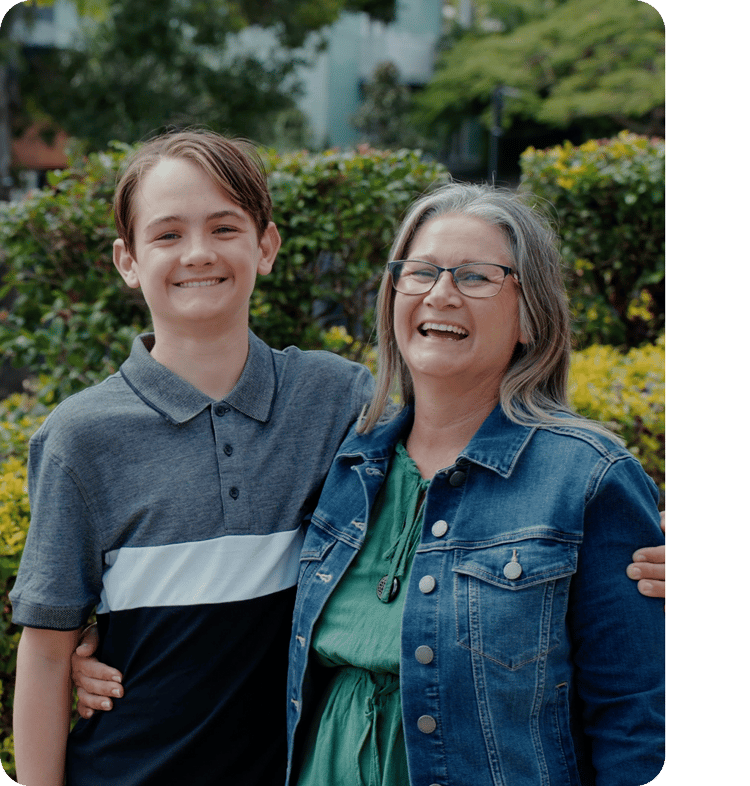


Cooper and Melinda’s story
When nine-year-old Cooper came home with a sore knee after a simple playground accident, his mum Melinda thought it was just a typical knock.
But days later, Cooper was in severe pain. He couldn’t bear to be touched, couldn’t walk, and was eventually diagnosed with Complex Regional Pain Syndrome (CRPS) - a rare and debilitating chronic pain condition that left his family searching for answers.
“Watching your child in pain and not being able to help—it breaks your heart,” Melinda says.




Cooper and Melinda’s story

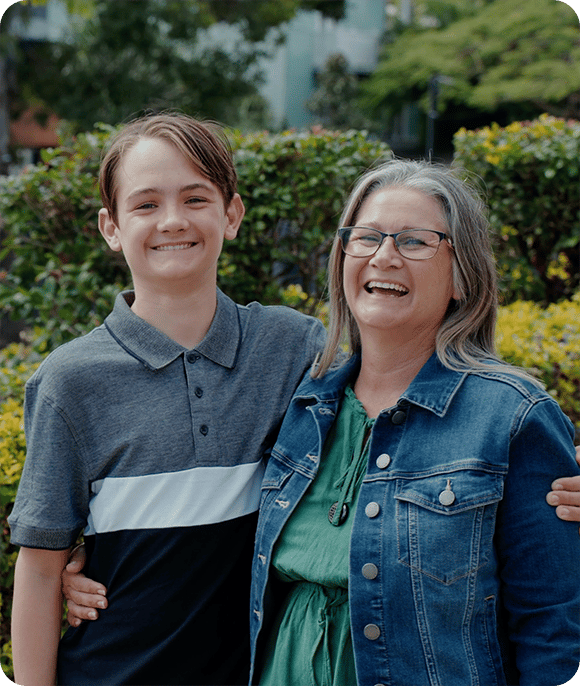
When nine-year-old Cooper came home with a sore knee after a simple playground accident, his mum Melinda thought it was just a typical knock.
But days later, Cooper was in severe pain. He couldn’t bear to be touched, couldn’t walk, and was eventually diagnosed with Complex Regional Pain Syndrome (CRPS) - a rare and debilitating chronic pain condition that left his family searching for answers.
“Watching your child in pain and not being able to help—it breaks your heart,” Melinda says.


Over time, Cooper missed months of school and everyday life became a challenge. Simple things like putting on socks or being hugged became sources of intense pain. Now 15, Cooper is an advocate. He finds relief in fishing and uses social media to raise awareness for other kids living with pain.
“Chronic pain doesn’t always have a visible cause, but that doesn’t make it any less real,” he says.
“I’ve got an OT, physio, and really good range of support workers who help me get out and do things which makes it a lot easier.
“I just want to get out and make it easier for other people so they don’t have to grow up doing what I had to do.”
Melinda says it’s important to remember you’re not alone.
“My advice for parents starting to navigate this journey is to be kind to yourself,” she says.
“It is really tough. Your kid’s pain is real. You need to be their biggest advocate. And even if the pain doesn’t go away as quickly as you’d like it to, you can certainly get through every single day and keep advocating and fighting.”

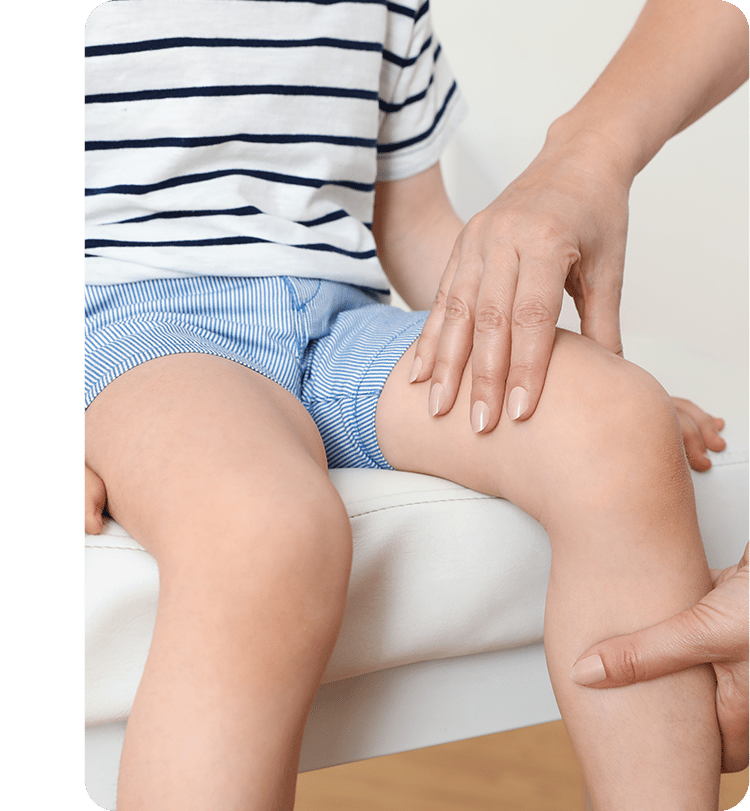
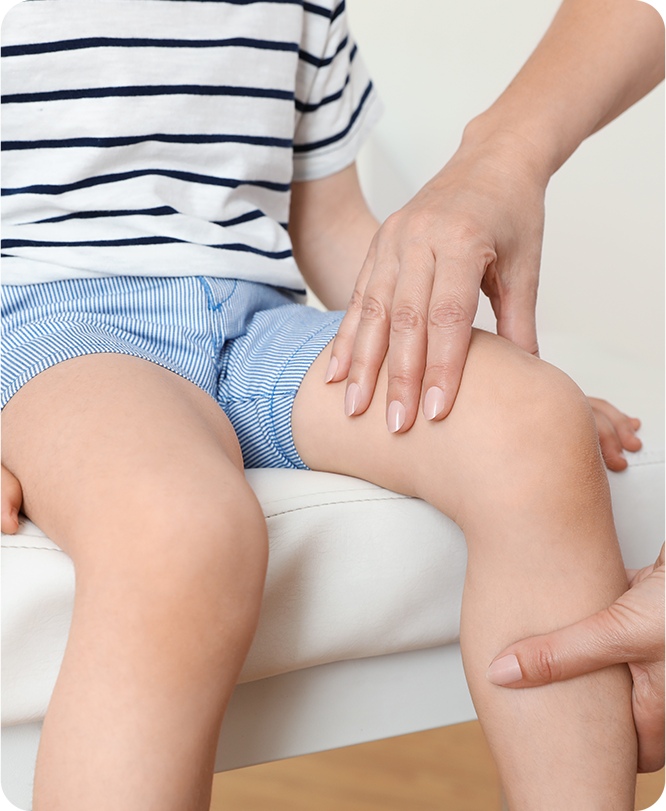
Over time, Cooper missed months of school and everyday life became a challenge. Simple things like putting on socks or being hugged became sources of intense pain.
Now 15, Cooper is an advocate. He finds relief in fishing and uses social media to raise awareness for other kids living with pain.
“Chronic pain doesn’t always have a visible cause, but that doesn’t make it any less real,” he says.
“I’ve got an OT, physio, and really good range of support workers who help me get out and do things which makes it a lot easier.

“I just want to get out and make it easier for other people so they don’t have to grow up doing what I had to do.”
Melinda says it’s important to remember you’re not alone.
“My advice for parents starting to navigate this journey is to be kind to yourself,” she says.
“It is really tough. Your kid’s pain is real. You need to be their biggest advocate.
And even if the pain doesn’t go away as quickly as you’d like it to, you can certainly get through every single day and keep advocating and fighting.”

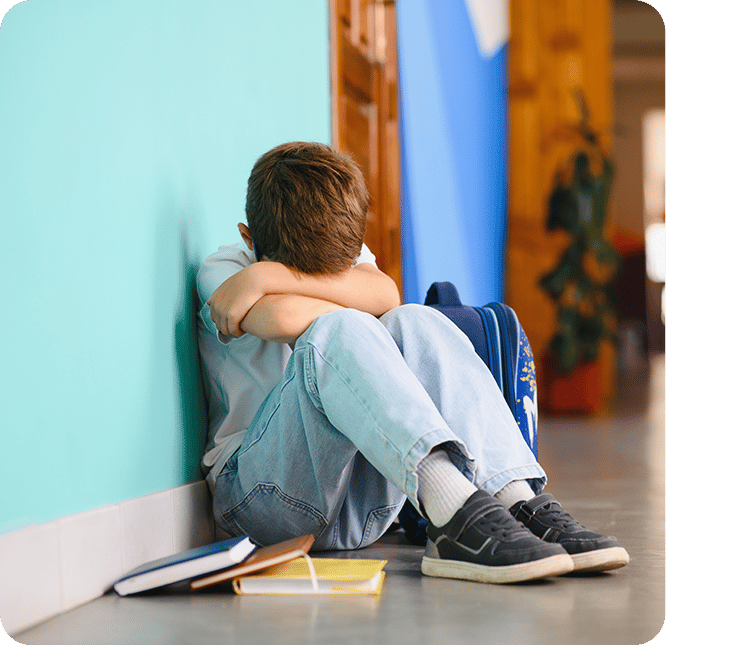
Spotting pain in kids: what to look for
Chronic pain in children is often invisible and misunderstood. If your child shows the following signs, it may be time to seek help:
- Unexplained pain that doesn’t improve over time or persists longer than 3 months
- Avoiding physical touch or activities they previously enjoyed
- Mood changes, fatigue, or trouble sleeping
- Difficulty attending school or socialising
When pain is passed off as 'just growing pains'
Many children live with ongoing pain that lasts longer than three months - a clinical definition of chronic pain. Too often, this pain is dismissed as something temporary, like 'just growing pains', especially when there’s no visible injury.
But for 1 in 5 children, the pain is persistent, complex, and life-disrupting. If pain interferes with your child’s daily life (school, friendships, sleep, or movement) it’s worth investigating further. Early support and understanding can make all the difference in helping your child feel seen, safe, and supported.
Spotting pain in kids: what to look for
Chronic pain in children is often invisible and misunderstood.
If your child shows the following signs, it may be time to seek help:
- Unexplained pain that doesn’t improve over time or persists longer than 3 months
- Avoiding physical touch or activities they previously enjoyed
- Mood changes, fatigue, or trouble sleeping
- Difficulty attending school or socialising

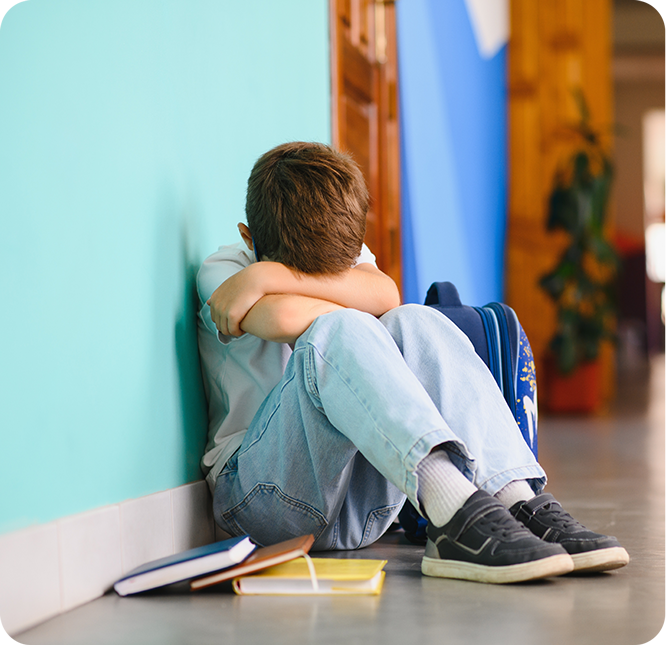
When pain is passed off as 'just growing pains'
Many children live with ongoing pain that lasts longer than three months - a clinical definition of chronic pain.
Too often, this pain is dismissed as something temporary, like 'just growing pains', especially when there’s no visible injury.
But for 1 in 5 children, the pain is persistent, complex, and life-disrupting. If pain interferes with your child’s daily life (school, friendships, sleep, or movement) it’s worth investigating further.
Early support and understanding can make all the difference in helping your child feel seen, safe, and supported.
What you can do as a parent
Listen and validate: Believe your child. Let them know their pain is real.
Seek early help: Ask your Pharmacist or GP about the right next steps.
Connect with support: Organisations like Chronic Pain Australia provide invaluable support and resources.
Kids are not ‘mini adults’ – they experience pain differently. It’s important we help them feel seen, heard, and supported.
How your Pharmacist can help
Pharmacists are often the first trusted health professional families turn to when something isn’t right. If you’re unsure where to begin, your local TerryWhite Chemmart Pharmacist can:
- Help you understand pain relief options, including over-the-counter medications
- Advise when it’s time to speak to a GP or pain specialist
- Offer practical support for managing side effects like poor sleep, anxiety or fatigue
- Recommend child-appropriate products for symptom relief (e.g. heat packs, gentle pain gels, or sleep supports)
- Label over-the-counter medications to comply with school requirements
- Connect you with local or national pain resources and services

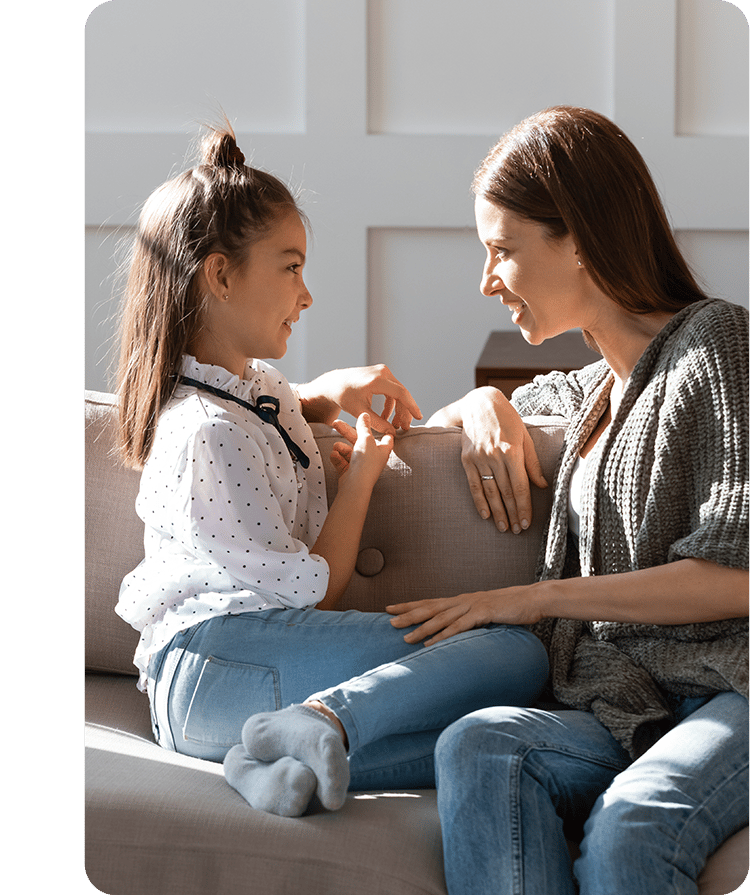
What you can do as a parent
Listen and validate: Believe your child. Let them know their pain is real.
Seek early help: Ask your Pharmacist or GP about the right next steps.
Connect with support: Organisations like Chronic Pain Australia provide invaluable support and resources.
Kids are not ‘mini adults’ – they experience pain differently. It’s important we help them feel seen, heard, and supported.

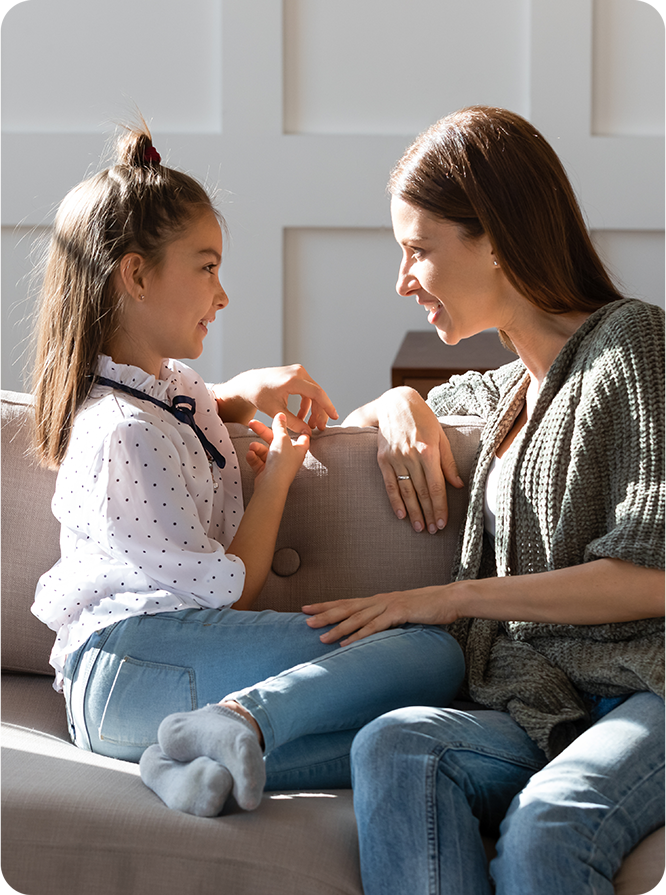
How your Pharmacist can help
Pharmacists are often the first trusted health professional families turn to when something isn’t right.
If you’re unsure where to begin, your local TerryWhite Chemmart Pharmacist can:
- Help you understand pain relief options, including over-the-counter medications
- Advise when it’s time to speak to a GP or pain specialist
- Offer practical support for managing side effects like poor sleep, anxiety or fatigue
- Recommend child-appropriate products for symptom relief (e.g. heat packs, gentle pain gels, or sleep supports)
- Label over-the-counter medications to comply with school requirements
- Connect you with local or national pain resources and services