





Understanding Childhood Chronic Pain


This story is shared as part of Kids in Pain Week (21-27 September), a national campaign by Chronic Pain Australia to raise awareness of childhood chronic pain, amplify the voices of young people and their families, and improve access to care.
Around 1 in 5 Australian children live with chronic pain lasting longer than three months, yet many families struggle to find answers, understanding and the right support.
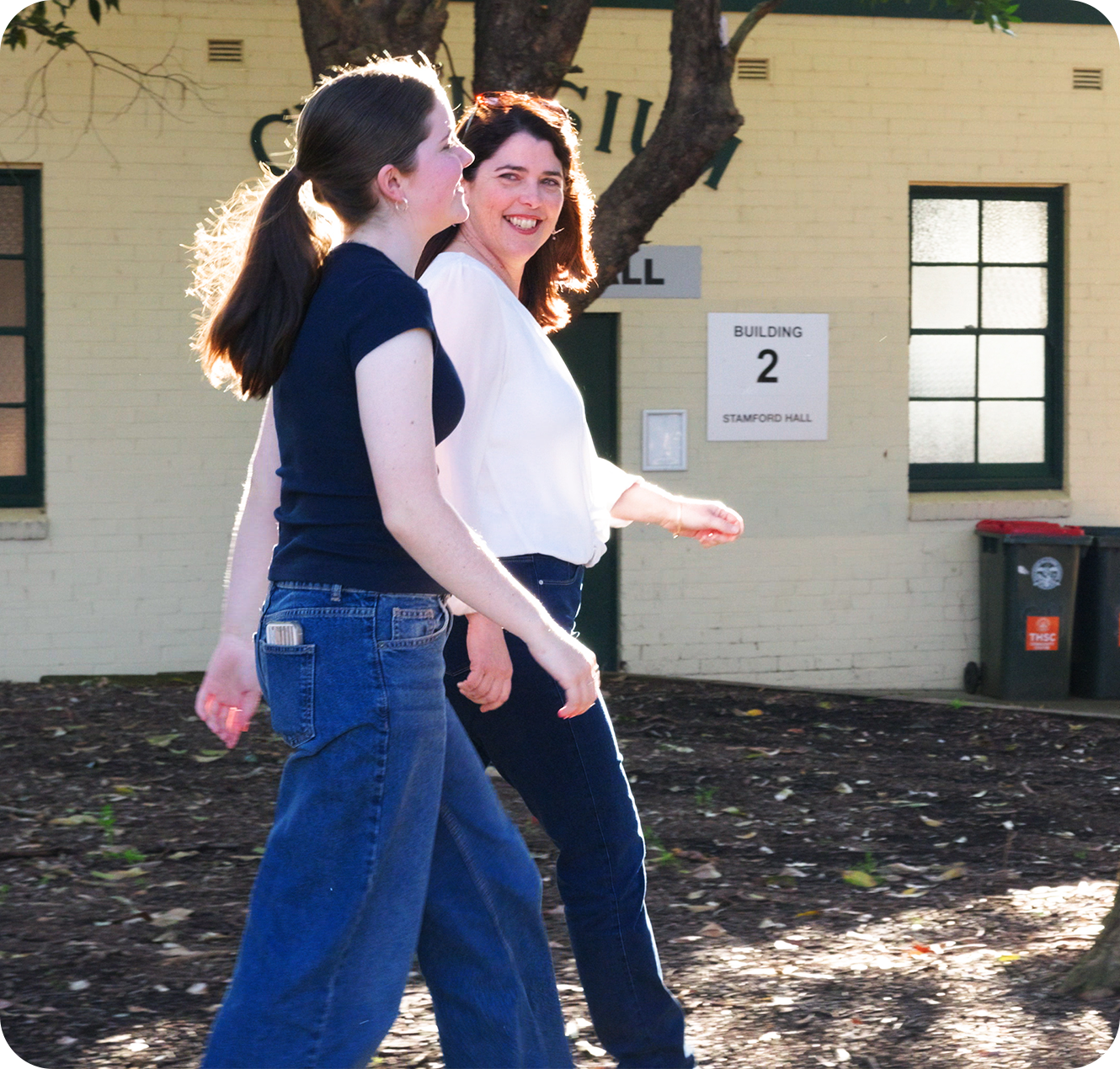
Laura & Michelle's Story
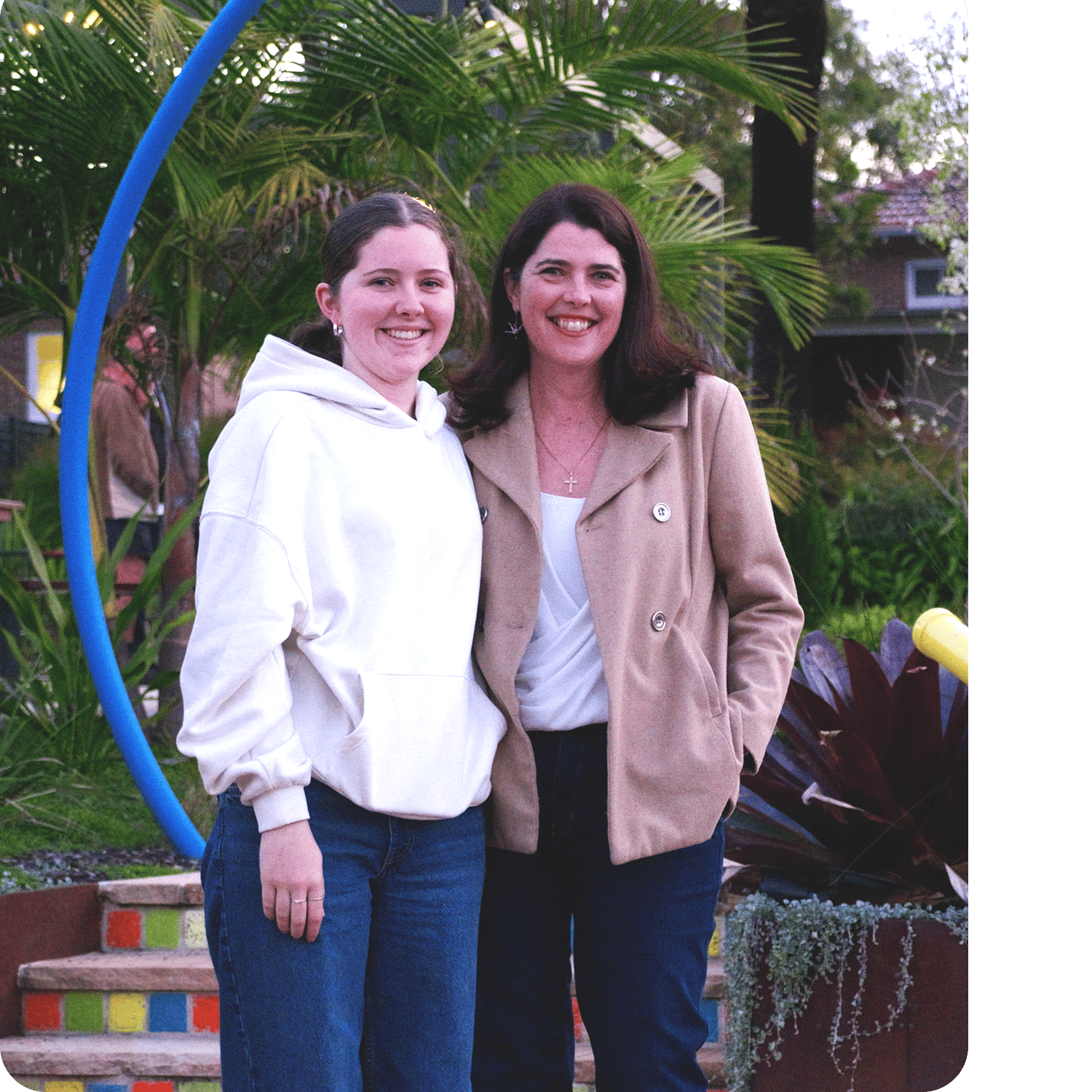
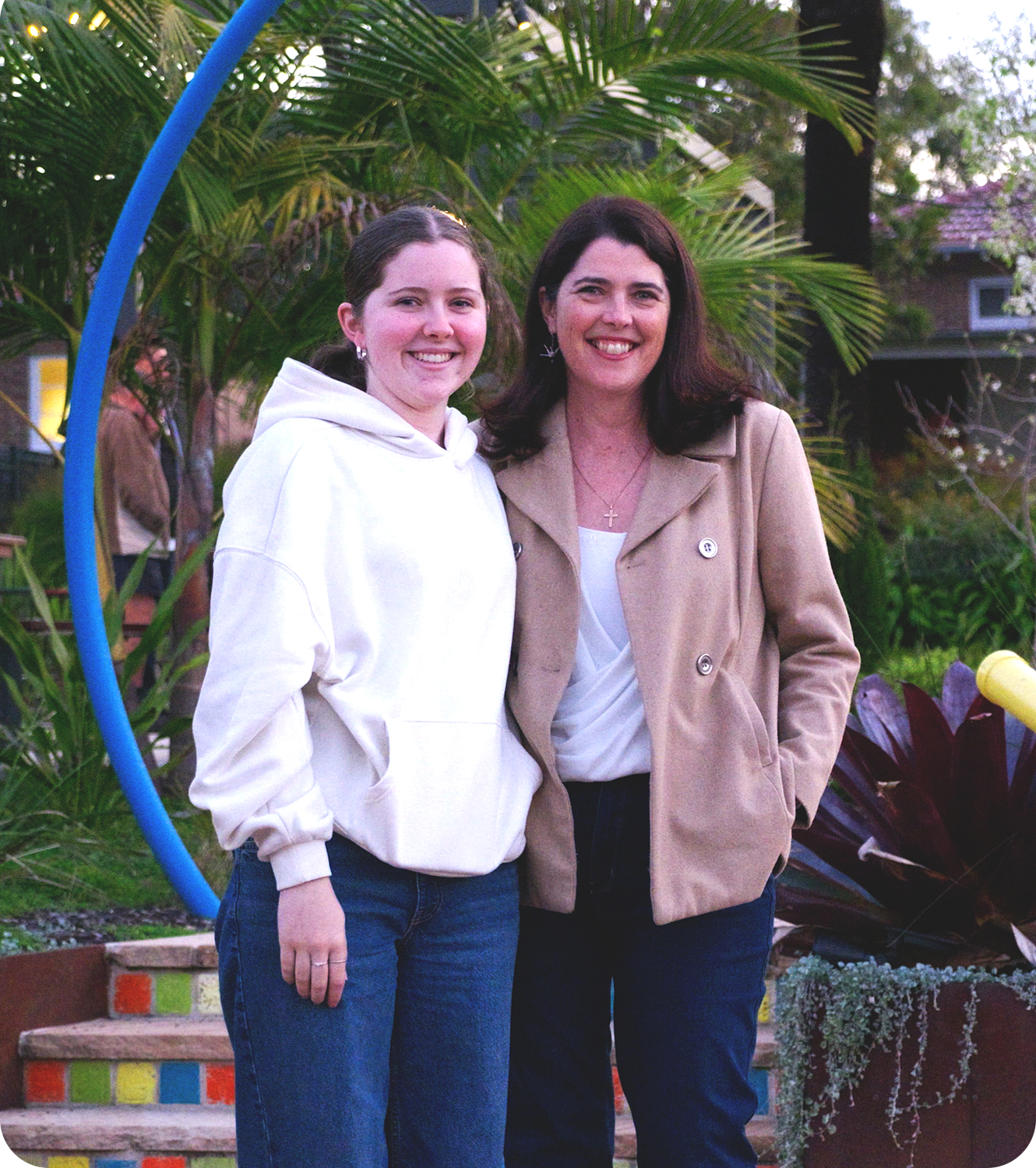
Laura was just 10 years old when she developed shingles. While the infection eventually cleared, the pain didn't. What began as an illness became the start of a long and unexpected journey with chronic pain.
Walking, attending school, spending time with friends and participating in the things Laura loved became exhausting and painful. At one stage, the pain was so severe she relied on a wheelchair.
“You never imagine something like this happening to your child,” said Michelle, Laura’s mum.

This story is shared as part of Kids in Pain Week (21-27 September), a national campaign by Chronic Pain Australia to raise awareness of childhood chronic pain, amplify the voices of young people and their families, and improve access to care.
Around 1 in 5 Australian children live with chronic pain lasting longer than three months, yet many families struggle to find answers, understanding and the right support.


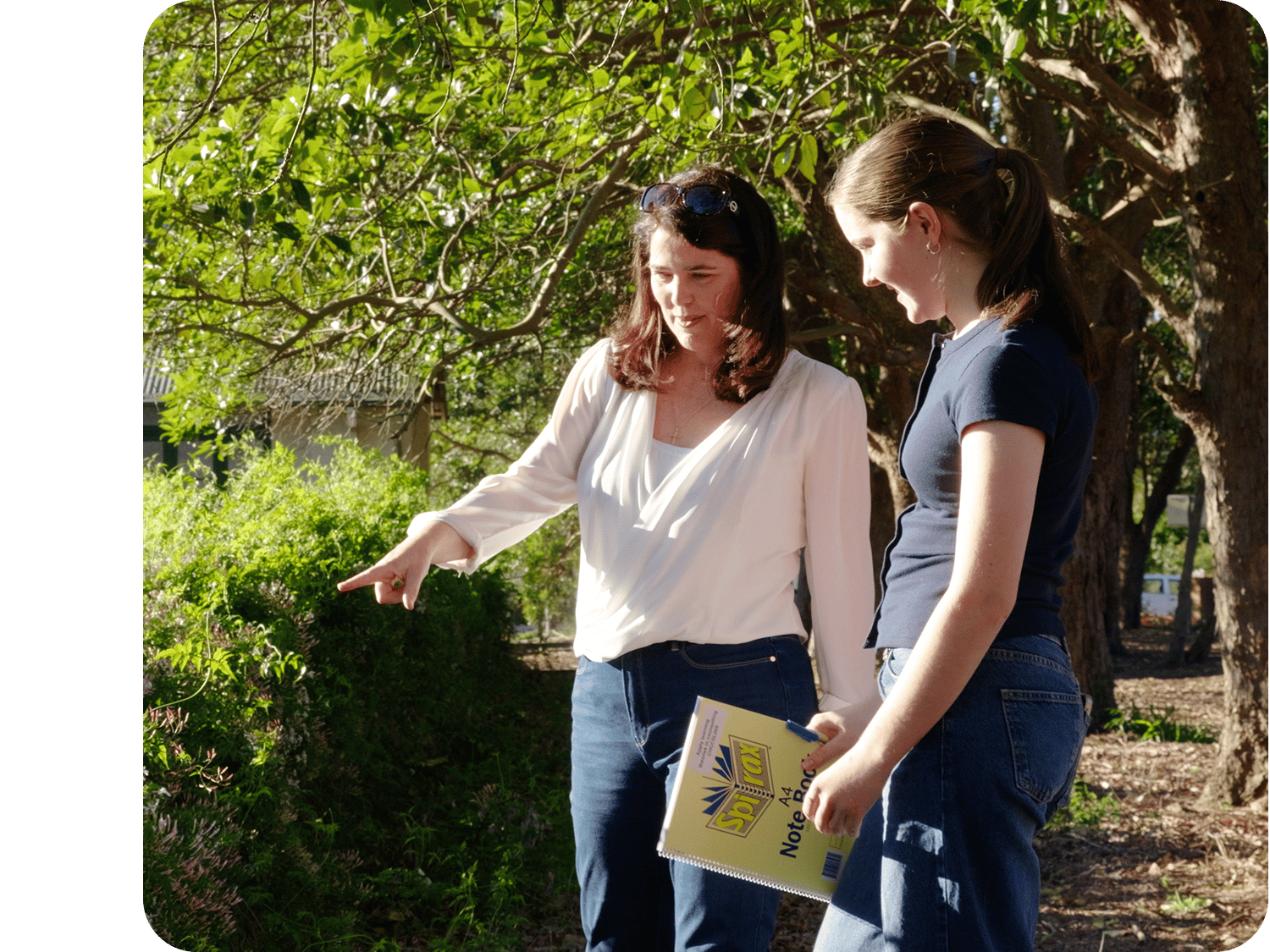
Living with chronic pain affected far more than Laura's physical health. It impacted her confidence, education, friendships and family life. Like many parents, Michelle became Laura's strongest advocate, navigating appointments, treatments and the uncertainty that often comes with persistent pain.
Today, Laura continues to manage her chronic pain with the support of her family and healthcare team. Rather than letting pain define her, she has become a passionate advocate for other young people living with chronic pain.
As a Kids in Pain Week Ambassador, Laura helps raise awareness of childhood chronic pain and encourages other young people to know they are not alone.
By sharing her experience, Laura is helping create a future where more children are believed, families feel supported, and no child has to navigate chronic pain alone.


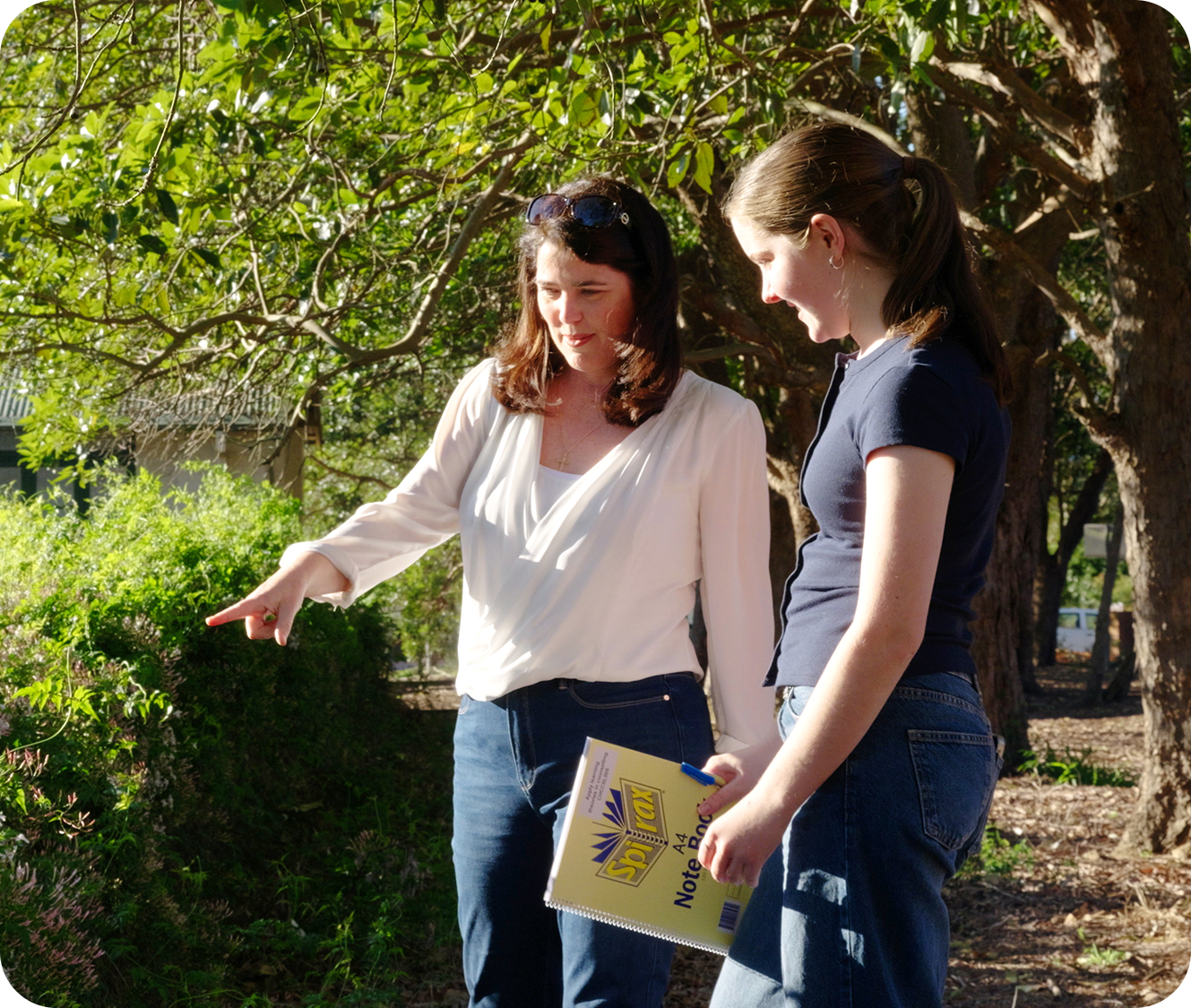
Living with chronic pain affected far more than Laura's physical health. It impacted her confidence, education, friendships and family life. Like many parents, Michelle became Laura's strongest advocate, navigating appointments, treatments and the uncertainty that often comes with persistent pain.
Today, Laura continues to manage her chronic pain with the support of her family and healthcare team. Rather than letting pain define her, she has become a passionate advocate for other young people living with chronic pain.
As a Kids in Pain Week Ambassador, Laura helps raise awareness of childhood chronic pain and encourages other young people to know they are not alone.
By sharing her experience, Laura is helping create a future where more children are believed, families feel supported, and no child has to navigate chronic pain alone.

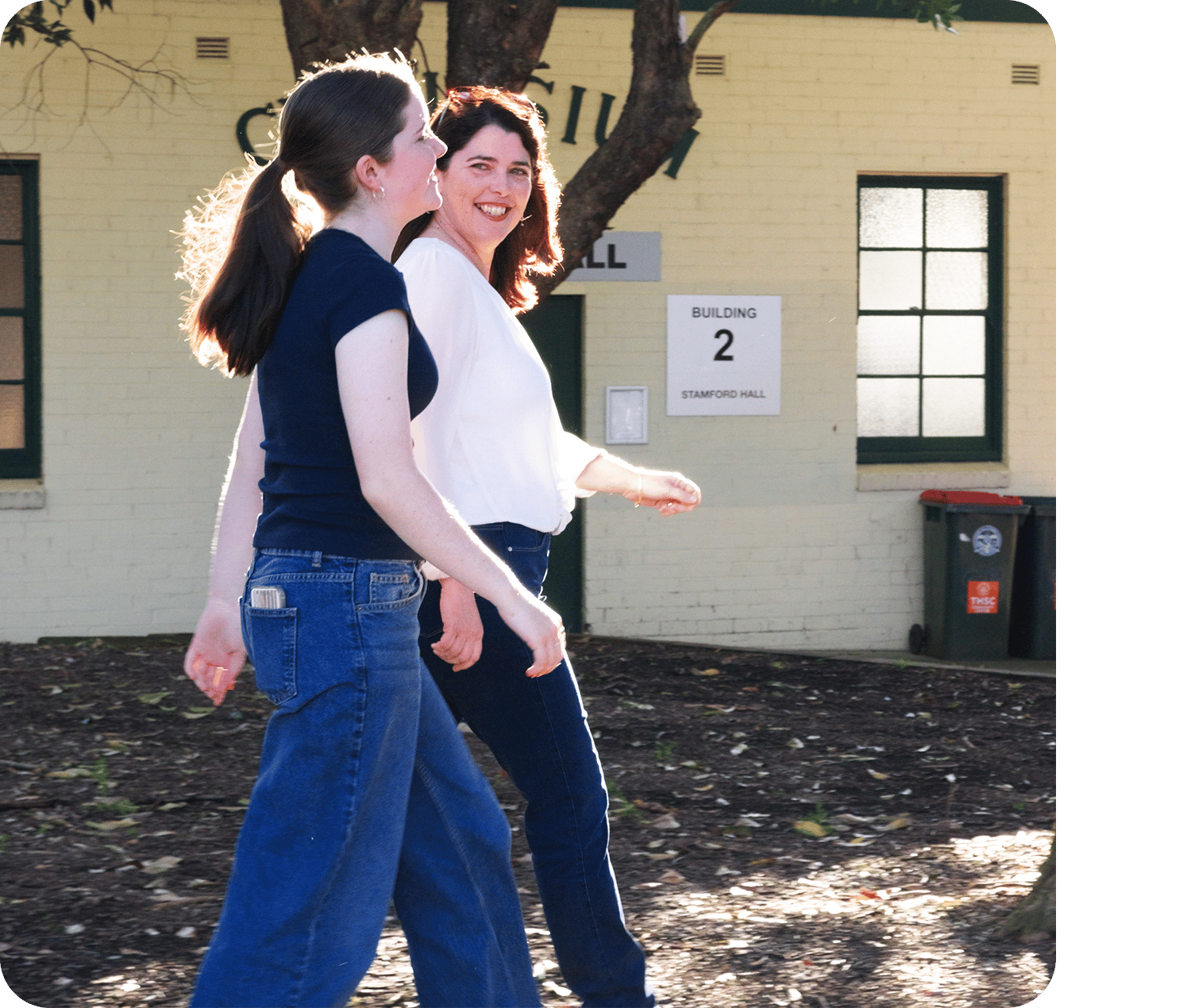
When pain is more than 'just growing pains'
- Pain lasting longer than three months
- Pain that affects school, sport or social activities
- Ongoing fatigue, poor sleep or changes in mood
- Pain without an obvious cause
- Pain that continues long after an injury or illness should have resolved
If your child is living with ongoing pain, support is available. Talk to your Pharmacist or visit kidsinpain.org.au for trusted information, practical resources and support for families living with childhood chronic pain. If pain continues, keeps returning, or begins affecting your child's daily life, it's important to seek further investigation by your GP.

When pain is more than 'just growing pains'
- Pain lasting longer than three months
- Pain that affects school, sport or social activities
- Ongoing fatigue, poor sleep or changes in mood
- Pain without an obvious cause
- Pain that continues long after an injury or illness should have resolved
If your child is living with ongoing pain, support is available. Talk to your Pharmacist or visit kidsinpain.org.au for trusted information, practical resources and support for families living with childhood chronic pain. If pain continues, keeps returning, or begins affecting your child's daily life, it's important to seek further investigation by your GP.