





RSV Is More Than a Cold: Protect Yourself This Season
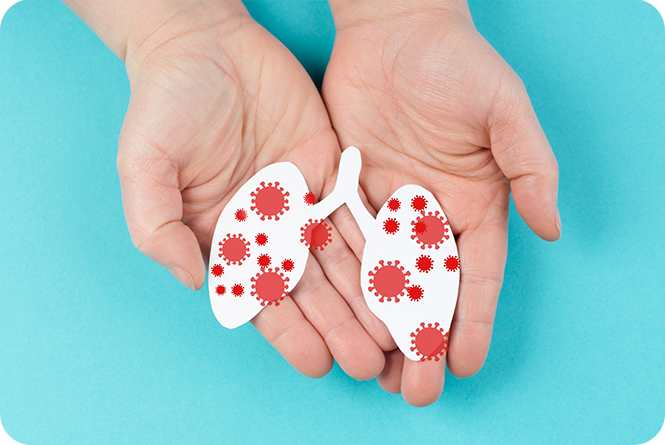
Respiratory syncytial virus (RSV) is the leading cause of respiratory hospitalisations in children under the age of five,¹ but it is not limited to a childhood illness.
RSV is a highly contagious virus that infects the lungs and airways. While many cases result in mild, cold-like symptoms and resolve within a week or two with rest at home, RSV can also cause severe illness - particularly in young babies and older adults (especially those with underlying health conditions).
The virus is spread through coughing and sneezing, as well as contaminated surfaces. Natural immunity after recovering from RSV is short-lived, and many people contract the virus multiple times throughout their life.²

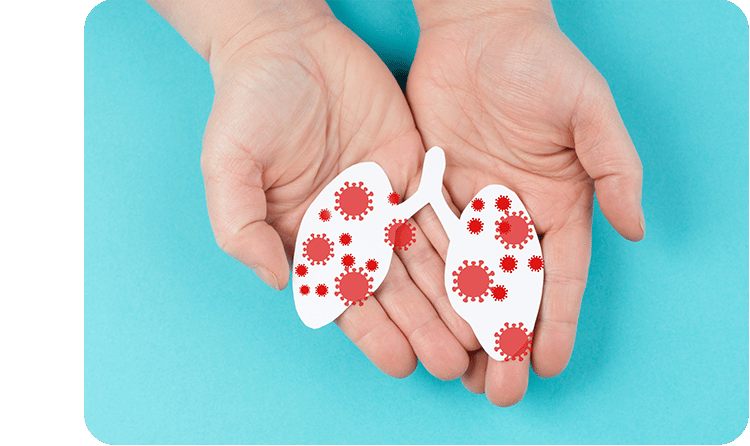
Respiratory syncytial virus (RSV) is the leading cause of respiratory hospitalisations in children under the age of five,¹ but it is not limited to a childhood illness.
RSV is a highly contagious virus that infects the lungs and airways.
While many cases result in mild, cold-like symptoms and resolve within a week or two with rest at home, RSV can also cause severe illness - particularly in young babies and older adults (especially those with underlying health conditions).

The virus is spread through coughing and sneezing, as well as contaminated surfaces.
Natural immunity after recovering from RSV is short-lived, and many people contract the virus multiple times throughout their life.²


RSV in older adults
In older adults, RSV can trigger pneumonia and other conditions which require hospitalisation. It’s responsible for hundreds of hospitalisations and deaths each year among adults over 65.³
Those living with certain medical conditions like asthma, chronic obstructive pulmonary disease (COPD), heart disease, diabetes or chronic kidney disease are at greater risk, as well as adults with weakened immune systems.⁴
While most adult cases of RSV are mild, symptoms of more severe infections include shortness of breath, high fever and wheezing – which require urgent medical care.
RSV in older adults
In older adults, RSV can trigger pneumonia and other conditions which require hospitalisation. It’s responsible for hundreds of hospitalisations and deaths each year among adults over 65.


Those living with certain medical conditions like asthma, chronic obstructive pulmonary disease (COPD), heart disease, diabetes or chronic kidney disease are at greater risk, as well as adults with weakened immune systems.⁴
While most adult cases of RSV are mild, symptoms of more severe infections include shortness of breath, high fever and wheezing – which require urgent medical care.
RSV in infants
Respiratory Syncytial Virus (RSV) affects the lungs and breathing passages, especially in infants under six months old.
In this age group, RSV can lead to severe respiratory illnesses such as bronchiolitis and pneumonia, often requiring hospital admission. Because their immune systems are still developing and their airways are smaller, young infants are particularly vulnerable to complications from RSV.
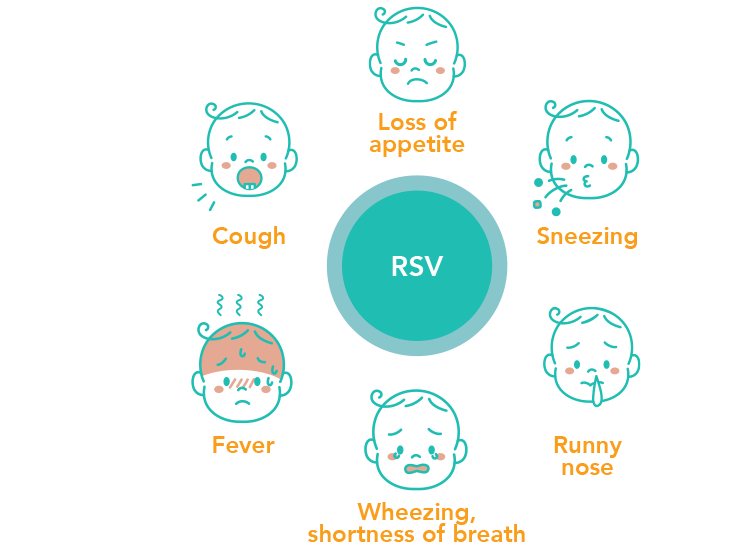
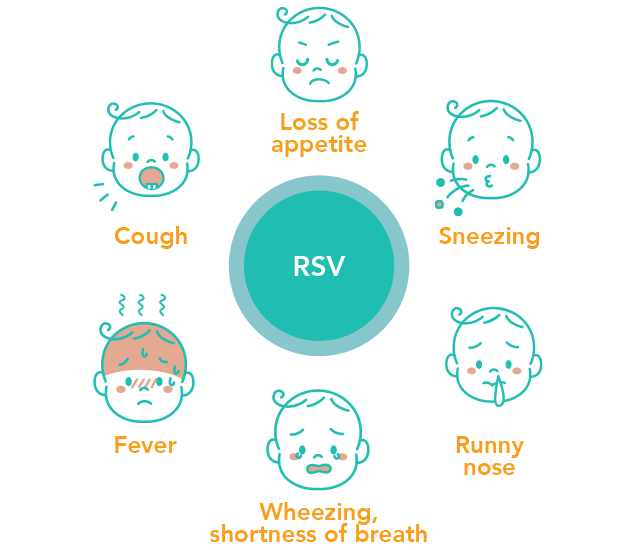
Symptoms can include persistent coughing, wheezing, difficulty breathing, and poor feeding—signs that should prompt immediate medical attention.
By staying informed and taking proactive steps, families can play a vital role in safeguarding their babies from the severe consequences of RSV.

RSV in infants
Respiratory Syncytial Virus (RSV) affects the lungs and breathing passages, especially in infants under six months old.

In this age group, RSV can lead to severe respiratory illnesses such as bronchiolitis and pneumonia, often requiring hospital admission.
Because their immune systems are still developing and their airways are smaller, young infants are particularly vulnerable to complications from RSV.
Symptoms can include persistent coughing, wheezing, difficulty breathing, and poor feeding—signs that should prompt immediate medical attention.
By staying informed and taking proactive steps, families can play a vital role in safeguarding their babies from the severe consequences of RSV.

Stay One Step Ahead of RSV
RSV is on the rise in Australia, with a record 175,914 cases in 2024, compared to 128,123 cases in 2023.⁵
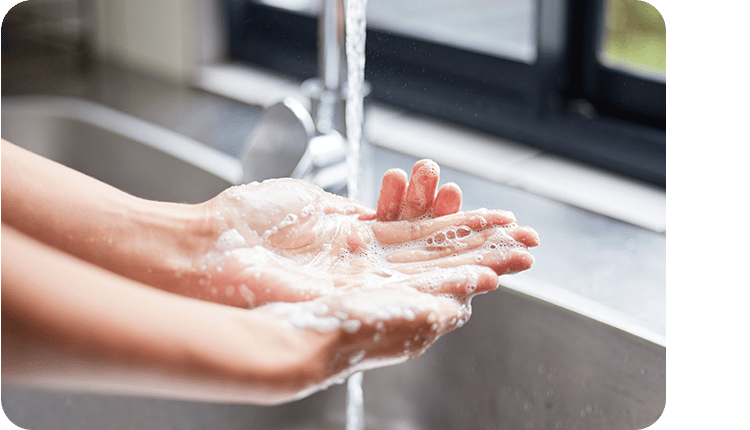
You can help reduce the risk of RSV by practicing good hygiene, such washing your hands, avoiding close contact with sick people and cleaning surfaces to help stop the spread. But there may be more you can do.
Speak to your Terry White Pharmacist about RSV prevention.
Stay One Step Ahead of RSV
RSV is on the rise in Australia, with a record 175,914 cases in 2024, compared to 128,123 cases in 2023.⁵


You can help reduce the risk of RSV by practicing good hygiene, such washing your hands, avoiding close contact with sick people and cleaning surfaces to help stop the spread.
But there may be more you can do—Speak to your Terry White Pharmacist about RSV prevention.