






Osteoarthritis: Fast Facts


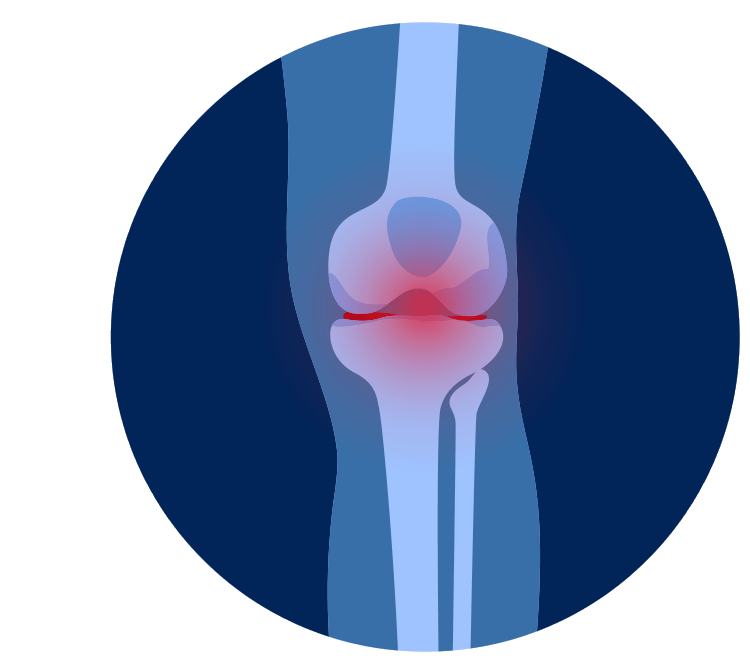
Osteoarthritis is the joint pain resulting from the breakdown of cushioning cartilage between bones. It is the most common form of arthritis in Australia, affecting around 2.1 million people.

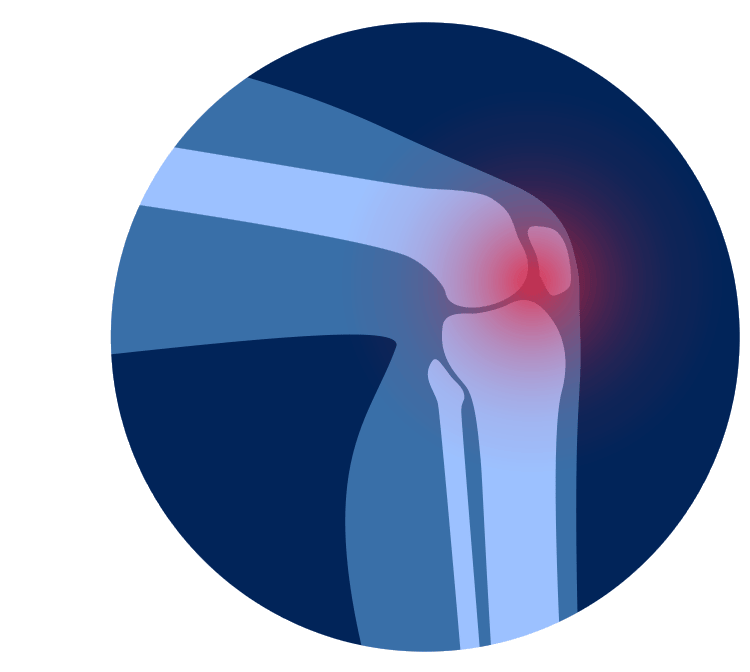
More than 70% of people living with osteoarthritis are older than 55 years, and 60% are female. It primarily affects the knees, followed by the hips and hands.

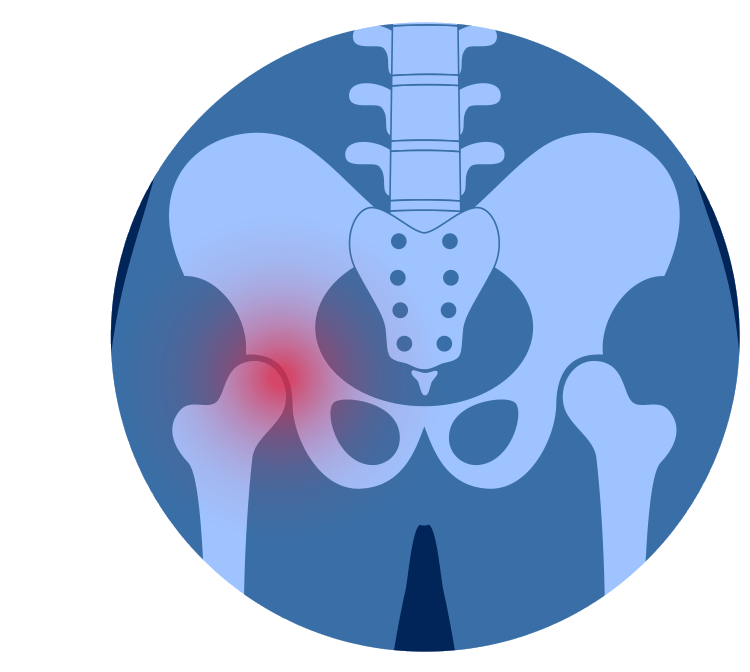
Osteoarthritis was the cause of over 50,000 knee replacements and 35,000 hip replacements in Australia in 2021-2022.

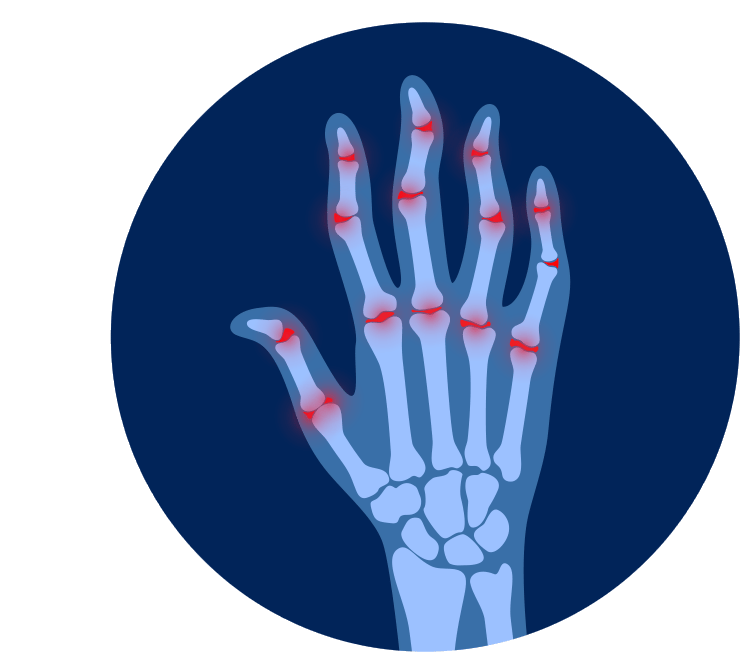
As well as age and gender, other risk factors include obesity, repeated stress on the joints through work or other activities, and injury.

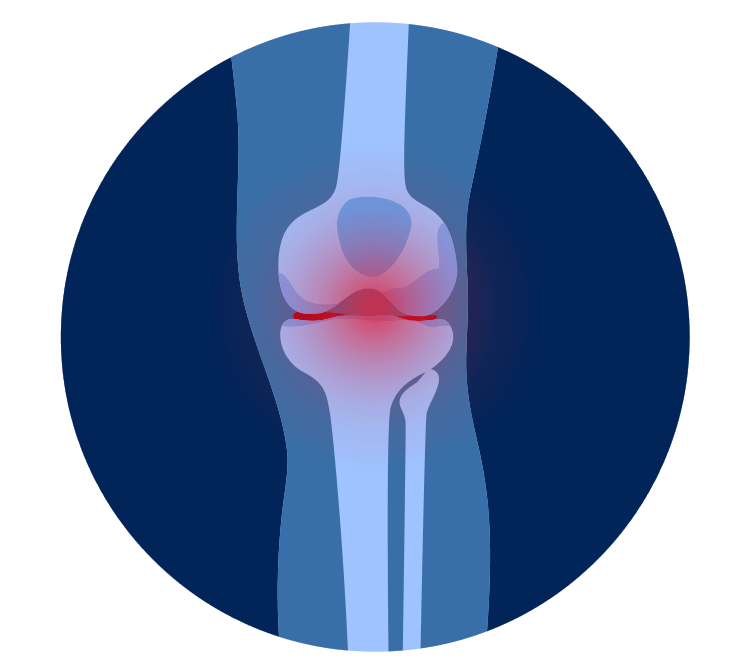
Osteoarthritis is the joint pain resulting from the breakdown of cushioning cartilage between bones. It is the most common form of arthritis in Australia, affecting around 2.1 million people.

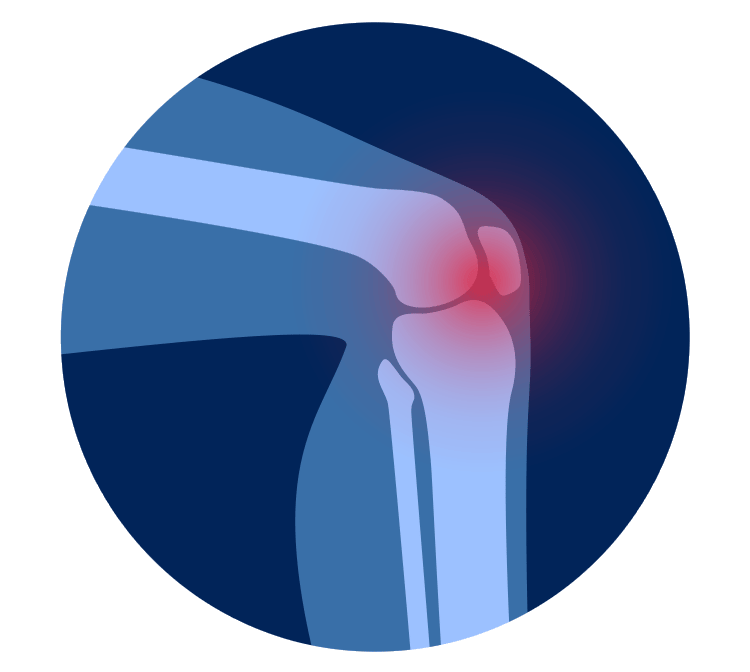
More than 70% of people living with osteoarthritis are older than 55 years, and 60% are female. It primarily affects the knees, followed by the hips and hands.

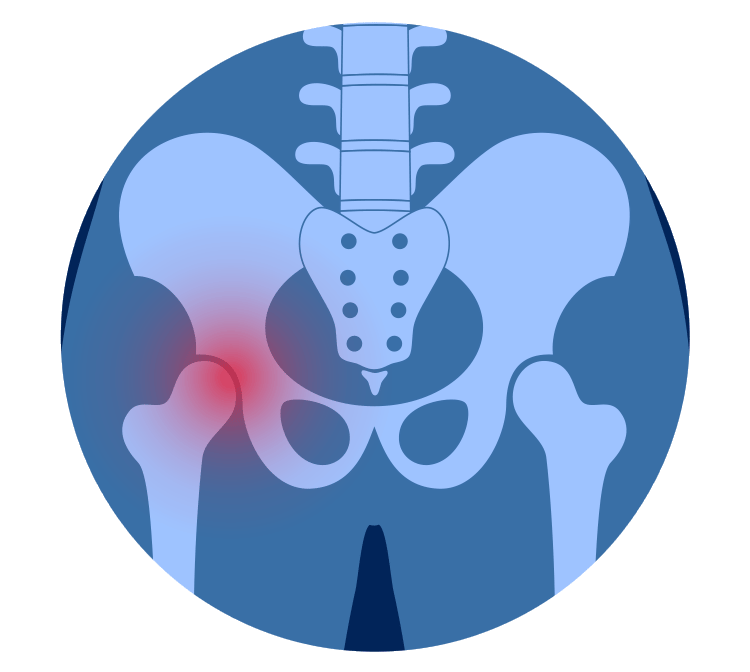
Osteoarthritis was the cause of over 50,000 knee replacements and 35,000 hip replacements in Australia in 2021-2022.

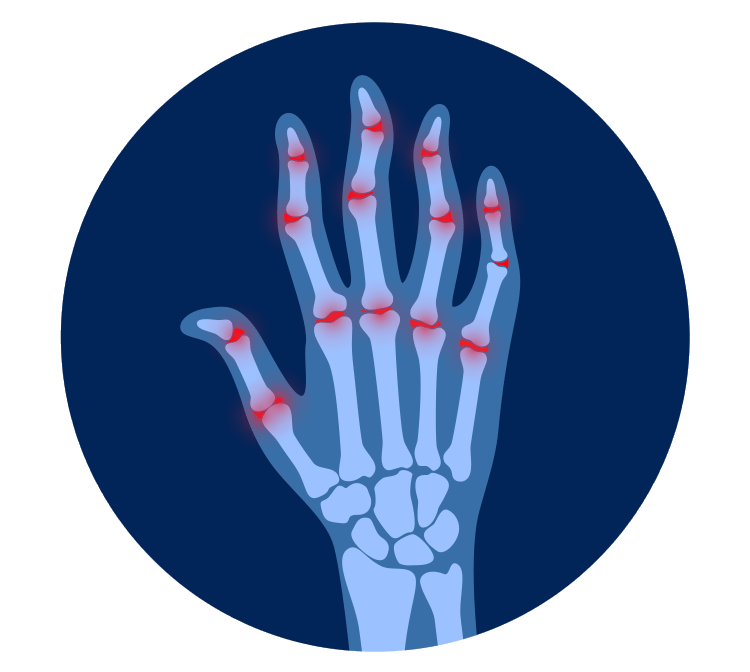
As well as age and gender, other risk factors include obesity, repeated stress on the joints through work or other activities, and injury.

How to boost your bone health to reduce your risk of osteoarthritis
Improving bone health can significantly reduce your risk of osteoarthritis. Here are three ways to maintain strong bones:
Calcium
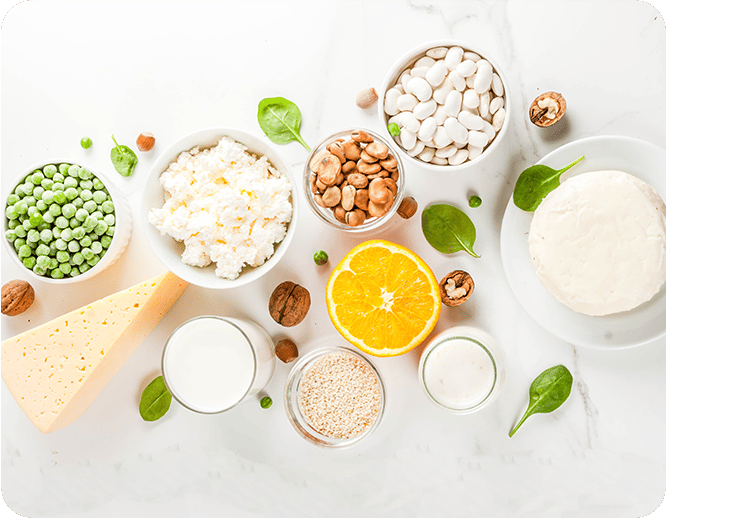
Food sources? Choose calcium-rich foods like dairy, leafy greens, tofu and almonds. If your diet is insufficient, ask your Pharmacist if fortified foods are a necessary addition.
How much? Aim for 1000-1300 mg of calcium daily, adjusting based on age and gender.
How to boost your bone health to reduce your risk of osteoarthritis
Improving bone health can significantly reduce your risk of osteoarthritis. Here are three ways to maintain strong bones:
Calcium
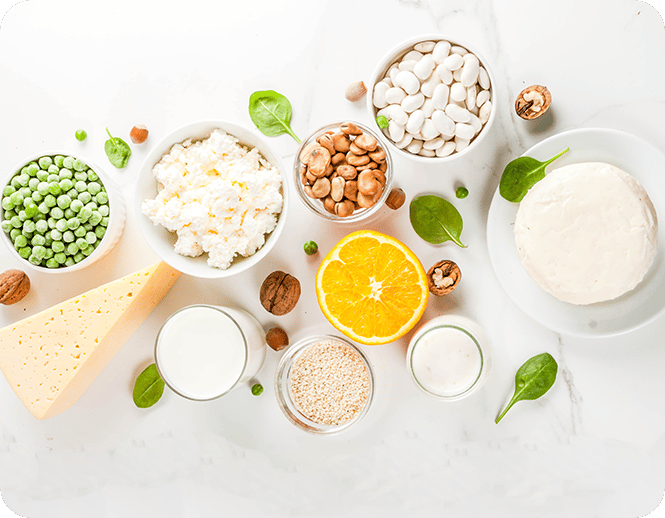
Food sources? Choose calcium-rich foods like dairy, leafy greens, tofu and almonds. If your diet is insufficient, ask your Pharmacist if fortified foods are a necessary addition.

How much? Aim for 1000-1300 mg of calcium daily, adjusting based on age and gender.
Vitamin D
How can I get it? Eat foods like fatty fish, egg yolks and mushroom. Consider fortified foods, vitamin D testing and supplementation if recommended.
Curious about your Vitamin D levels? Ask your Pharmacist about a vitamin D testing kit.
And sunlight? In most parts of Australia, a few minutes of incidental sun exposure is enough in summer. Always use sun protection when the UV index is 3 or above.


Vitamin D
How can I get it? Eat foods like fatty fish, egg yolks and mushroom. Consider fortified foods, vitamin D testing and supplementation if recommended.
Curious about your Vitamin D levels? Ask your Pharmacist about a vitamin D testing kit.


And sunlight? In most parts of Australia, a few minutes of incidental sun exposure is enough in summer. Always use sun protection when the UV index is 3 or above.


Exercise
What kind? Combine weight-bearing activities (jogging, dancing, stair walking, netball, tennis) with resistance exercise (bands, hand and ankle weights).
Hate exercising? Here are 30 things to try.
How much? Aim for at least 30 minutes of moderate intensity exercise most days.
Exercise
What kind? Combine weight-bearing activities (jogging, dancing, stair walking, netball, tennis) with resistance exercise (bands, hand and ankle weights).
Hate exercising? Here are 30 things to try.


How much? Aim for at least 30 minutes of moderate intensity exercise most days.
Ask your Pharmacist about osteoarthritis treatment
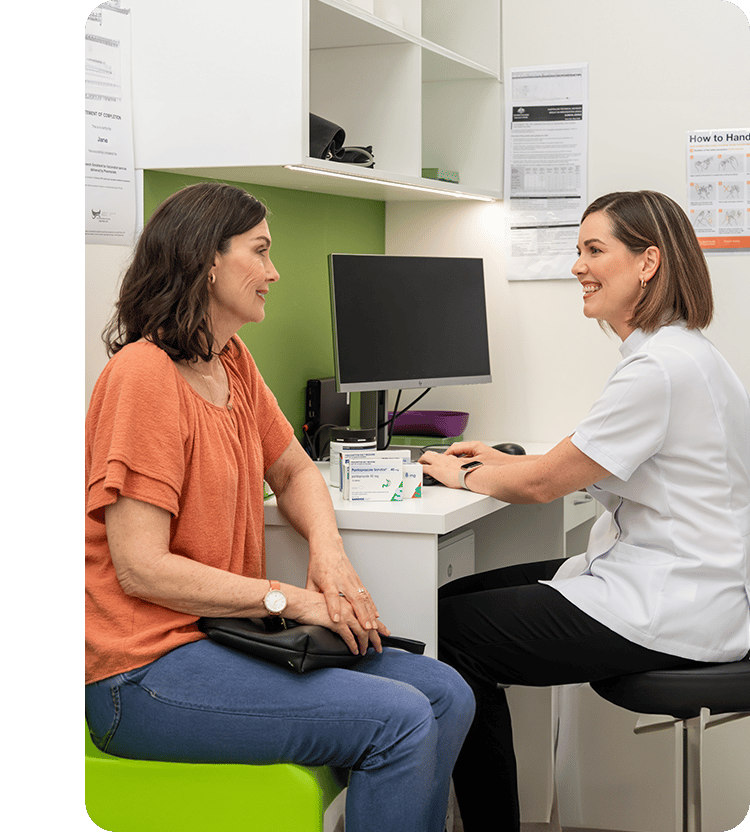
If you are experiencing pain and inflammation around the joints, you are not expected to simply solider on. Leaving pain unchecked can lead to chronic issues over time. Talk to your Pharmacist about treating your pain with a combination of treatment options.
Your Pharmacist may recommend incorporating some of these techniques into your pain management plan:
• Over-the-counter medications to target and reduce pain, like topical and oral anti-inflammatories to help with swelling, or topical gels and creams applied locally for pain relief
• Braces, straps and tape to help stabilise and support the joint
• TENS (Transcutaneous Electrical Nerve Stimulation), which may result in a pain-relieving response¹
• Hot and cold packs to help reduce pain and swelling
Find out more about osteoarthritis symptoms and treatment

Ask your Pharmacist about osteoarthritis treatment
If you are experiencing pain and inflammation around the joints, you are not expected to simply solider on. Leaving pain unchecked can lead to chronic issues over time.
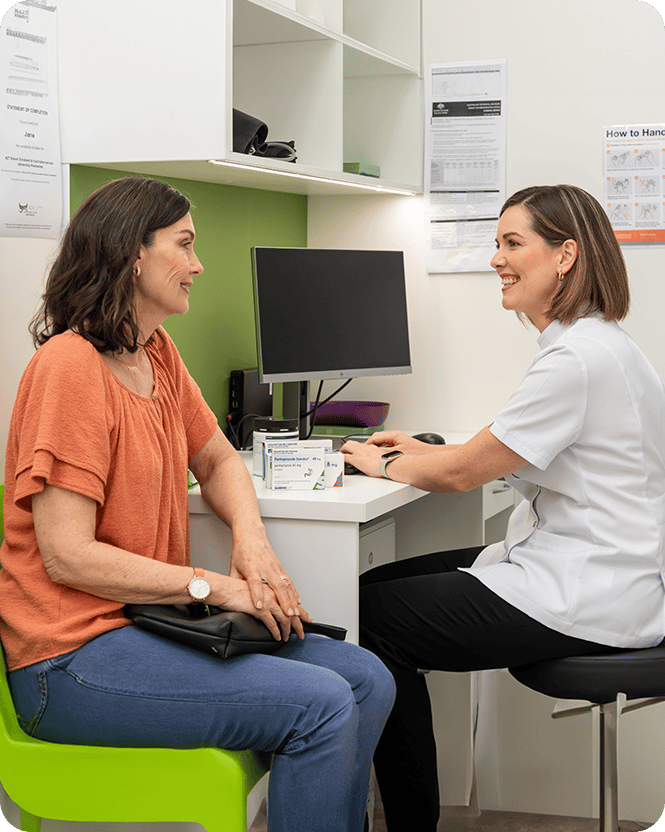
Talk to your Pharmacist about treating your pain with a combination of treatment options.

Your Pharmacist may recommend incorporating some of these techniques into your pain management plan:
• Over-the-counter medications to target and reduce pain, like topical and oral anti-inflammatories to help with swelling, or topical gels and creams applied locally for pain relief
• Braces, straps and tape to help stabilise and support the joint
• TENS (Transcutaneous Electrical Nerve Stimulation), which may result in a pain-relieving response¹
• Hot and cold packs to help reduce pain and swelling
Find out more about osteoarthritis symptoms and treatment