






Minimise allergens in your home with these tips

If you suffer from hay fever, you’ll know that symptoms are annoying at best, though the sneezing, itchiness and running nose and eyes can make daily life very difficult in more severe cases. Hay fever is very common, affecting around 20% of adults, 10% of teens1 and up to 30% of children2. But that doesn’t mean it should be suffered gladly.
Why do I have hay fever?
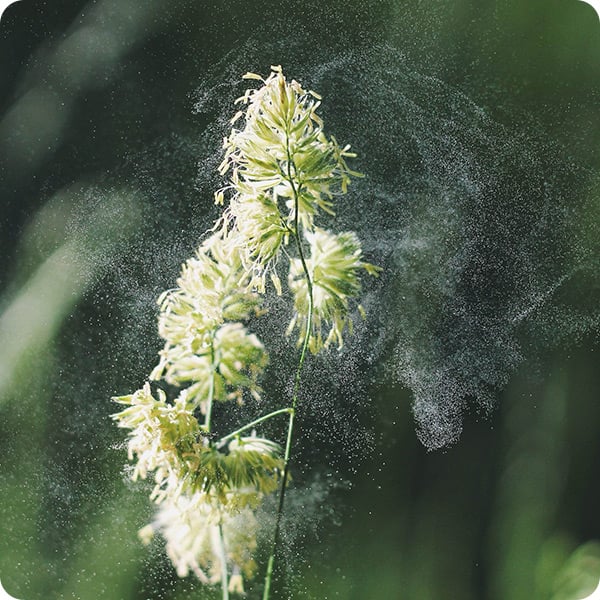
The first step to minimising your symptoms is identifying their cause. Does your hay fever peak with seasonal changes around springtime? If so, pollen is likely to blame. On the other hand, if your symptoms occur year around, you have perennial hay fever, which is associated with an allergic reaction to dust mites, mould or other allergen.3 The good news is there are steps you can take at home to find relief. Below, we’ve taken you on a tour of your home, to identify actions you can take in each room of the house.4
Tips to minimise exposure to pollen

Mobile phones
- Make a habit of checking the pollen count online or on an app – then when it’s high, try to stay indoors
Living Room
- Close the windows on high pollen count days
- Reconsider your flower arrangements (here’s a reason bees like flowers – they are full of pollen! – so and swap out fresh flowers for greenery and indoor plants)
- Wipe surfaces and vacuum floors and sofas regularly to avoid build-up of allergens
Bathroom
- Have a scrub after spending time outdoors (this will help remove excess pollen from your skin and hair)
Laundry
- Check the pollen count before hanging out your washing or use a clothes airer or tumble dryer to dry clothing and bedding indoors (this is because hanging items outside on high pollen count days means you potentially bring that pollen back indoors)
Car
- Use re-circulated air in the car when pollen levels are high


Mobile phones
- Make a habit of checking the pollen count online or on an app – then when it’s high, try to stay indoors
Living Room
- Close the windows on high pollen count days
- Reconsider your flower arrangements (here’s a reason bees like flowers – they are full of pollen! – so and swap out fresh flowers for greenery and indoor plants)
- Wipe surfaces and vacuum floors and sofas regularly to avoid build-up of allergens
Bathroom
- Have a scrub after spending time outdoors (this will help remove excess pollen from your skin and hair)
Laundry
- Check the pollen count before hanging out your washing or use a clothes airer or tumble dryer to dry clothing and bedding indoors (this is because hanging items outside on high pollen count days means you potentially bring that pollen back indoors)
Car
- Use re-circulated air in the car when pollen levels are high
Tips to minimise exposure to dust mites

Bedroom
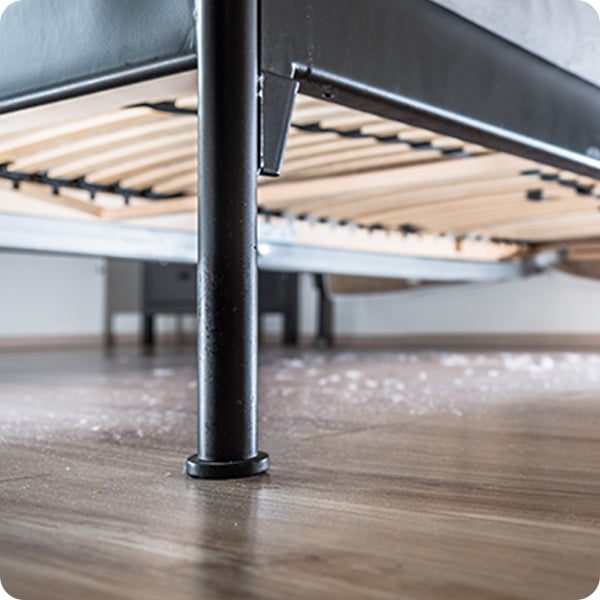
- Take care of your bedding in order to kill dust mites and wash away the allergens produced. You can:
- Wash bedding in hot water (over 60oC) each week
- Wash in cold water with a product designed to kill dust mites (this will likely contain tea tree or eucalyptus oil)
- Wash in cold water then tumble dry on hot for a further 10 minutes - Use dust mite resistant bed covers
- Remove soft toys from bedroom. If you cannot replace them with wood/plastic alternatives, wash them with eucalyptus oil and place overnight in the freezer to kill dust mites and remove allergens
Living room
- Consider replacing cloth sofas for leather or vinyl alternatives (they are easier to wipe clean). Vacuum sofas weekly if this is not possible
- Dust with a damp or electrostatic cloth
Floors
- If able, replace carpets with an alternative that can be easily mopped clean (think tiles, wood). This is because it’s very difficult to completely vacuum all allergens
- If you cannot replace carpets, vacuum weekly (ideally, delegate this to a non-allergy sufferer, as dust mites will be stirred up initially while vacuuming)
Windows
- Open windows where possible (ventilation helps decrease humidity, which can help decrease levels of dust mites)
- If able, consider replacing curtains for blinds (they are easier to wipe clean)

Bedroom
- Take care of your bedding in order to kill dust mites and wash away the allergens produced. You can:
- Wash bedding in hot water (over 60oC) each week
- Wash in cold water with a product designed to kill dust mites (this will likely contain tea tree or eucalyptus oil)
- Wash in cold water then tumble dry on hot for a further 10 minutes - Use dust mite resistant bed covers
- Remove soft toys from bedroom. If you cannot replace them with wood/plastic alternatives, wash them with eucalyptus oil and place overnight in the freezer to kill dust mites and remove allergens
Living room
- Consider replacing cloth sofas for leather or vinyl alternatives (they are easier to wipe clean). Vacuum sofas weekly if this is not possible
- Dust with a damp or electrostatic cloth
Floors
- If able, replace carpets with an alternative that can be easily mopped clean (think tiles, wood). This is because it’s very difficult to completely vacuum all allergens
- If you cannot replace carpets, vacuum weekly (ideally, delegate this to a non-allergy sufferer, as dust mites will be stirred up initially while vacuuming)
Windows
- Open windows where possible (ventilation helps decrease humidity, which can help decrease levels of dust mites)
- If able, consider replacing curtains for blinds (they are easier to wipe clean)
Tips to minimise exposure to mould

Garden
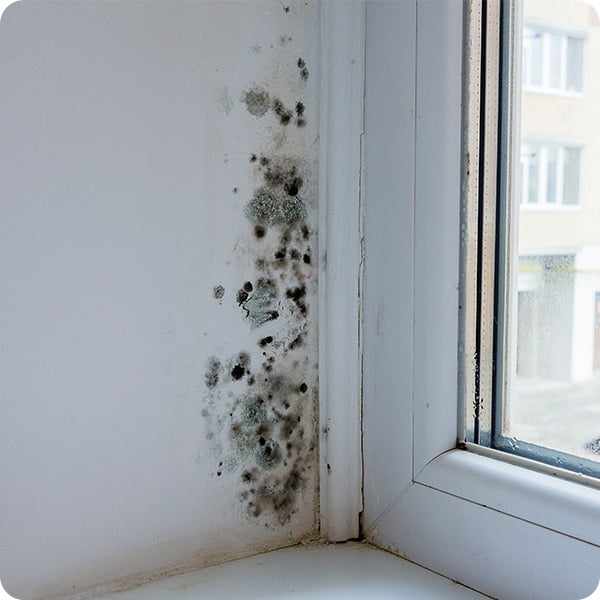
- Mould thrives in damp environments, so regularly clean out overflowing gutters
- Delegate lawn mowing or gardening tasks involving compost and mulch
Living Room
- Remove indoor plants, as they can increase mould growth
Bedroom
- Clean regularly with bleach or other adequate cleaners
- Ventilate by opening windows and using extractor fans
- Fix any leaks or blocked floor vents
Kitchen and bedroom
- Look into refrigerator, ensuite, closets and cupboards and clean regularly with bleach (if the material allows) or other mould removing product

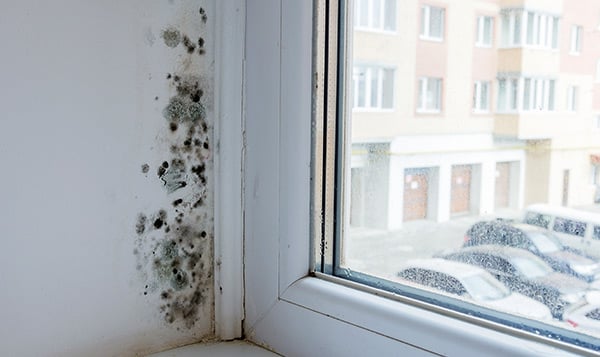
Garden
- Mould thrives in damp environments, so regularly clean out overflowing gutters
- Delegate lawn mowing or gardening tasks involving compost and mulch
Living Room
- Remove indoor plants, as they can increase mould growth
Bedroom
- Clean regularly with bleach or other adequate cleaners
- Ventilate by opening windows and using extractor fans
- Fix any leaks or blocked floor vents
Kitchen and bedroom
- Look into refrigerator, ensuite, closets and cupboards and clean regularly with bleach (if the material allows) or other mould removing product
Tip
Remember, the pollen count is usually higher in the mornings, evenings, after storms and when it's windy.
Remember
Don’t sweep allergies under the carpet! If ignored, hay fever can result in:5
- Sleep disturbance
- Fatigue
- Irritability
- Headaches
- Decreased concentration and focus
- Ear infections in children
- Sinus infections in adults
- Asthma