






How does diabetes affect the feet?

Taking good care of your feet is an important part of living with diabetes. High blood sugar levels can result in poor blood circulation to the feet, slowing down the healing process for wounds or sores, which can lead to ulcers and potentially serious infections.
Diabetes can also cause nerve damage in your feet, making it difficult to feel pain, meaning minor injuries like cuts or blisters can go unnoticed and potentially develop into serious infections.
Some other common foot conditions linked to diabetes include:
Cracked Skin
Diabetes can cause dry skin, leading to cracks that can become entry points for infections. Keeping the skin moisturised is crucial to prevent this.
Fungal Infections
Conditions like athlete's foot (tinea pedis) and fungal nail infections are more common in people with diabetes. Athlete's foot causes itching, redness, and cracking, while fungal nail infections can make nails thick, discoloured, and brittle.
Calluses
These are caused by an uneven distribution of weight and can lead to ulcers if not properly managed.
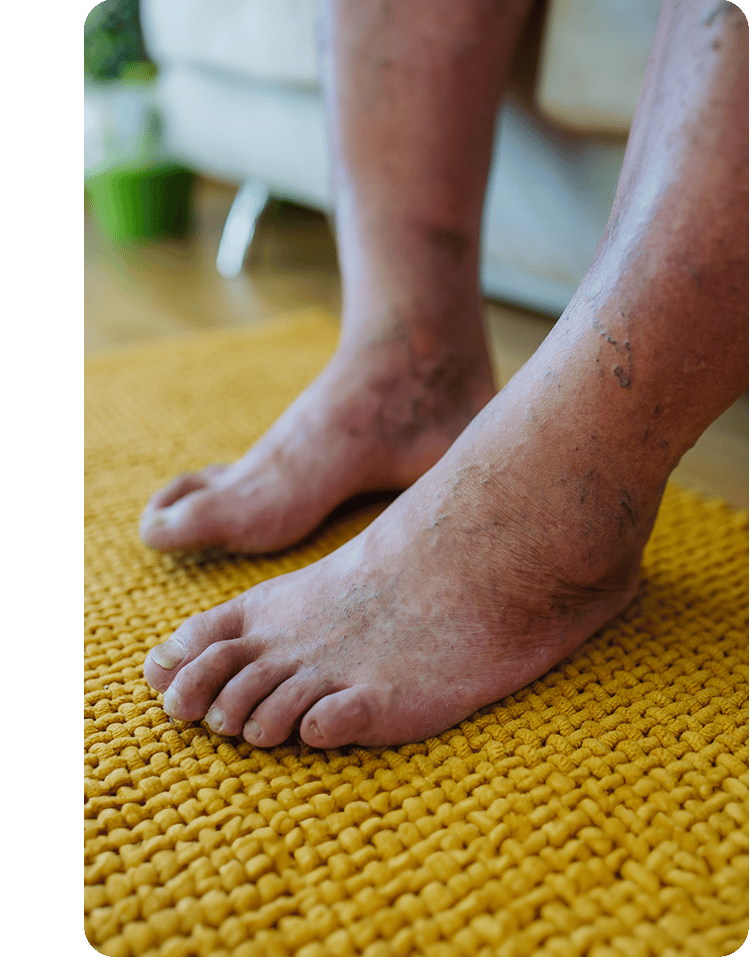
Taking good care of your feet is an important part of living with diabetes. High blood sugar levels can result in poor blood circulation to the feet, slowing down the healing process for wounds or sores, which can lead to ulcers and potentially serious infections.
Diabetes can also cause nerve damage in your feet, making it difficult to feel pain, meaning minor injuries like cuts or blisters can go unnoticed and potentially develop into serious infections.
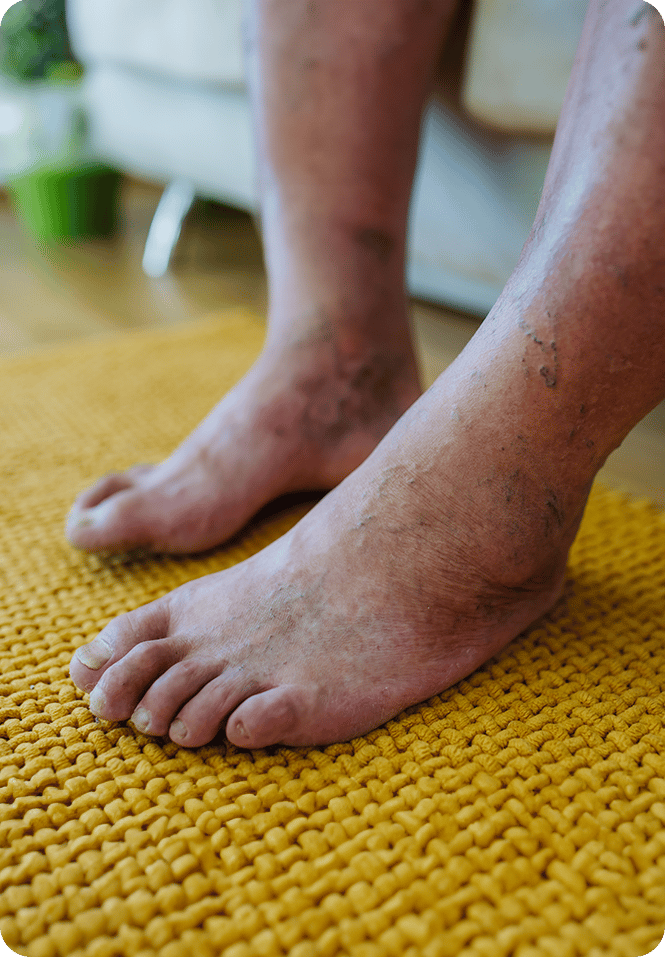
Some other common foot conditions linked to diabetes include:
Cracked Skin
Diabetes can cause dry skin, leading to cracks that can become entry points for infections. Keeping the skin moisturised is crucial to prevent this.
Fungal Infections
Conditions like athlete's foot (tinea pedis) and fungal nail infections are more common in people with diabetes.
Athlete's foot causes itching, redness, and cracking, while fungal nail infections can make nails thick, discoloured, and brittle.
Calluses
These are caused by an uneven distribution of weight and can lead to ulcers if not properly managed.
Managing diabetic foot conditions
These practical tips can help you maintain healthy feet and prevent complications:
Daily foot inspection
Make it a habit to check your feet every day for cuts, blisters, redness, or swelling. Use a mirror if needed to see the bottoms of your feet, or see a podiatrist for guidance.
Wash and moisturise
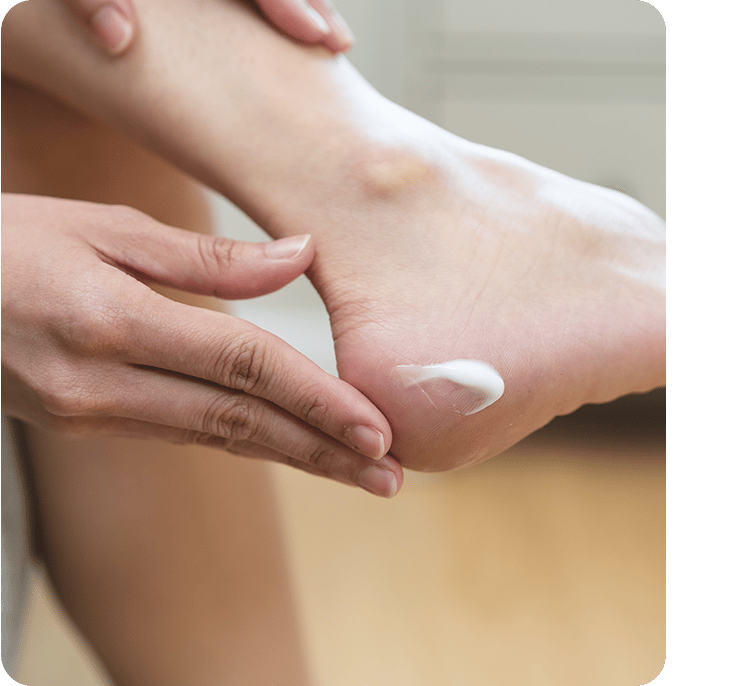
Wash your feet daily with mild soap and warm water. Dry them thoroughly, especially between the toes, and apply a moisturiser to prevent dry skin and cracks. Avoid applying moisturiser between the toes to prevent fungal infections.
Proper footwear
Wear well-fitting shoes and socks to protect your feet from injuries. Avoid walking barefoot, even at home, to reduce the risk of cuts and infections.
Managing diabetic foot conditions
These practical tips can help you maintain healthy feet and prevent complications:
Daily foot inspection
Make it a habit to check your feet every day for cuts, blisters, redness, or swelling. Use a mirror if needed to see the bottoms of your feet, or see a podiatrist for guidance.
Wash and moisturise
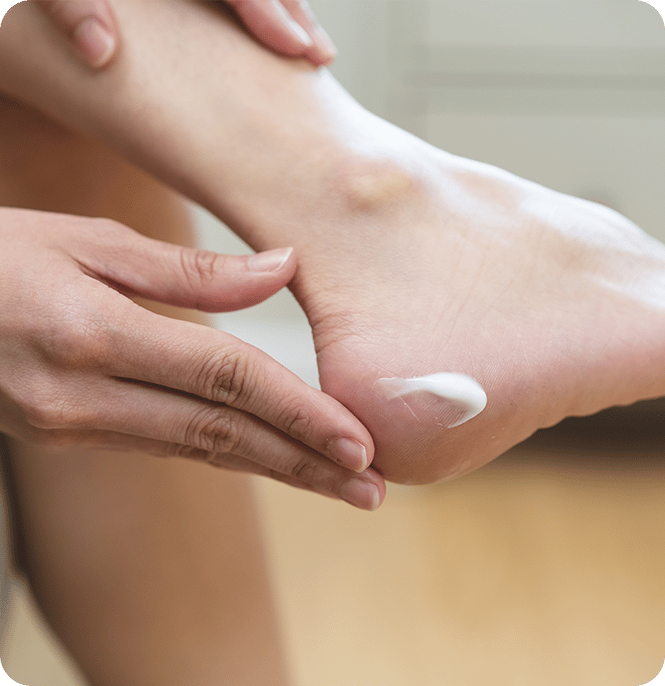
Wash your feet daily with mild soap and warm water. Dry them thoroughly, especially between the toes, and apply a moisturiser to prevent dry skin and cracks.
Avoid applying moisturiser between the toes to prevent fungal infections.
Proper footwear
Wear well-fitting shoes and socks to protect your feet from injuries. Avoid walking barefoot, even at home, to reduce the risk of cuts and infections.
Trim nails carefully
Trim your toenails straight across and file the edges to prevent ingrown toenails. If you have difficulty doing this, consider seeing a podiatrist.
Manage blood sugar
Keeping your blood sugar levels under control is crucial to reduce the risk of nerve damage and poor circulation.
Regular check-ups
Visit your healthcare provider regularly for foot exams and to address any issues promptly. Early detection and treatment can prevent serious complications.
By following these guidelines and using appropriate products like foot files, blister plasters, antifungal creams, and warts treatments, you can better manage your foot health and prevent serious complications. Remember, taking proactive steps today can make a significant difference in your overall well-being.
Trim nails carefully
Trim your toenails straight across and file the edges to prevent ingrown toenails. If you have difficulty doing this, consider seeing a podiatrist.
Manage blood sugar
Keeping your blood sugar levels under control is crucial to reduce the risk of nerve damage and poor circulation.
Regular check-ups
Visit your healthcare provider regularly for foot exams and to address any issues promptly. Early detection and treatment can prevent serious complications.
By following these guidelines and using appropriate products like foot files, blister plasters, antifungal creams, and warts treatments, you can better manage your foot health and prevent serious complications.
Remember, taking proactive steps today can make a significant difference in your overall well-being.