




Chloe Maxwell-Smith on the value of community pharmacists


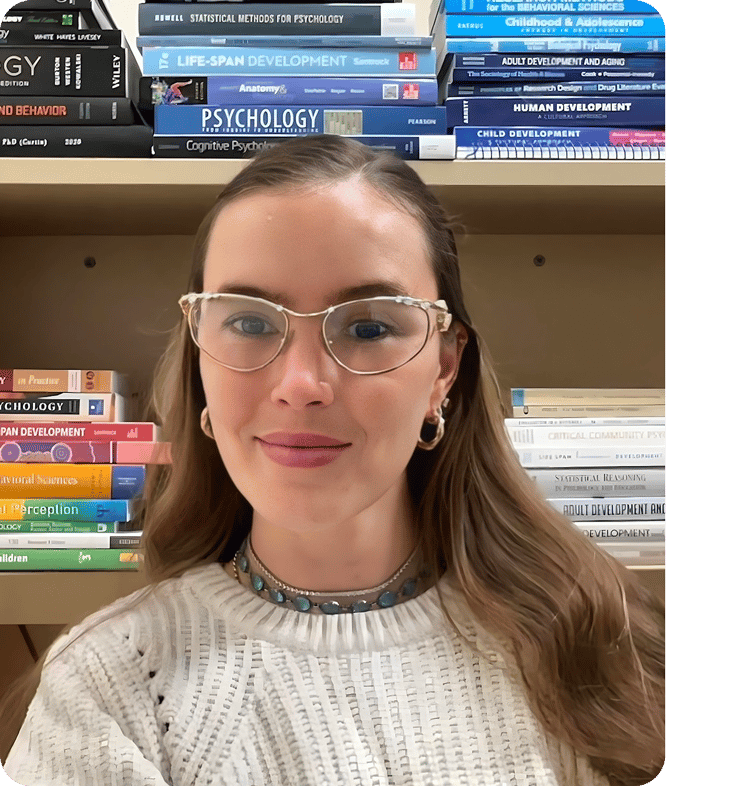
Dr Chloe Maxwell-Smith, Senior Lecturer in the School of Population Health
at Curtin University, says community pharmacists are uniquely positioned
to offer trusted health advice.
What does the term ‘community pharmacist’ mean from your perspective?
It’s a health professional within a local community who really understands the needs of that community. Most people interact with their pharmacist more than their GP or other health professionals.
They’ll have a regular community pharmacy they always go to – someone down the road they can have a short interaction with when they’re picking up medication or buying off the shelf. Those interactions are really important because they give pharmacists a more complete understanding of someone’s health.
That can lead to a bigger conversation and spark positive outcomes that don’t happen in a more transaction-focused environment.
What sort of outcomes?
Well we know that a lot of people are living with significant behavioural risk factors for disease, like physical inactivity, unhealthy diet, excessive alcohol usage etc.
Behavioural medicine is about looking at opportunities to intervene to modify those behaviours and prevent detrimental health outcomes later. And when we talk about ‘intervention’, it doesn’t have to be a big overhaul necessarily – it can just be small changes sparked by those brief conversations with healthcare professionals you trust.
We’ve found community pharmacists have a lot of skills in this area which can sometimes be underutilised when people treat a pharmacy as just somewhere to go in and pick up a script or a specific product.
What does the term ‘community pharmacist’ mean from your perspective?
It’s a health professional within a local community who really understands the needs of that community. Most people interact with their pharmacist more than their GP or other health professionals.
They’ll have a regular community pharmacy they always go to – someone down the road they can have a short interaction with when they’re picking up medication or buying off the shelf.
Those interactions are really important because they give pharmacists a more complete understanding of someone’s health.
That can lead to a bigger conversation and spark positive outcomes that don’t happen in a more transaction-focused environment.

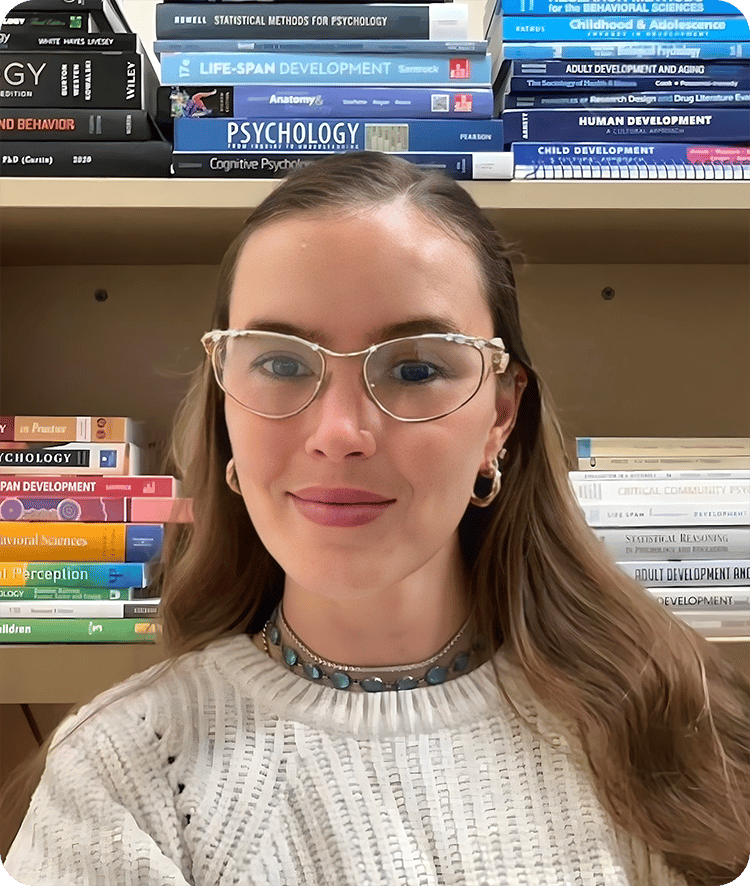
Dr Chloe Maxwell-Smith, Senior Lecturer in the School of Population Health at Curtin University, says community pharmacists are uniquely positioned to offer trusted health advice.
What sort of outcomes?
Well we know that a lot of people are living with significant behavioural risk factors for disease, like physical inactivity, unhealthy diet, excessive alcohol usage etc.
Behavioural medicine is about looking at opportunities to intervene to modify those behaviours and prevent detrimental health outcomes later. And when we talk about ‘intervention’, it doesn’t have to be a big overhaul necessarily – it can just be small changes sparked by those brief conversations with healthcare professionals you trust.
We’ve found community pharmacists have a lot of skills in this area which can sometimes be underutilised when people treat a pharmacy as just somewhere to go in and pick up a script or a specific product.
How do pharmacists complement other healthcare professionals?
A multidisciplinary team is definitely best, but getting in to see a GP can be hard for some people, particularly in rural areas. That’s where accessibility is the big advantage of a community pharmacist – being able to have those spontaneous conversations without always booking an appointment.
And by building that familiarity and keeping them fully informed, they can recommend when you might need to see a GP or a specialist. It’s all about starting the conversation.
What would you say to people who might not be aware of what their pharmacist can offer?
To really take advantage of that trusted, accessible healthcare professional in your community. They have great oversight of everything you’re managing, and can join dots you may not know are there. Just have an open mind when you visit.
Say if you’re picking up a script, you might be wondering if you should change your diet while on that medication or not drink alcohol with it – make sure you ask. You never know where the conversation could lead.


How do pharmacists complement other healthcare professionals?
A multidisciplinary team is definitely best, but getting in to see a GP can be hard for some people, particularly in rural areas.
That’s where accessibility is the big advantage of a community pharmacist – being able to have those spontaneous conversations without always booking an appointment.
And by building that familiarity and keeping them fully informed, they can recommend when you might need to see a GP or a specialist.
It’s all about starting the conversation.


What would you say to people who might not be aware of what their pharmacist can offer?
To really take advantage of that trusted, accessible healthcare professional in your community.
They have great oversight of everything you’re managing, and can join dots you may not know are there. Just have an open mind when you visit.
Say if you’re picking up a script, you might be wondering if you should change your diet while on that medication or not drink alcohol with it – make sure you ask. You never know where the conversation could lead.