




Bring your B-game this spring

While it may seem like a complete alphabet soup of vitamins out there, in fact there are 13 vitamins in total - eight of which are the B-group of vitamins. But what are they for and can you get away without eating them? The short answers are “so much” and “no.” But let’s delve into it a bit further, shall we?
What are B-group vitamins for?
The B-group of eight vitamins is responsible for helping the body use nutrients to make fuel. Without them, we lack energy and oomph to get through life! They are: B1, B2, B3, B5, B6, B7, B9 and B12, each with a proper name that sounds like a superhero. And if you think about it, they are.
What about the “other” B vitamins?
Previously, there were four other B-group vitamins: vitamins B4, B8, B10 and B11. However, they are no longer included in the group, as they don’t meet the officially requirements: essentially, to be required for normal growth though unable to be synthesised by the body itself.
Let’s meet the B list
B1 – thiamin
- Helps the body break down glucose into energy
- Involved in healthy nerve function
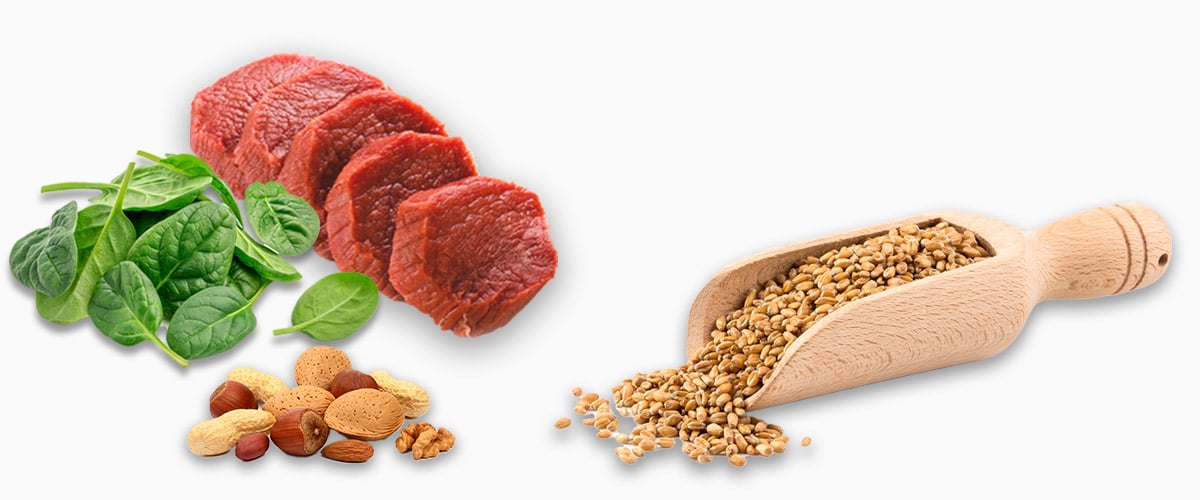
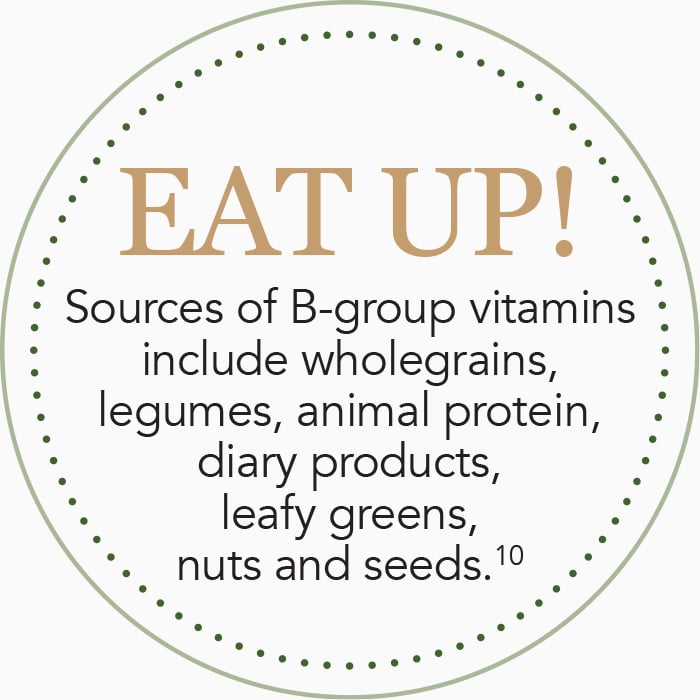
Find it in yeast, cereal, whole grains, legumes, nuts, seeds, pork, and peas. In Australia, white and wholemeal flour is fortified with thiamin.
B2 – riboflavin
- Helps in the production of energy and red blood cells
- Assists in the proper function of some enzymes
- Associated with healthy skin, nails and hair
Find it in milk, yogurt, cottage cheese, eggs, yeast, meat and green, leafy veggies.
B3 – niacin
- Assists in breaking down carbohydrates, fats and alcohol into energy
- Associated with skin, nerve and digestive system health
- It May help lower blood cholesterol
Find it in milk, eggs, whole grains, nuts, mushrooms and any food containing protein.
B5 – pantothenic acid
- Assists in breaking down carbohydrates, fats, protein and alcohol into energy
- Helps in the production of red blood cells
Find it in many plant and animal foods, including meat, eggs, yeast, peanuts and legumes.
B6 – pyridoxine
- Associated with skin and nerve health
- Involved in brain development and immune function
- Helps in the production of red blood cells
Find it in legumes, nuts, meat, poultry, fish, shellfish, eggs, fruit and green, leafy veggies.
B7 – biotin
- Needed to metabolise energy and synthesise fats
- May be linked to healthy skin, nails and hair
Find it in chicken, cauliflower, mushrooms, peanuts, and yeast.
B9 – folate
- Helps in the production of red blood cells and protection of the nervous system
- Essential in the development of the fetal nervous system
Find it in green, leafy veggies, seeds, legumes, eggs, cereals and citrus.
B12 – cyanocobalamin
- Works closely with folate to function correctly
- Needed to help maintain mental ability, red blood cell formation
- Helps in energy production, in the breaking down of some amino acids
Find it in almost anything of animal origin. Vegans can be at risk of deficiency and can choose foods fortified with B12 or supplementation. Speak to your doctor for more advice.